
Livraison le jour même ou le lendemain

Qualité garantie

Débloquez vos offres de bienvenue: Livraison GRATUITE | Jusqu'à -80 % | 30 jours d'essai gratuits à JoyPlus
Téléchargez l'application
Between promises of softness, tempting fragrances and claims of “natural” or “sensitive skin”, it’s not always easy to compare body care and hygiene products. A formula that feels lovely to use might not suit dry skin, while a large family-size bottle could contain fragranced ingredients that some people prefer to avoid.
Here are the key factors to consider before you buy, along with a selection of products suited to different needs in the UK.
A heavily fragranced shower gel – especially one with fruity or exotic notes – can make washing feel more enjoyable. For reactive skin, though, it’s wise to check the INCI list carefully for the presence of perfume and fragrance allergens. Terms like “hydrating” or “nourishing” indicate the product’s intended purpose, but they don’t guarantee the same level of tolerance for everyone.
A sulfate-free shower gel can be a good choice for those looking for a particular cleansing base. However, this single claim isn’t enough to judge the whole formula. You should also check for perfume, preservatives, glycerin, plant oils or botanical extracts. Conversely, a shower oil or cleansing cream may contain other cleansing agents that are worth identifying.
A 1-litre bottle can be practical for a family, provided it’s used regularly and not left in storage for too long. Compare the price per litre, the number of users and how much you actually need in the shower. For occasional use, a 200–300 ml size is often easier to carry and store.
The INCI list lets you compare formulas on a concrete basis. For a body moisturiser or a nourishing body lotion, look out for glycerin, shea butter, plant oils or certain emollients. These ingredients tell you about the composition, without being a medical promise.
For a superfatted soap, check the oils and butters used, as well as any added fragrance. Delicate skin may prefer a short, lightly fragranced formula. Organic body products can contain essential oils or naturally occurring allergens – “organic” doesn’t automatically mean “irritation-free”.
Cosmetics sold in the European Union must display their ingredient list, usage precautions, batch number and, where applicable, the period after opening. Before buying, also check the recommended age, the size and storage conditions.
For sensitive skin care and hygiene products intended for the whole family, do a patch test on a small area when the instructions recommend it. If you experience any discomfort or redness, stop using the product. A hair removal cream containing an alkaline agent and thioglycolic acid requires particular care: never exceed the stated time and do not use the product on areas not intended for it.
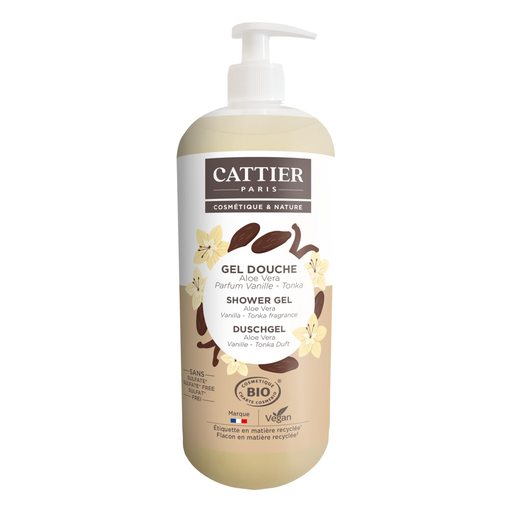
Why this choice suits this profile: With its 1-litre pump bottle, this shower gel is ideal for households looking for a product to share and wanting to easily compare the cost per use.
The product page states a sulfate-free and soap-free formula. However, the vanilla-tonka fragrance is still something to consider for those sensitive to scents.
1 L size, practical pump, 97 % naturally derived ingredients according to the product page, certified organic and vegan formula.
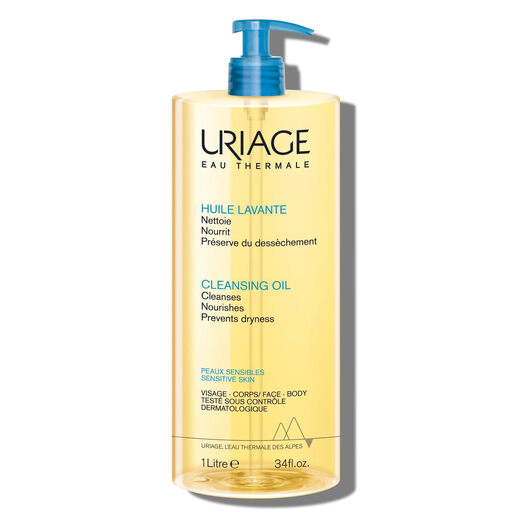
Why this choice suits this profile: Its gel-oil texture and generous size appeal to those who prioritise a comfortable sensory experience in the shower.
The INCI list shows that this oil contains Sodium Laureth Sulfate – so the name “oil” doesn’t mean “sulfate-free”.
1 L size, soap-free base as stated on the product page, contains glycerin and Uriage thermal water according to the product information.
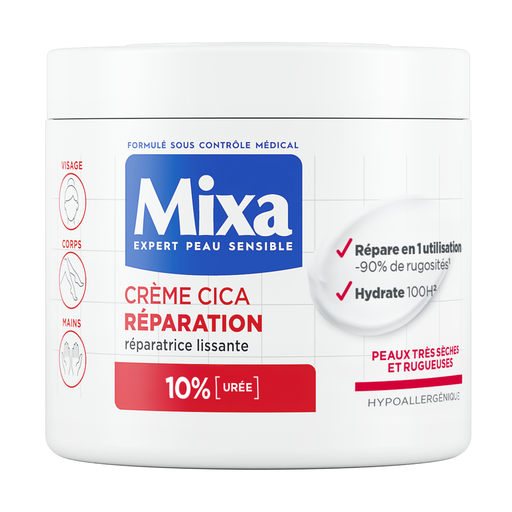
Why this choice suits this profile: This cream is designed for a targeted routine for dry or rough areas, rather than a simple cleansing routine.
The product page clearly mentions the presence of urea and niacinamide. Still, check the INCI list and consider the presence of fragrance before use.
400 ml size, described as a lightweight texture, contains glycerin, shea butter and sunflower oil in the formula.
We’ve put together a complete, real-time selection of products that meet these exacting standards, in line with European safety regulations.
For family hygiene products, pump bottles reduce handling and make sharing easier. A 2-in-1 body and hair product, like the Cattier Family range, can also cut down on the number of bottles in the bathroom. For a baby, choose a product with a clearly stated age of use and always use it under adult supervision.
A nourishing body lotion is typically applied after showering, on clean, dry skin. Body scrubs should be used only occasionally. As for aerosol deodorant, keep it away from any heat source and apply it to dry skin.
Start by choosing a formula that suits your needs: soap-free shower gel, shower oil or a cleansing product containing emollients. Check the INCI list, any added fragrance and the usage precautions. After washing, a body moisturiser or nourishing lotion can complete your routine.
Refer to the open-jar symbol and the time stated on the packaging. Close bottles carefully, store them away from heat and throw away any product whose smell, colour or texture has changed.
Read the instructions before each use, do the recommended patch test and stick to the intended area. Never exceed the application time, do not apply the cream to irritated or broken skin, and rinse thoroughly after removal.