
Livraison le jour même ou le lendemain

Qualité garantie

Débloquez vos offres de bienvenue: Livraison GRATUITE | Jusqu'à -80 % | 30 jours d'essai gratuits à JoyPlus
Téléchargez l'application
Skin that feels tight after a shower, rough legs, dryness-related itching or irritation after hair removal: your body care needs can vary considerably depending on your skin type and daily routine. Yet packaging often focuses on fragrance, an immediately softer feel or the promise of long-lasting hydration, without always highlighting the most useful information.
Before choosing a body moisturiser, a cream for dry skin or a shower gel, a few simple checks can help you avoid buying products that are not right for you.
A vanilla, floral or fruity fragrance can make a product more enjoyable to use, but it says nothing about whether it is suitable for sensitive skin. The ingredients list may include fragrance substances such as limonene, linalool or geraniol. If your skin reacts easily, it is best to choose a fragrance-free formula or test it first on a small area.
This indication should be considered alongside the INCI list, as well as the presence of fragrance, cleansing agents and moisturising ingredients. A product marketed as gentle may still contain ingredients that are not suitable for every skin type. Claims such as ‘hypoallergenic’ and ‘dermatologically tested’ do not eliminate the risk of an individual reaction.
A small tube may seem economical, but prove impractical for daily application over the whole body. Conversely, a large bottle is only worthwhile if its texture, fragrance and tolerance genuinely suit your routine. For a family, a 750 ml or one-litre shower gel with a pump can reduce the need for constant replacements.
Each category corresponds to a specific step in your routine:
An exfoliator does not replace a moisturiser. Likewise, depilatory cream should never be applied to irritated or recently sensitised skin.
Glycerine, shea butter, panthenol and plant oils are frequently used in products designed for dry skin. A body lotion with urea can help treat rough areas, but its concentration and conditions of use should be checked on the packaging.
For cleansing products, check whether the formula contains soap, sulphates or milder cleansing agents. A sulphate-free shower gel may be useful if you want to reduce the feeling of dryness, but this feature is not an absolute guarantee of tolerance.
Consider the volume, pump type and ease of rinsing. For specialist products, the instructions for use take priority over every other consideration:
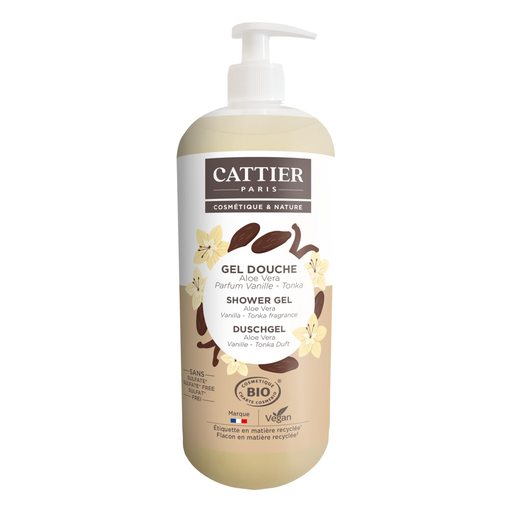
Why this choice suits this profile : With its one-litre pump bottle, this shower gel is well suited to daily use by the whole family. The formula, advertised as free from sulphates and soap, contains aloe vera from organic farming.
The large size means you do not need to repurchase the product too often, while the ingredients make it possible to identify the cleansing agents and fragrance substances precisely.
1 000 ml size, convenient pump, sulphate- and soap-free formula, 97% naturally derived ingredients according to the product information.
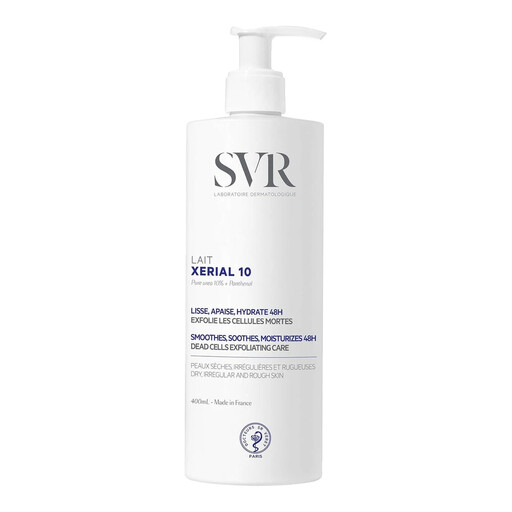
Why this choice suits this profile : This lotion combines 10% urea with glycerine, shea butter and panthenol. It is suitable for anyone looking for a targeted routine for dry to very dry skin.
The urea concentration is clearly stated, allowing you to compare formulas on a concrete basis rather than relying solely on the promise of intense hydration.
400 ml, applied once or twice a day according to the product information, with a texture described as light and non-greasy.
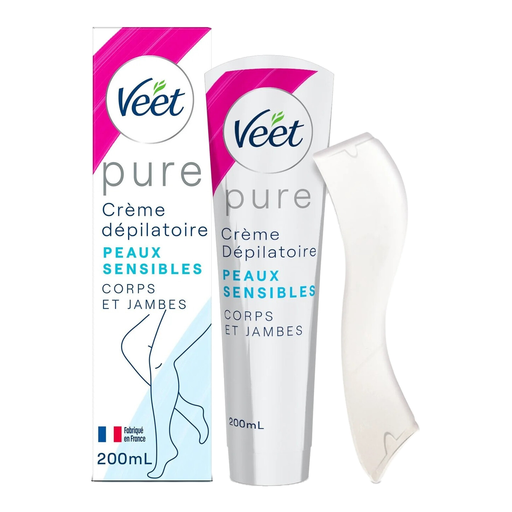
Why this choice suits this profile : Its 200 ml size is suitable for regular use on the legs, arms, underarms and bikini area, exclusively on the areas permitted in the instructions.
The instructions specify the test to carry out on a small area, the maximum application time and the parts of the body to avoid. These instructions must be followed before every use.
200 ml size, spatula included according to the product information, designed for use on several areas of the body and on sensitive skin.
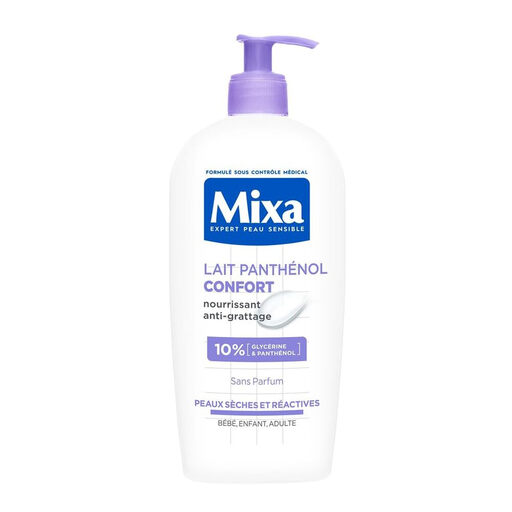
Why this choice suits this profile : Its fragrance-free formula contains panthenol, glycerine, petroleum jelly and shea butter. It has been designed for very dry or sensitive skin that is prone to feelings of discomfort.
The absence of fragrance in the listed ingredients makes it easier for anyone who wants to limit fragrance substances in their routine to compare products.
Rich texture described as non-greasy, with panthenol and shea butter, for daily application after washing.
We have brought together a complete, real-time updated selection of products that meet these exacting criteria and European safety standards.
Start by cleansing your skin with a suitable product, then pat it dry rather than rubbing. Next, apply your moisturising milk or cream to clean skin. Use an exfoliator separately, once or twice a week depending on your skin’s tolerance. For hair removal, the skin must be intact and all the instructions must be followed.
A body milk is generally more fluid and spreads quickly over large areas. A cream is usually thicker, making it more suitable for very dry areas or targeted application. The right choice depends on the texture you prefer, the season and how consistently you use it.
Refer to the date or period of use stated on the packaging. Close the bottle carefully, store it away from heat and direct sunlight, and dispose of the product if its smell, colour or texture changes.