Hosts planning one bar per viewer
If everyone should be able to grab a bar without cutting it up or using plates, count the individually wrapped bars rather than looking only at the weight shown on the pack.


To give each guest a cereal bar, start by counting the individually wrapped bars: a pack of six is enough if it covers your group, while a pack of ten gives you more portions to offer. BN biscuits can add variety, but they don’t automatically replace portions of cereal bars. Check the ingredients and allergens for each recipe too.
If everyone should be able to grab a bar without cutting it up or using plates, count the individually wrapped bars rather than looking only at the weight shown on the pack.
To offer a recipe that suits your group’s dietary requirements, check the ingredients and allergens for each product, especially for bars containing nuts.
First work out how many bars you’ll have available, then choose recipes and portion sizes to suit your guests.
| Criteria | What to check | Who is it for? |
|---|---|---|
| Number of portions | Count the bars or individually wrapped portions, then compare the total with the number of guests. | If everyone should be able to take a bar during the match, running short makes sharing tricky. Around 50% of consumers put the number of portions first. |
| Ingredients and allergens | Read the ingredients list and check which allergens are highlighted for each recipe. | If you don’t know your guests’ dietary requirements, you need to be able to rule out unsuitable recipes. Around 30% of consumers would make this their top priority. |
| Recipe and bar size | Compare the weight of each bar and the nutritional information per portion, where provided. | When choosing between a small cereal bar and a different recipe with a larger portion, some consumers first look at what each bar contains. Around 20% would make this their main criterion. |
A pack of six bars and a pack of ten won’t serve the same number of people. Even when the packs contain the same number of bars, the weight of each one can vary.
Before putting together your selection, check the number of bars, the weight of each one and the number of guests separately.
Depending on the product, the Kellogg’s recipes mentioned here contain allergens such as peanuts, tree nuts, milk or soya. The DGCCRF reminds consumers that allergens in the ingredients must be highlighted on the label.
Check the packaging for the recipe you’ve chosen and keep it handy for guests during the evening.
A name such as “Protein” or “Less Sugar” doesn’t tell you everything about what’s in a bar. Nutritional values may also be given per 100 g rather than per portion.
Compare the ingredients and nutritional information on the same basis, taking the weight of the bar you’ll be serving into account.
BN offers ranges including Goûters Fourrés, Mini BN and Casse-Croûte biscuits. Their format means you can’t count them one for one as bars for your group.
If you’re serving them during the match, treat them as a separate biscuit category in your selection.
The range mentioned includes a nut bar and a Special K Protein variety.
The products mentioned include packs of six Classic’ bars and packs of four Sensation bars.
The products mentioned include packs of six Crousty bars and bars called Less Sugar.
The Eco+ products mentioned include recipes packed as six bars, weighing 126 g in total.
BN offers ranges including Goûters Fourrés, Mini BN and Casse-Croûte biscuits.
This selection includes a cereal bar and other types of individually wrapped bars. Choose according to the number of guests and the recipes you’d like to serve during the evening.
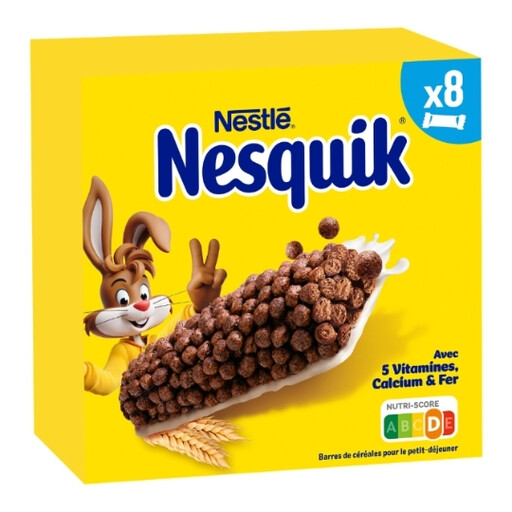 Image unavailable
If you want to serve cereal bars without cutting them up, this pack contains eight individually wrapped bars, each weighing 25 g. The product information lists wheat containing gluten and milk, and says it may contain traces of nuts. Check the packaging if this affects any of your guests.
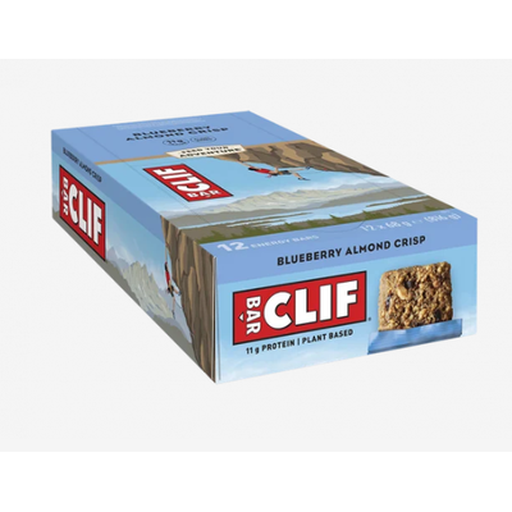 Image unavailable
If you’d like to offer individually wrapped 68 g bars rather than a small, classic cereal bar, this pack contains twelve. The description lists 11 g of protein and 5 g of fibre per bar. Check the packaging for allergen information, particularly for soya, barley, almonds, wheat and milk.
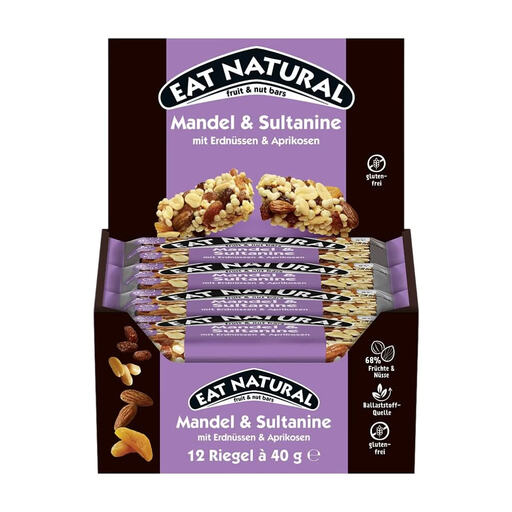 Image unavailable
If you’d like to offer a fruit and nut bar in individually wrapped portions, this box contains twelve 40 g bars. The listed ingredients include raisins, peanuts, almonds and apricots. Check the packaging before serving them to guests with allergies.
One individually wrapped bar per person is a good starting point for working out portions. Adjust this depending on what else you’re serving and how much of a focus you want the bars to be. Check the number of bars in the pack: the sizes mentioned include packs of six or ten.
Read the ingredients list on the packaging for the specific recipe. In France, the DGCCRF says allergens in the ingredients must be highlighted on the label. Keep the pack so guests can check it for themselves.
No. Its protein content alone doesn’t tell you about allergens or other ingredients. According to Kellogg’s, Special K Protein Coconut & Cashew contains 5.9 g of protein per 28 g portion. Check the ingredients for the product you’ve chosen before serving it.