
Livraison le jour même ou le lendemain

Qualité garantie

Débloquez vos offres de bienvenue: Livraison GRATUITE | Jusqu'à -80 % | 30 jours d'essai gratuits à JoyPlus
Téléchargez l'application
Whether you’re commuting, working from home or travelling, Bluetooth noise-cancelling headphones can make listening far more comfortable. However, it can be difficult to distinguish between active noise cancellation, passive isolation, stated battery life and call quality. Some technical specifications can be confusing, potentially leaving shoppers paying for a feature that is not suited to their environment.
Before choosing ANC headphones or Bluetooth earbuds, take the time to identify your needs for leisure, work and DIY tasks. Here are the key criteria to consider, the mistakes to avoid and a selection organised by user profile.
Active noise cancellation, or ANC, uses microphones and electronic processing to reduce certain ambient sounds. It is particularly effective against continuous noise, such as the engine of a train or aeroplane. However, it does not automatically turn headphones into personal protective equipment.
For DIY, sanding, drilling or noisy professional environments, look instead for suitable markings and a standard such as EN 352-1. 3M PELTOR hearing protectors, for example, state an SNR value that indicates sound attenuation under the conditions specified by the manufacturer.
Listening volume, ANC, calls and temperature all affect battery life. Headphones advertised as lasting 50 or 66 hours may therefore run for significantly less when noise cancellation is enabled. To compare models accurately, look for two figures where possible: battery life without ANC and battery life with ANC.
Fast charging can also make a real difference in everyday use. Some headphones promise several hours of listening after just a few minutes of charging, but the cable or mains charger is not always included.
Headphones that feel comfortable for half an hour can become heavy after several hours. Check their weight, the pressure exerted by the headband, the material used for the ear cushions and the fit: circumaural headphones surround the ear, while supra-aural models sit directly on it.
In-ear earbuds are more discreet, but their fit and isolation depend heavily on the shape of your ears. For calls, also check the number of microphones and voice noise-reduction features: these have nothing to do with ANC, which is used to improve listening.
A product listing may highlight noise reduction of 35, 44 or 49 dB. On their own, these figures cannot predict comfort in every situation. Performance varies depending on the frequency of the noise, the position of the headphones and how well the ear cushions seal.
Quiet, transparency and ambient modes let external sounds through. They are useful for hearing an announcement at a station or having a conversation without taking off your headphones. However, remain alert near traffic, machinery or anywhere else where you need to stay aware of your surroundings.
For professional use, choose battery life that suits your working days and, where possible, a wired connection as a backup. Bluetooth multipoint lets you connect two devices, such as a computer and a smartphone, then switch from a video conference to a phone call without pairing again.
A headset with a microphone may include voice-side noise reduction. This is a real advantage in a shared space, but the result also depends on the position of the microphones and the software used for calls.
Hearing protection intended for work must fully cover the ears and remain correctly fitted. The 3M PELTOR X2A states SNR of 31 dB, features a double-shell design and complies with EN 352-1:2020. Meanwhile, the 3M PELTOR Optime I has an SNR of 27 dB.
These products are not designed for listening to music over Bluetooth. They meet a different need: limiting exposure to noise in a safety context. Inspect the ear cushions before every use and replace them if they are cracked, hardened or no longer provide a good seal.
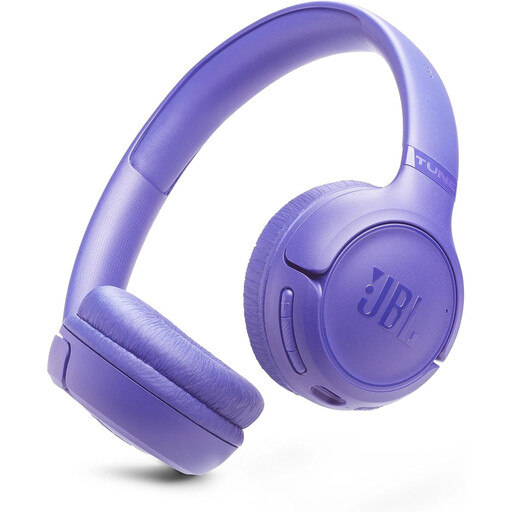
Why this choice suits this profile : Lightweight and foldable, these headphones are ideal for daily commutes, studying and listening to content from a smartphone or tablet.
The listing promises up to 76 hours of battery life and 5 hours of listening after just 5 minutes of charging. However, check the ANC testing conditions before comparing this figure with that of other models.
Bluetooth multipoint, two directional microphones, USB-C port and a stated weight of 154 g.
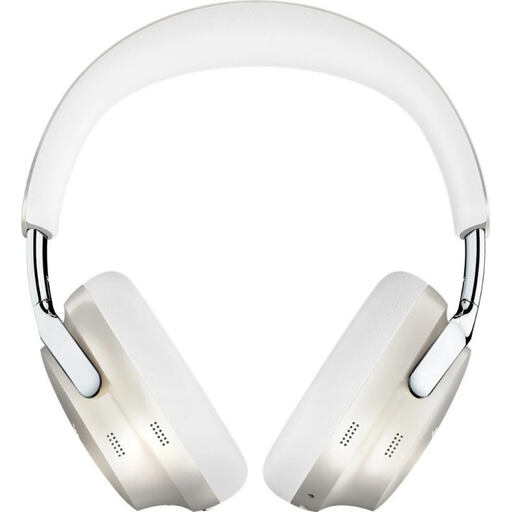
Why this choice suits this profile : These circumaural headphones are designed for those seeking an immersive music experience, outstanding comfort and advanced settings for travelling or working from home.
Quiet, Aware and Immersion modes let you adapt listening to the situation instead of keeping the same level of active noise cancellation on all the time.
Bluetooth 5.3, multipoint connection, 2.5 mm jack input, memory foam ear cushions and stated battery life of up to 24 hours.
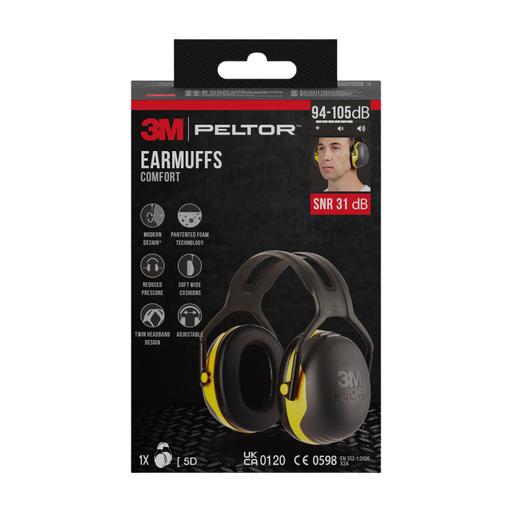
Why this choice suits this profile : It is designed for sanding, drilling, carpentry, masonry and gardening, where hearing protection must take priority over Bluetooth listening.
Its SNR of 31 dB and compliance with EN 352-1:2020 provide relevant data for assessing hearing protection. It should not be confused with consumer ANC headphones.
Wide ear cushions, a pressure-distributing headband, reusable design and stated compatibility with 3M glasses and respirators.
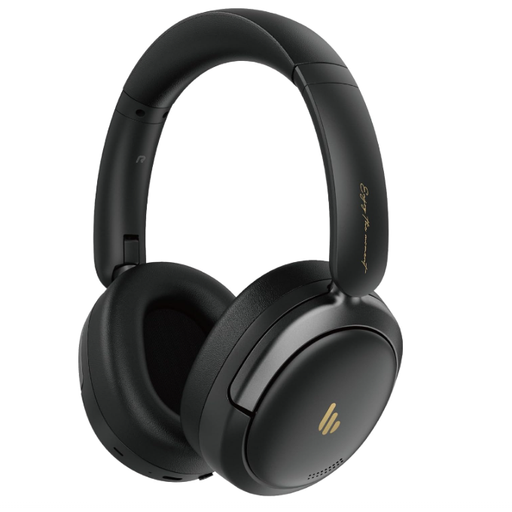
Why this choice suits this profile : Its foldable design, dual-device connection and built-in microphone make it easy to manage days filled with meetings, music and travel.
The listing distinguishes between hybrid active noise cancellation, advertised at up to 44 dB, and noise reduction applied to the microphone. The two uses are therefore clearly separated.
Bluetooth 5.4, stated battery life of 45 hours, dual connection and fast charging.
We’ve brought together a complete, real-time updated selection of products that meet these demanding criteria and European safety regulations.
Not necessarily. ANC is a listening feature and does not replace certified hearing protection. On a construction site or when using noisy tools, check the standard, markings and SNR value of the protector suited to the situation.
It depends on the condition of the battery, maintenance and wear to the ear cushions. Avoid moisture, clean the headphones with a dry cloth and recharge them according to the manufacturer’s recommendations. Replace them if the battery swells, becomes unusually hot or the structure is damaged.
Yes, particularly if you regularly switch between your computer and phone. This feature keeps two devices connected and avoids having to pair again each time you switch. However, check compatibility with your systems and how the headphones handle incoming calls.