
Livraison le jour même ou le lendemain

Qualité garantie

Débloquez vos offres de bienvenue: Livraison GRATUITE | Jusqu'à -80 % | 30 jours d'essai gratuits à JoyPlus
Téléchargez l'application
Whether you’re travelling, attending an international meeting, taking a language class or chatting with someone who speaks another language, Bluetooth earbuds with real-time translation promise to make communication easier. But not all models work independently, and some of the claims highlighted in adverts are worth looking at closely.
Before ordering AI translation earbuds, check three essentials: how the translation actually works, call quality and whether the stated protection rating suits the way you plan to use them. Here are the points to consider when choosing truly practical TWS wireless earbuds for everyday use in France.
The phrase ‘real-time translation’ doesn’t necessarily mean the earbuds translate conversations directly. With some models, they mainly work as an interface for an app installed on a smartphone or tablet. So check:
For example, the HTC NE20 and MINISO MS106 indicate that you can use a translation app after connecting via Bluetooth. The HTC NE20 product page lists 8 translation modes and translation in 135 languages. This is how the product is presented, so check which languages and features are actually available in the app before ordering.
Active noise cancellation (ANC) mainly reduces certain continuous background sounds, such as the rumble of a plane or underground train. It won’t eliminate every voice or sudden noise. Microphone technology also matters for calls: a model with several microphones and a call noise-reduction system may isolate your voice more effectively in a busy environment, although results will vary from one situation to another.
IPX4, IPX5, IP54, IP55 and IP57 ratings are not interchangeable. Splash resistance doesn’t mean you can rinse the earbuds under a tap. The case may also be less well protected than the earbuds themselves. For exercise or journeys in light rain, always check the protection rating for each component and dry the contacts before putting them back on charge.
For earbuds you’ll use for calls and travel, Bluetooth should provide a stable connection to your phone. Bluetooth 5.4 is more than adequate for many everyday uses, while some models claim Bluetooth 6.0 or later. However, the Bluetooth version alone isn’t enough to judge sound quality: your phone, compatible codecs and the app you use all play a part.
Touch controls or a touchscreen LED display can make it easier to access translation, volume and ANC modes. However, check what the case display actually shows: some models only indicate the battery level and connection status.
Compare these separately:
Battery life quoted with ANC switched off can differ significantly from what you get with active noise cancellation on. For a working day or a long journey, a case that can recharge the earbuds several times is a real advantage.
Terms such as Hi-Fi, ‘high definition’ and ‘3D sound’ describe features or listening modes, but they’re no substitute for checking the codecs and drivers. For calls, look for a built-in microphone with clearly documented specifications. When it comes to comfort, the weight of each earbud, whether it has a semi-in-ear or in-ear design, and how many ear tips are included are often more useful indicators than purely aesthetic claims.
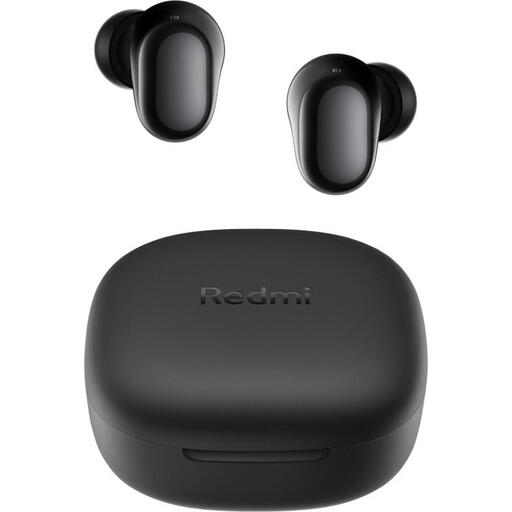
Why this is a good match for this type of user : This pair is a good first wireless option if you want to listen to music, follow lessons or make calls with a compatible phone.
The product details distinguish between the earbuds’ stated battery life of 7.5 hours and the stated total battery life of 36 hours with the case. The IPX4 rating applies to the earbuds only, not the case.
Bluetooth 5.4, 10 mm dynamic drivers, USB-C charging and a stated weight of 3.6 g per earbud.
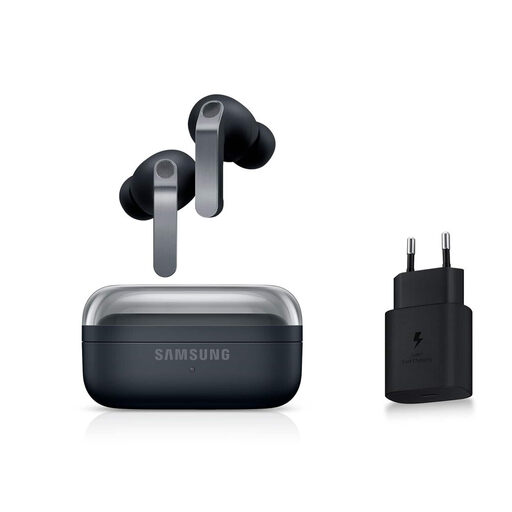
Why this is a good match for this type of user : This model is for users who prioritise sound quality, calls and integration with the Galaxy ecosystem.
The product details list adaptive ANC, microphones and IP57 resistance separately. The latter shouldn’t be taken to mean the earbuds are suitable for prolonged immersion.
Dual speakers, Samsung Seamless codec stated to support up to 24 bits/96 kHz, adaptive ANC and six microphones.

Why this is a good match for this type of user : The product details recommend it for travel, the office, studying and calls, with translation available through a compatible app.
The product details explain that translation works through an app after you connect via Bluetooth. It’s therefore best to check your phone’s compatibility and the languages available before buying.
Bluetooth 6.0, adaptive hybrid ANC stated to reach up to -50 dB, six microphones, a colour touchscreen and IPX5 resistance.
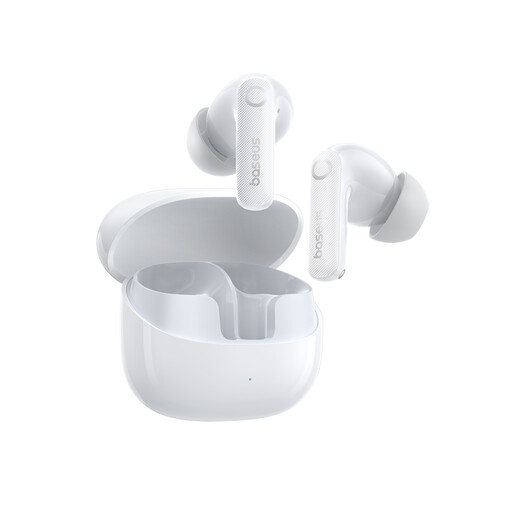
Why this is a good match for this type of user : This model is well suited to daily commutes, long listening sessions and calls in noisy environments.
The product details distinguish between ANC, ENC for calls and IP55 resistance. This rating covers splashes and dust, not full immersion.
Bluetooth 6.0 listed, LDAC codec stated, six microphones, USB-C and total battery life stated to reach up to 55 hours.
We’ve put together a comprehensive, regularly updated selection of products that meet these demanding selection criteria and European safety standards.
To help preserve the battery, avoid excessive heat, knocks and unsuitable chargers. Listening at high volume for long periods can also damage your hearing, so turn the volume down and take regular breaks.
Not always. Many AI translation earbuds rely on a phone and a dedicated app. Check compatibility, available languages and connection requirements before buying.
It depends on the battery, the number of charging cycles, whether you use ANC and how the earbuds are stored. Stated battery life shouldn’t be confused with the product’s overall lifespan. The earbuds and their case may also wear out at different rates.
An IPX5 rating generally means limited resistance to water jets under the conditions set out in the standard. It doesn’t mean the earbuds can be submerged. Check the case’s protection rating too, as it’s often different, and let everything dry before recharging.