
Livraison le jour même ou le lendemain

Qualité garantie

Débloquez vos offres de bienvenue: Livraison GRATUITE | Jusqu'à -80 % | 30 jours d'essai gratuits à JoyPlus
Téléchargez l'application
Bluetooth wireless earbuds have become a staple of our commutes, remote working days, calls and workouts. But a product page full of promises doesn't always guarantee a purchase that suits your habits. Stated battery life, noise cancellation or water resistance – these details are worth examining with a critical eye.
A claim like "36 or 42 hours" usually includes the top-ups provided by the charging case. The actual battery life of the earbuds alone is often significantly shorter. So, make sure to check separately:
A model boasting long battery life can be handy on the go, provided its case remains easy to carry and recharge.
IP ratings are not all the same. IP54 generally protects against a limited amount of dust and water splashes, while a rating like IP57 offers superior resistance under certain specific conditions. That does not mean the earbuds can be used for swimming.
For sports earbuds, check the exact rating, the limits set by the manufacturer, and whether the charging port must remain perfectly dry. Even water-resistant earbuds should be rinsed and dried according to the instructions, without unnecessary exposure to hot water or soap.
Active noise cancellation earbuds, also known as ANC earbuds, use microphones and electronic processing to reduce certain ambient sounds. Their effectiveness depends on the type of sound, the fit in your ear and the environment.
Low, continuous noises, like those from a train or plane, are generally reduced better than voices, horns or irregular sounds. On the street, Transparency mode may be more suitable. Avoid driving or crossing a road with isolation that reduces your awareness of your surroundings.
In-ear earbuds often offer a good fit and effective passive isolation, but their ear tips need to suit the shape of your ears. A model that is too tight quickly becomes uncomfortable during prolonged listening. Semi-in-ear and open designs let in more ambient sound, which can be welcome in the office or on public transport.
For sport, consider the stability of the fit, the weight and resistance to sweat. A hook-style or bone conduction system meets different needs to a standard pair, especially when awareness of your surroundings remains a priority.
Bluetooth 5.3 or Bluetooth 5.4 indicates a generation of connection, but it is not enough to predict call quality in all environments. Check the number of built-in microphones, the stated range and compatibility with your phone.
Most earbuds compatible with iPhone and Android work with both systems for listening and calls. Some advanced features, such as in-depth customisation, translation or automatic switching between multiple devices, may however depend on the operating system and the associated app.
A compact charging case makes it easy to carry, but its dimensions and USB-C connector are worth checking. For calls, look for multiple microphones, background noise reduction mentioned in the spec sheet and easy-to-reach controls. None of these elements guarantee a perfectly clear voice in a very noisy environment: microphone placement and wind remain decisive factors.
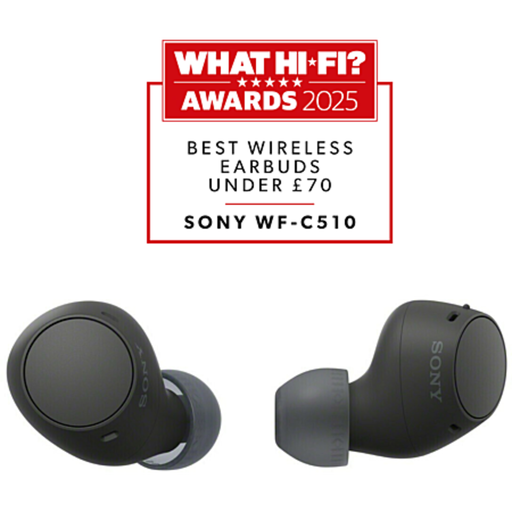
Why this choice suits this profile: This TWS model is designed for everyday use: music, calls and light exercise. Its stated weight is 31 g and its Bluetooth range can reach 10 m.
The spec sheet states the intended use, weight, quick charging and the inclusion of the case. This allows you to compare concrete data rather than relying on a vague battery life promise.
The spec sheet mentions Bluetooth, a built-in microphone, a charging case and ear tips in multiple sizes.

Why this choice suits this profile: This model is aimed at Apple users looking for ANC earbuds, touch controls and MagSafe wireless charging.
The IP57 rating and intended use are stated, with a warning against submersion. The spec sheet also distinguishes the case from the earbuds.
Active noise cancellation, built-in microphone, MagSafe-compatible case and four pairs of silicone ear tips are mentioned.

Why this choice suits this profile: The open bone conduction design targets running, cycling, swimming and activities where staying aware of your surroundings is useful.
The 32 GB of internal storage allows you to play MP3 files without a phone. The IPX8 rating is stated, but the charging port must remain dry.
Built-in storage, Bluetooth, open design and a stated battery life of around 8 to 10 hours depending on the version.
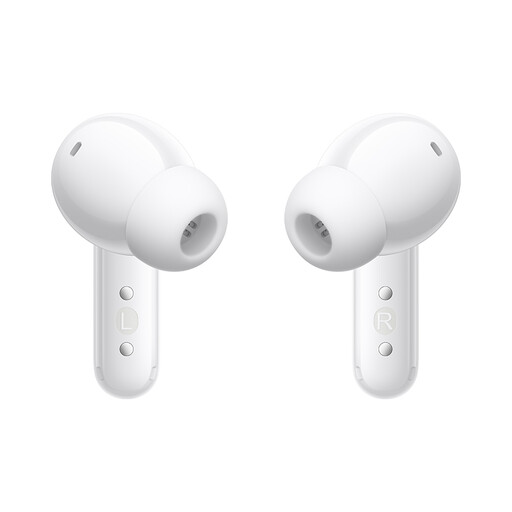
Why this choice suits this profile: This format suits those who switch between music, calls and travel, while wanting to limit frequent recharges.
The spec sheet distinguishes the 9-hour battery life per earbud from the 42 hours stated with the case. Noise reduction can reach 49 dB.
A 12.4 mm dynamic driver, Bluetooth 5.3, ANC and an IP54 rating are included in the specifications.
We have put together a comprehensive, real-time updated selection of products that meet these demanding criteria as well as European safety standards.
Place the earbuds in their case, open it, then activate pairing mode if necessary. In the Bluetooth settings of your iPhone or Android phone, select the model name. To make reconnections easier, keep the earbuds saved in the list of paired devices. If the product does not appear, turn Bluetooth off and on again, and check that it is not already connected to another device.
It depends on the battery, the number of charge cycles, exposure to moisture and maintenance. Avoid listening at high volume for long periods, clean the grilles with a dry cloth and never charge a damp case. A built-in battery should not be replaced yourself: contact the manufacturer or an authorised repairer.
Yes, ANC uses the microphones and audio processing. Battery life with noise reduction activated may therefore be lower than that stated without ANC. Compare the two values when they are available and choose a model whose case suits your travel routine.