
Livraison le jour même ou le lendemain

Qualité garantie

Débloquez vos offres de bienvenue: Livraison GRATUITE | Jusqu'à -80 % | 30 jours d'essai gratuits à JoyPlus
Téléchargez l'application
Buying Bluetooth wireless earbuds is about more than comparing the stated battery life or the number of microphones. From compact TWS earbuds and bone-conduction models to Bluetooth neckband headphones, different uses come with very different requirements.
A runner will mainly want a secure fit and good awareness of their surroundings. A swimmer will need to check the actual water-resistance rating. For calls, microphone quality and ambient-noise reduction often matter more than powerful bass. Here are the key points to review before buying, along with a selection of models suited to different needs.
The term ‘water-resistant’ does not mean that earbuds can be submerged. The IP54 rating mainly protects against limited amounts of dust and water splashes, while an IP57 model is designed to withstand temporary immersion under specific conditions.
For swimming, look for an IPX8 certification clearly stated on the product page and check the manufacturer’s recommendations. Even with this level of protection, Bluetooth does not work underwater in the same way as it does in open air. A model with MP3 storage may therefore be more practical for listening to music without a smartphone.
The stated battery life generally varies depending on listening volume, calls, noise cancellation and use of the charging case. TWS earbuds benefit from portable charging via their case, but the case itself also needs to be recharged regularly.
For everyday use, check each of the following separately:
Earbuds with active noise cancellation can reduce certain continuous sounds, such as the hum of a train or aeroplane. They do not eliminate every noise and may make vehicles or cyclists around you harder to hear.
For outdoor sports, an open design or transparency mode may sometimes be more suitable. Noise reduction during calls relates to the microphones and voice transmission; it is not necessarily the same as the ANC used when listening to music.
In-ear earbuds are often supplied with several sizes of silicone tips. They can provide useful sound isolation, but how securely they fit depends on the shape of your ear canal. Open models, including bone-conduction earbuds, let more ambient sound through and avoid the feeling of blocked ears.
For running or cycling, check whether the model has a headband, ear hook or neckband. During longer calls, you should also consider the weight and the pressure placed on your ear.
The IP rating contains two numbers: the first refers to solid particles and the second to water. IP54, IP57 and IPX8 therefore indicate different levels of protection.
After a sports session, dry the earbuds before placing them in their case. Never charge a device if its port is wet.
Bluetooth 5.3 or 5.4 alone does not guarantee superior audio quality. Stability also depends on your smartphone, the supported codecs and the radio environment. For gaming, look for a low-latency mode. This can reduce the delay between image and sound, but it will not eliminate every difference between devices.
Apple users may prefer simpler integration with the brand’s devices. Android smartphones remain compatible with most Bluetooth earbuds. However, check which features require a particular app or operating system.
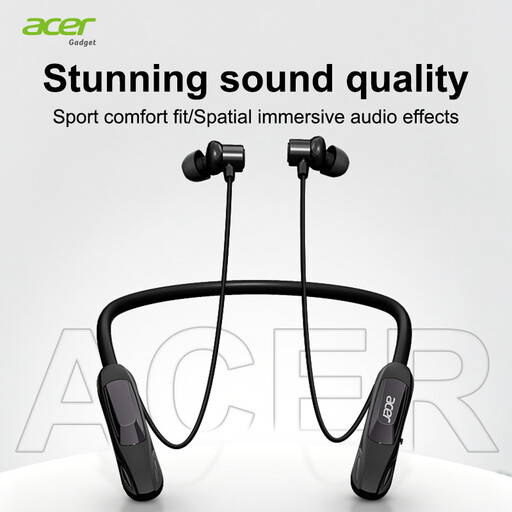
Why this choice suits this profile: This Bluetooth neckband headset is a good first versatile pair for listening to music, making calls or taking part in moderate sports activities. Its magnetic design makes it easy to keep around your neck.
The neckband reduces the risk of losing an earbud while you are on the move and means you do not have to carry a separate small case during your activity.
Bluetooth 5.4, USB-C port, low-latency mode and call noise reduction are listed on the product page.

Why this choice suits this profile: This open model is designed for athletes, swimmers and users who want to listen to audio files without keeping their phone close at hand.
The stated 32 GB of internal memory lets you play MP3 files offline. The IPX8 rating mentioned meets the need for waterproof earbuds, provided the conditions of use are followed.
Open-ear design, Bluetooth, MP3 playback, stated battery life of around 8 to 10 hours and integrated controls.

Why this choice suits this profile: Apple device users may be looking for simpler pairing, a MagSafe case and touch controls for managing calls and music.
The product page states IP57 protection, while also specifying that the product is not intended for swimming or immersion. This distinction helps avoid confusing splash resistance with earbuds designed for use in a swimming pool.
Active noise cancellation, MagSafe-compatible wireless charging case, USB-C port and four pairs of silicone tips.
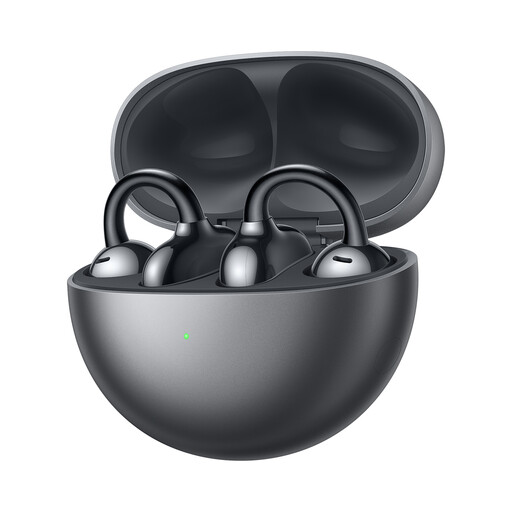
Why this choice suits this profile: The ear-hook design and stated weight of 5.6 g may suit calls, music and everyday wear, particularly if you do not like in-ear tips.
Its open design means you are not looking for total isolation from a product that prioritises awareness of your surroundings. However, the IP54 rating should not be confused with protection suitable for swimming.
Bluetooth 5.3, three built-in microphones, charging case included and stated audio battery life of up to 36 hours with the case.
We have selected a complete, real-time updated list of products that meet these demanding selection criteria and European safety standards.
Activate the earbuds’ pairing mode, open your phone’s Bluetooth settings, then select their name from the list of available devices. If the model is already paired with another device, temporarily disable that connection or reset the pairing by following the instructions in the manual.
Their lifespan mainly depends on the battery, the number of charging cycles, exposure to moisture and maintenance. Built-in batteries gradually lose capacity. A well-maintained case, suitable charging habits and avoiding excessive heat can help preserve battery life over time.
Only models whose product page clearly states that they are suitable for immersion should be considered for this purpose. IP54 or IP57 earbuds should not be treated as swimming earbuds. To listen to music without a phone in the water, also look for MP3 storage, as the Bluetooth connection may be limited below the surface.