
Livraison le jour même ou le lendemain

Qualité garantie

Débloquez vos offres de bienvenue: Livraison GRATUITE | Jusqu'à -80 % | 30 jours d'essai gratuits à JoyPlus
Téléchargez l'application
Looking for Bluetooth wireless earbuds for the underground, calls, sport or simply listening to music at home? There is an overwhelming amount of choice, but marketing promises do not always tell the whole story. Battery life advertised as “up to” several dozen hours often depends on listening volume, the codec used, noise cancellation and the extra charges provided by the case.
Before you opt for Bluetooth earbuds with noise cancellation, an open-ear model or Bluetooth headphones, focus on the features that will really make a difference in everyday use.
The IP54, IP57, IP67 and IPX8 ratings do not offer the same level of protection. The first digit generally relates to resistance to dust and particles, while the second indicates protection against water in specific conditions.
An IP57 model may be perfectly suitable for perspiration and splashes, without being designed for swimming. If you plan to use it in a swimming pool, check the manufacturer's recommendations. Bluetooth performs very poorly underwater, and a device suitable for running is not necessarily suitable for swimming.
Actual battery life varies according to several factors:
Always compare the battery life of the earbuds alone with the total battery life provided by the case. A model advertised as offering 30 hours may last only a few hours per charge, with the extra charges supplied by the case.
ANC earbuds mainly reduce continuous background noise, such as the rumble of a train or aircraft engine noise. They do not eliminate every sound and may also make it harder to hear important signals in the street. A transparency mode is therefore particularly useful for staying aware of your surroundings.
Bone-conduction earbuds and open-ear models leave your ears more exposed. They are useful for cycling, walking or running, but their sound reproduction and isolation are not comparable with those of closed in-ear earbuds.
True Wireless earbuds generally work with an iPhone, a Samsung or Huawei smartphone, or any other Android phone via Bluetooth. However, some advanced features remain linked to the ecosystem you use. Quick pairing, the voice assistant, automatic switching between devices and certain audio settings may be more comprehensive with a smartphone from the same brand.
Also check the Bluetooth version, whether multipoint is supported and whether the companion app is compatible with your operating system. The Bluetooth version alone is not enough to guarantee the same range or call quality in every environment.
Comfort depends greatly on the shape of your ear and the design of the earbuds:
For extended listening, consider the weight, the ear tips supplied, stability during movement and ease of cleaning. An integrated microphone is essential for calls, but voice clarity also depends on the number of microphones and how surrounding noise is processed.
For sports earbuds, choose a clearly documented protection rating and respect its limitations. After a particularly sweaty session, dry the earbuds before putting them back in their case or connecting a cable. The charging contacts must also remain completely dry.
Long-battery-life models are convenient when travelling, but USB-C charging, wireless charging and the availability of accessories also deserve your attention. For swimming, a model with built-in storage that can play audio files without a smartphone is often more suitable than a standard Bluetooth device.
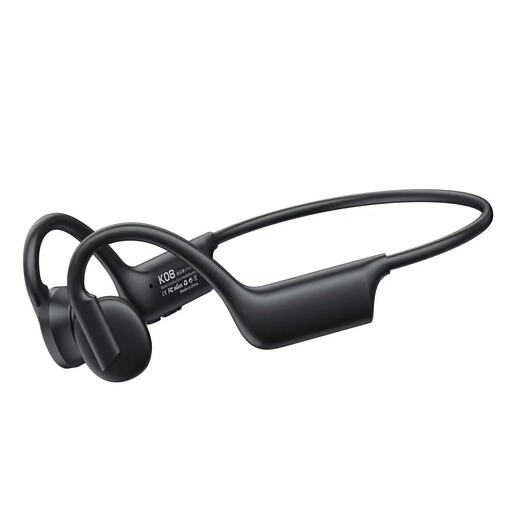
Why it suits this profile : Its open-ear design and advertised weight of around 25 g provide a simple way to listen to music and take calls while walking, running or commuting.
The product details state around 7 to 10 hours of battery life and specify the limitations relating to immersion. This makes it easier to compare the product honestly with the real needs of each use case.
Open-ear design, integrated microphone, Bluetooth and an IPX5 rating stated for certain versions.
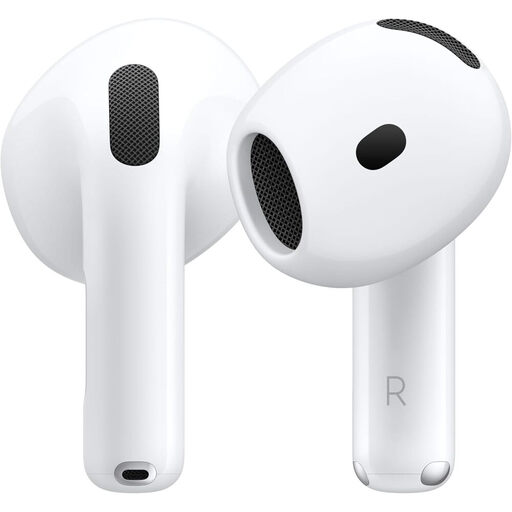
Why it suits this profile : iPhone and iPad users benefit from deep integration with the Apple ecosystem, including simplified pairing, transparency mode and spatial audio features.
The product details clearly distinguish between up to 4 hours of listening with ANC on a single charge and up to 30 hours with the case. The IP54 rating covers dust, perspiration and water, not swimming.
H2 chip, Bluetooth 5.3, USB-C case and Qi-certified wireless charging or charging compatible with Apple Watch.
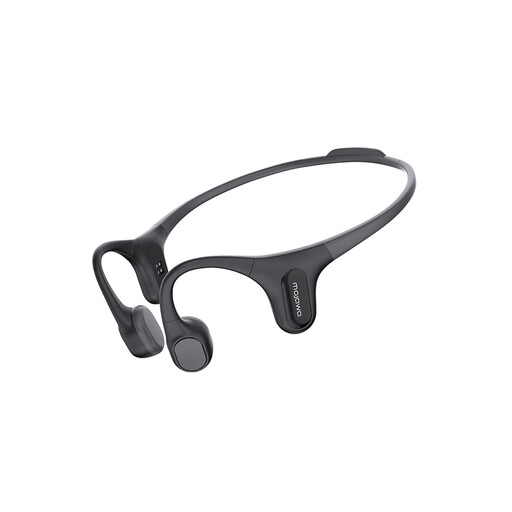
Why it suits this profile : With 32 GB of built-in storage, this model plays MP3 files without a smartphone. The product details also state IP68 protection for sports and water-based activities.
The built-in player means you do not have to rely on Bluetooth underwater. However, you must follow the instructions in the manual and thoroughly dry the charging contacts before charging.
Open-ear design, 32 GB of storage, MP3 playback and intended use for running, the gym and swimming.
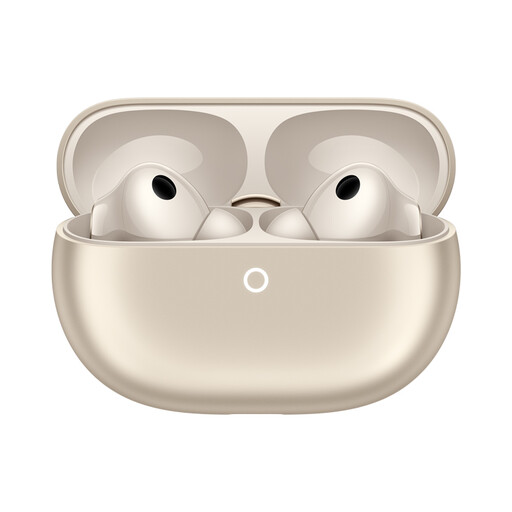
Why it suits this profile : This model combines ANC, transparency mode, connection to two devices and dedicated microphones for calls. It is advertised as compatible with iOS and Android via the Huawei Audio Connect app.
Battery-life figures are detailed according to the codec and whether ANC is enabled: up to 5 or 6 hours with noise cancellation, followed by 22 to 25 hours with the case, depending on the mode used.
Separate speakers for bass and treble, Bluetooth 6, USB-C or wireless charging, and IP57 rating for the earbuds.
We have put together a complete, up-to-date selection of products that meet these demanding criteria while complying with European safety regulations.
Start by charging the earbuds and their case, then open your phone’s Bluetooth settings and activate pairing mode. On some models, pairing starts automatically when you open the case near your smartphone. If the earbuds do not appear in the list, switch Bluetooth off and on again, then consult the supplied guide.
Lifespan depends on the battery, the number of charging cycles, heat, moisture and care. To maintain their performance, avoid high temperatures, clean the earbuds with a dry cloth and never charge a wet device. A gradual reduction in battery life is normal with a rechargeable battery.
ANC earbuds are particularly well suited to travel and noisy environments if you want an isolated listening experience. Open-ear or bone-conduction models are better for activities where you need to remain aware of surrounding sounds. In all cases, keep the volume at a reasonable level and stay alert while travelling.