
Livraison le jour même ou le lendemain

Qualité garantie

Débloquez vos offres de bienvenue: Livraison GRATUITE | Jusqu'à -80 % | 30 jours d'essai gratuits à JoyPlus
Téléchargez l'application
Bluetooth wireless earbuds may look interchangeable on the shelf, but their uses can vary enormously. A model designed for daily commuting will not necessarily suit a cyclist, swimmer or someone who spends their day on video calls.
Before focusing on the price or audio claims, take the time to avoid these three common pitfalls.
Active noise cancellation, or ANC, uses microphones and electronic processing to reduce certain external sounds. Its effectiveness depends in particular on the fit, the shape of the earbuds and the type of noise around you. It does not replace good passive isolation and should not be used in situations where you need to remain fully aware of your surroundings.
By contrast, open-ear earbuds and bone-conduction models let more ambient sound through. They can be suitable for running or cycling, provided you keep the volume at a sensible level so that you can still hear traffic.
An advertised ‘up to’ battery life generally applies to very specific conditions: moderate volume, particular codecs and noise cancellation switched off. ANC, repeated calls or listening at high volume can significantly reduce real-world battery life.
Check the battery life of the earbuds and the additional battery life provided by the case separately. Long battery life is useful when you are travelling, but a compact case and convenient USB-C charging may have a greater impact on your everyday experience.
IP54, IP57, IP67 and IPX8 ratings do not guarantee the same level of protection. The first digit generally refers to resistance to particles, while the second indicates protection against water under clearly defined conditions.
An IP54 product is resistant to dust, sweat and limited splashes. An IP67 model may withstand temporary immersion under the conditions stated in its technical specifications, but that does not mean it is suitable for swimming. The charging case may also have a different rating from the earbuds themselves.
Bluetooth earbuds generally work with iPhones and Android smartphones, but some features remain linked to the ecosystem you use. Apple AirPods earbuds integrate naturally with Apple devices, while Samsung Galaxy Buds make greater use of the settings available through the Galaxy Wearable app on Android.
Huawei FreeBuds can be used with iOS and Android via the dedicated app, but the available features may vary depending on the operating system installed. For professional use, also remember to check compatibility with your Windows computer or tablet.
For meetings, calls on public transport or conversations outdoors, choose models equipped with several microphones, beamforming and wind-noise processing. These technologies improve voice clarity, although they cannot guarantee identical results on every street or in all weather conditions.
A model described as earbuds with microphone should also offer easy-to-use controls for answering or ending a call, or muting the microphone.
For running, comfort after 30 to 60 minutes matters far more than the impression made when you first put them on. On the Underground, ANC and the quality of the fit often take priority.
After a workout, wipe the earbuds with a soft cloth and allow them to dry before storing them in their case. Never connect a cable or magnetic connector when the contacts are wet. Even waterproof models should be protected from chemicals, prolonged exposure to salt water and excessive heat.
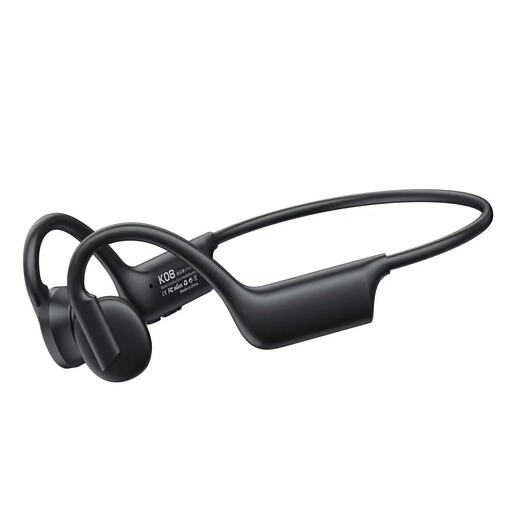
Why this choice suits this profile : The open-ear design and built-in microphone make this an appealing introduction to sports listening, walking or making calls outdoors.
The listing states around 7 to 10 hours of battery life and an IPX5 rating, depending on the variant. Check the version you choose carefully rather than assuming that it can withstand immersion.
Bone-conduction design, Bluetooth connectivity and dedicated music and call controls.
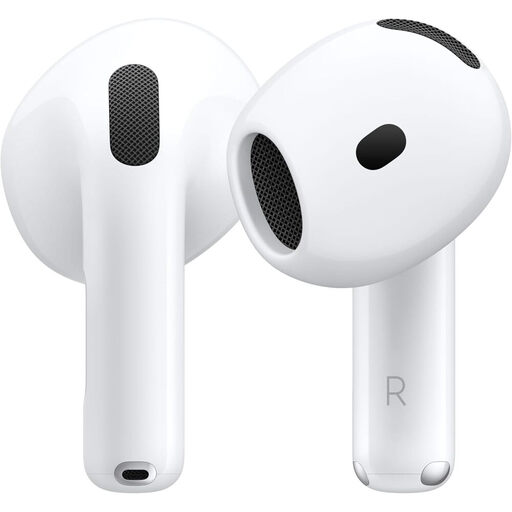
Why this choice suits this profile : iPhone and iPad users benefit from simplified pairing, Siri, the Find My app and audio sharing between compatible Apple devices.
ANC can be switched off or replaced with Transparency mode. However, the IP54 rating confirms that this model is protected against dust, sweat and water, rather than being designed for swimming.
H2 chip, Bluetooth 5.3, personalised spatial audio and up to 30 hours of battery life with the case, according to the product listing.
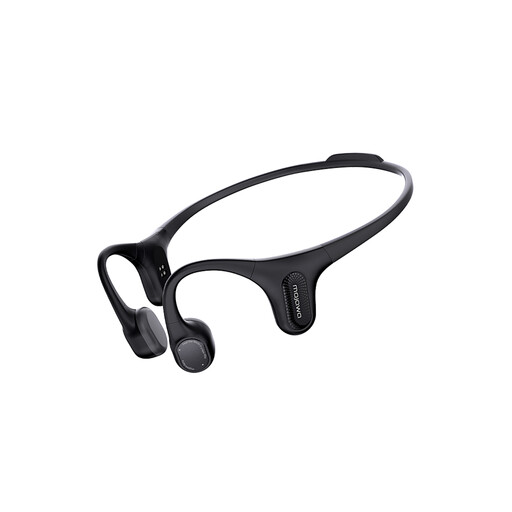
Why this choice suits this profile : Runners and cyclists who want to keep their ears open benefit from an open-ear design, a microphone and the advertised IP67 protection.
The listing specifies that IP67 is not suitable for swimming. The magnetic charging contacts must be completely dry before connecting them.
Bone-conduction design, a fit made for sport, hands-free calls and advertised IP67 protection.
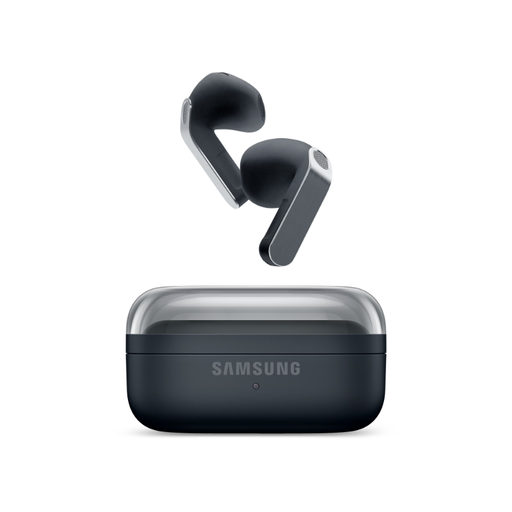
Why this choice suits this profile : It is aimed at Samsung or Android users looking for adaptive ANC, clear calls and control through the Galaxy Wearable app.
The advertised battery life is 6 hours without ANC and 5 hours with ANC, with up to 30 hours in total without ANC. These figures make it easier to compare the different usage modes.
Samsung Seamless Codec advertised up to 24-bit/96 kHz, adaptive ANC and compatibility with wireless charging.
We have put together a complete, real-time updated list of products that meet these demanding selection criteria and European safety regulations.
Charge the earbuds and their case, open the case, then switch on Bluetooth in your phone’s settings. Select the product name when it appears in the list. To make reconnecting easier, leave the earbuds saved among your paired devices.
It depends on the battery, how often they are recharged, exposure to moisture and how well they are maintained. Avoid heat and knocks, and do not charge them when the contacts are wet. As with any rechargeable battery, a gradual reduction in battery life is normal.
Charging the earbuds and their case generally requires very little energy. Running costs depend mainly on how often they are recharged and which charger you use. A compliant USB-C charger and unplugging the case once it is charged are enough to limit unnecessary energy consumption.