
Livraison le jour même ou le lendemain

Qualité garantie

Débloquez vos offres de bienvenue: Livraison GRATUITE | Jusqu'à -80 % | 30 jours d'essai gratuits à JoyPlus
Téléchargez l'application
Bluetooth wireless earbuds have plenty going for them: they are compact, cable-free and compatible with most smartphones. However, a long list of features does not guarantee that a model will suit your daily routine. Whether you use them on the Underground, for calls at work, while running or on long journeys, the features to prioritise will vary according to how you plan to use them.
Total battery life often includes the additional charges provided by the case. To compare models properly, make sure you distinguish between:
A model advertised as offering several dozen hours of use may therefore require the earbuds to be recharged after just a few hours of continuous listening.
IP54, IP55 and IP57 ratings indicate the level of protection against dust and water under specific conditions. They do not mean that Bluetooth earbuds can be used for swimming.
Depending on the rating, sweat, splashes and light rain may be tolerated. The charging case may have a different level of protection — or no particular protection at all. Always check the instructions and avoid submerging the earbuds unless the manufacturer explicitly states that this is permitted.
A large speaker, several microphones or active noise cancellation are not enough to predict listening quality. The shape of the ear tips, how well the earbuds fit and the software processing are just as important.
ANC is particularly useful on a plane or train. In the street, transparency mode is often a better choice, helping you stay aware of announcements and traffic. For calls, check that the earbuds have a built-in microphone, along with the technologies used to reduce background noise.
For everyday use, start by comparing the earbuds’ battery life on a single charge rather than relying solely on the figure quoted with the case. A charging case with a USB-C port is easy to use with modern chargers. Some models also offer wireless charging, which is convenient on a desk with a compatible charging pad.
Battery capacity alone is not enough to distinguish between two products. Instead, refer to the battery-life figures measured under the conditions that matter to you, particularly with ANC switched on.
In-ear earbuds use silicone ear tips. They generally provide better isolation from external noise and a more secure fit, provided their shape suits your ears. Semi-open models let you hear more of your surroundings, but their stability varies considerably from person to person.
For sport, prioritise a secure fit, easy-to-use controls and protection suited to perspiration. An ear-hook model, such as the Huawei FreeClip, offers a different wearing style from traditional in-ear earbuds.
Earbuds compatible with iPhone and Android generally work with any recent Bluetooth device. However, some advanced features may remain exclusive to a particular ecosystem, such as the voice assistant, location tracking, automatic switching between devices or settings in a dedicated app.
AirPods integrate particularly well with Apple devices, while Galaxy Buds offer more features with certain Samsung smartphones. Before placing your order, check the Bluetooth version, companion app and required operating-system version.
Here are some useful points of reference:
Whatever the rating, dry the earbuds after a workout and never place a damp case on a charger.
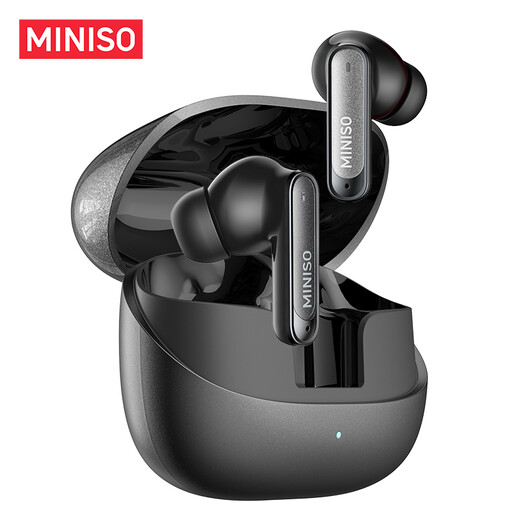
Why this choice suits this profile : This TWS model covers everyday needs — calls, work, study and travel — with advertised compatibility with iPhone, iPad and Android devices.
The product listing distinguishes between the earbuds’ approximate battery life, the case’s battery life and the IPX5 rating. This makes it easier to put general claims into perspective.
Bluetooth 6.0, built-in microphone, advertised range of 10 m and a case capable of providing up to seven charging cycles.

Why this choice suits this profile : iPhone users may be looking for seamless integration, effective active noise cancellation and MagSafe charging in one package.
The product listing clearly separates ANC, IP57 protection and wireless charging. This certification protects against perspiration and splashes, but does not make the earbuds suitable for swimming.
ANC, advertised motion and heart-rate sensors, touch controls, and a MagSafe- and USB-C-compatible case.
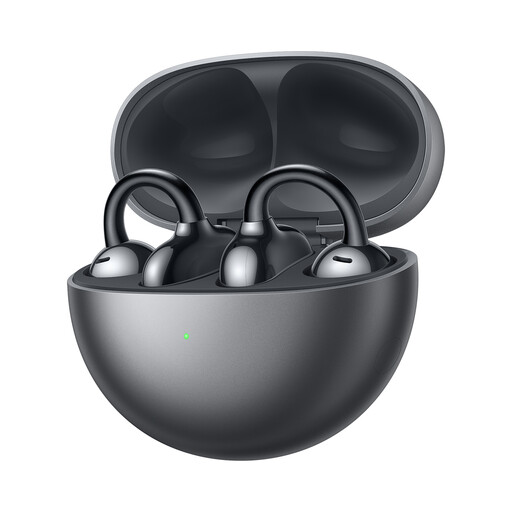
Why this choice suits this profile : The ear-hook design may appeal to anyone looking for a different fit for calls, travel or everyday listening.
The product listing specifies the IP54 rating, three microphones and total battery life with the case separately, without confusing these different figures.
Advertised weight of 5.6 g per earbud, Bluetooth 5.3, USB-C, touch controls and up to 36 hours of battery life with the case.
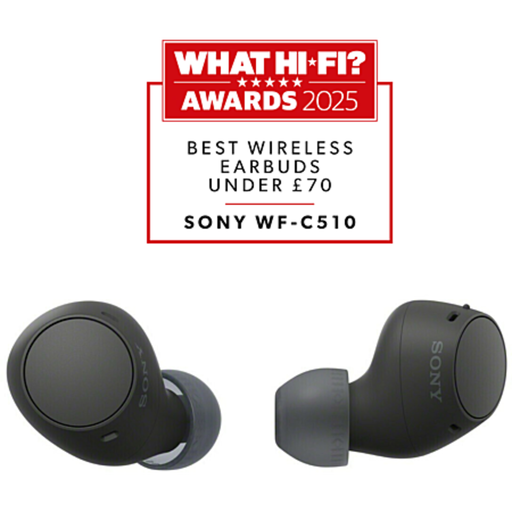
Why this choice suits this profile : Lightweight and semi-in-ear, this TWS model is suitable for anyone who wants to listen to music, make calls and enjoy gentle activities.
The product listing states a Bluetooth range of 10 m, a built-in microphone and a total weight of 31 g — practical details for assessing comfort and everyday use.
Advertised frequency response of 20 to 20 000 Hz, fast charging, included case and a two-year manufacturer’s warranty.
We have brought together a complete, real-time updated selection of products that meet these demanding criteria as well as European safety standards.
To connect earbuds compatible with iPhone and Android, place them in their case, open it and then switch on Bluetooth in your phone’s settings. Select the model name that appears on screen. When connecting to another device for the first time, hold down the case’s pairing button or follow the manufacturer’s instructions.
A few simple habits can help keep your earbuds working properly:
Lifespan depends on how frequently the earbuds are used, the number of battery cycles, exposure to moisture and the quality of maintenance. Built-in batteries must not be replaced by the user.
Yes. Bluetooth audio connectivity is generally compatible with both systems. However, certain features, such as location tracking, the voice assistant or advanced settings, may require a dedicated app or a device from the same brand.
It depends entirely on the model and the case. Product listings often state that a full recharge takes between one and two hours. Fast charging can provide several minutes of listening after just a few minutes connected to a charger. Remember to check the charging time for the earbuds and the case separately.
Not necessarily. An IP rating protects the device within the limits set by its certification, but swimming and prolonged immersion require equipment specifically designed for that purpose. The IP54, IPX5 and IP57 models presented here should be used in accordance with their manufacturer’s recommendations.