
Livraison le jour même ou le lendemain

Qualité garantie

Débloquez vos offres de bienvenue: Livraison GRATUITE | Jusqu'à -80 % | 30 jours d'essai gratuits à JoyPlus
Téléchargez l'application
Looking for wireless Bluetooth earphones for your daily commute, calls, workouts or working from home? There’s no shortage of choice, but marketing claims don’t always make it easy to find the right model for you. For example, a 40-hour battery life may include several recharges from the case. And noise reduction depends not only on the technology used, but also on the shape of the earphones and how they fit in your ears.
Before buying True Wireless earphones, focus on three things: whether they’re genuinely compatible with your phone, how comfortable they are after several hours, and the difference between the features advertised — particularly ANC and ENC.
A product listing may claim 30, 40 or 50 hours of battery life. In most cases, this figure combines the earphones’ battery life with the extra charges provided by the case. On a single charge, listening time is much shorter — especially with active noise cancellation switched on, if you make lots of calls or listen to music at high volume.
To get a realistic idea of everyday battery life, compare these separately:
The Bluetooth version tells you which connectivity standards are supported, but it doesn’t guarantee better sound quality or microphone performance. The audio codec, acoustic design, distance from your smartphone and any obstacles also matter.
Bluetooth 5.4 earphones can work perfectly well with an iPhone, Samsung, Xiaomi or Huawei smartphone, as well as a recent tablet. However, check which features are actually compatible with your device: some advanced options depend on your phone and the ecosystem you use.
ANC, or active noise cancellation, mainly reduces continuous background sounds, such as the rumble of a train or the background noise of a plane. ENC is more concerned with processing the microphone signal during calls. So, a model with ENC may make your voice clearer to the person you’re speaking to, without reducing the noise around your ears while you listen to music.
The shape of the earphones also plays a major part. In-ear models generally block out more noise than semi-open or open-ear earphones, which let more surrounding sounds through.
The weight, shape and supplied ear tips largely determine how securely the earphones fit. For work or study, a lightweight model supplied with several sizes of ear tips will often be more comfortable. For running, sports earphones with hooks or splash resistance help keep them in place. Bear in mind, though, that an IP rating doesn’t mean the earphones can be submerged in water.
Check the protection rating carefully:
The charging case may have a different rating, or no water protection at all.
If you regularly use your earphones for phone calls, check how many microphones they have, whether they feature noise reduction for calls, and what type of controls they offer. Touch controls are handy on public transport, but can also be triggered accidentally under a hat or during a workout.
For video meetings, work calls and online classes, also check compatibility with your operating system and whether you’ll need any additional apps.
Earphones compatible with iPhone and Android usually connect through your phone’s Bluetooth menu. However, some advanced features are only available within the manufacturer’s ecosystem. Multipoint connectivity can be particularly useful if you regularly switch between a computer and a smartphone.
Wired USB-C earphones are a simple alternative: they don’t need a battery and avoid the audio delay sometimes caused by wireless transmission. They’re suitable for devices with a USB-C port, provided it supports digital audio output.
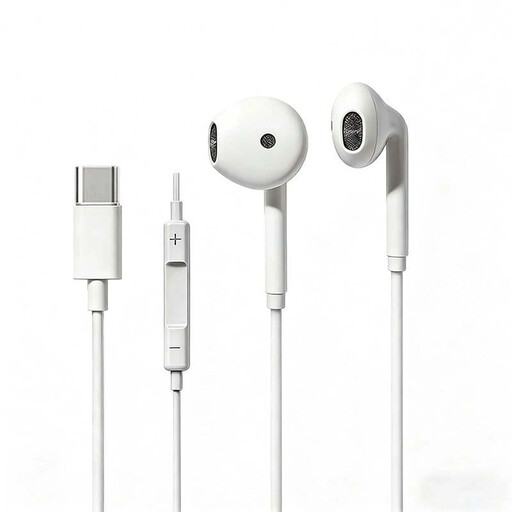
Why this is a good fit for you: A straightforward wired option for listening to music, watching videos and taking calls, without having to think about charging. The product listing mentions a USB-C connection, an integrated microphone, an in-line remote and 10 mm dynamic drivers.
Battery life isn’t an issue, as the earphones draw power directly from your device. However, check that your phone supports audio output via USB-C.
1.2 m cable, integrated microphone, in-line controls and no Bluetooth-related latency.
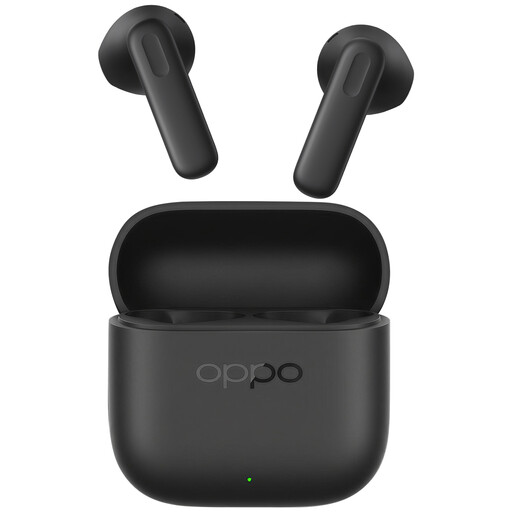
Why this is a good fit for you: These True Wireless earphones are for anyone who wants to switch easily between music and calls, with Bluetooth 5.4 connectivity and a compact case.
The product listing mentions a USB-C case and several sizes of ear tips. You can adjust the fit before deciding how much noise they block out.
Bluetooth 5.4, touch controls, microphone for calls and USB-C charging.
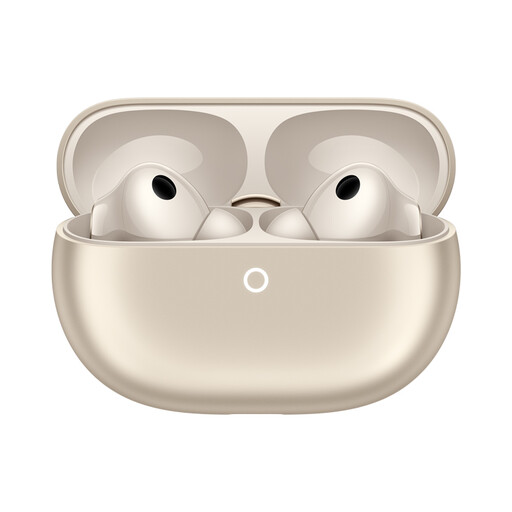
Why this is a good fit for you: This model is for anyone looking for earphones with ANC, dual-device connectivity and advanced audio settings on iOS, Android or Windows.
The product listing gives separate battery life figures for when ANC is on and off. It also states that the earphones are IP57 rated, without suggesting they’re suitable for swimming.
ANC, dual connectivity, USB-C or wireless charging, and up to 9 hours of battery life without ANC, depending on audio mode.
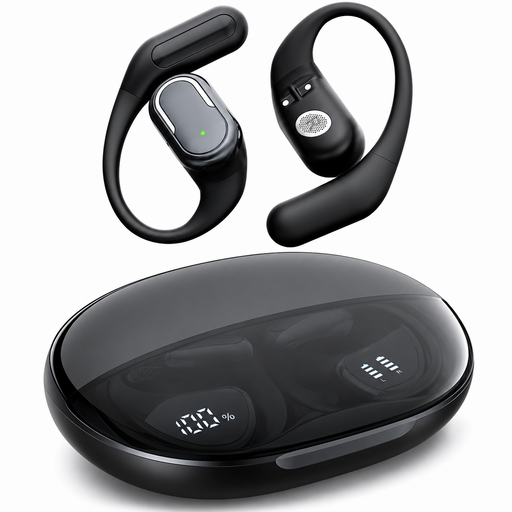
Why this is a good fit for you: Their open design and hooks are ideal for runners, cyclists and anyone who wants to stay more aware of their surroundings.
The open-ear design doesn’t claim to provide complete noise isolation. The listing gives the earphones an IPX6 rating, which means water resistance under the specified conditions.
Bluetooth 5.4, ENC microphone, up to 6 hours of listening per charge, and a USB-C case providing up to 45 hours of combined battery life.
We’ve put together a comprehensive selection, updated in real time, of products that meet these demanding criteria and European safety standards.
Yes. Standard Bluetooth audio connectivity generally works with both systems. However, advanced features such as voice control, a companion app or automatic switching between devices can vary by brand and operating system.
It depends on the built-in battery, the number of charging cycles, exposure to heat and how well you look after them. Clean the contacts with a dry cloth, avoid excessive moisture and store the earphones in their case. Even with good care, a built-in battery will eventually lose capacity over time.
ANC can reduce some continuous noises on trains, the Underground or planes, but how well it works depends on the model, the fit and your surroundings. Keep the volume at a sensible level and switch off noise cancellation when you need to stay aware of sounds around you.