
Livraison le jour même ou le lendemain

Qualité garantie

Débloquez vos offres de bienvenue: Livraison GRATUITE | Jusqu'à -80 % | 30 jours d'essai gratuits à JoyPlus
Téléchargez l'application
A headset that slips during a run, earphones that give up after a few sessions in the rain, or a flat battery halfway through a bike ride – a purchase meant to simplify your day can quickly become a waste of money. So, to choose the right Bluetooth sport earphones, it’s best to look beyond the design and the promises printed on the box.
Here are the most common pitfalls, the technical criteria to check, and a selection of models suited to different needs.
The term "waterproof" doesn’t necessarily mean the earphones can be submerged. The IP rating indicates their level of protection against dust and water, but each rating corresponds to very specific conditions.
For Bluetooth earphones for swimming, the IP rating alone isn’t enough. Bluetooth transmits very poorly through water: a model intended for the pool must therefore have internal memory and a standalone playback mode.
Earphones with noise cancellation reduce surrounding sounds. This feature is handy on public transport or in the gym, but it’s not always suitable for running, cycling, or walking in the city. Hearing a bell, a car, or an external instruction can be essential.
Open-ear earphones and bone conduction models let more ambient noise through. However, they don’t remove the need to stay alert to the risks of listening at too high a volume: it’s best to keep the sound level at a reasonable level.
Battery life depends on listening volume, calls, distance from your phone, and the features activated. With TWS earphones, check the listening time of the earphones themselves and the extra charge provided by the charging case separately. For a sport headset with an MP3 player, also look at the time needed to transfer files and the supported formats.
Whether for running or fitness, earphones need to stay in place despite repeated movements. In-ear models often provide good isolation, but they can become uncomfortable during a long session. Ear hooks and designs that go behind the head generally improve stability.
Bone conduction earphones sit near the temples or cheekbones without blocking the ear canal. Their comfort then depends a lot on the pressure applied and the shape of the headband.
Never charge earphones when their contacts or magnetic port are still damp. After a session at the pool or in the sea, rinse the product with fresh water if the manual allows it, then dry it completely before putting it back on charge. Salt and chlorine can speed up corrosion of the contacts.
An IP rating doesn’t necessarily protect against hot steam, chemicals, impacts, or repeated immersion. For swimming, choose a model whose specification clearly mentions MP3 playback and underwater use.
Mentions of Bluetooth 5.2, 5.3, 5.4 or 6.0 refer to a generation of connection, but stability also depends on your phone and the environment. A stated range of 10 metres generally applies in an open space.
A built-in microphone is fine for everyday calls, but quality can suffer in wind or traffic noise. If you want to train without your smartphone, look for internal memory compatible with the audio formats you need. A standard Bluetooth model can’t play music underwater without local storage.
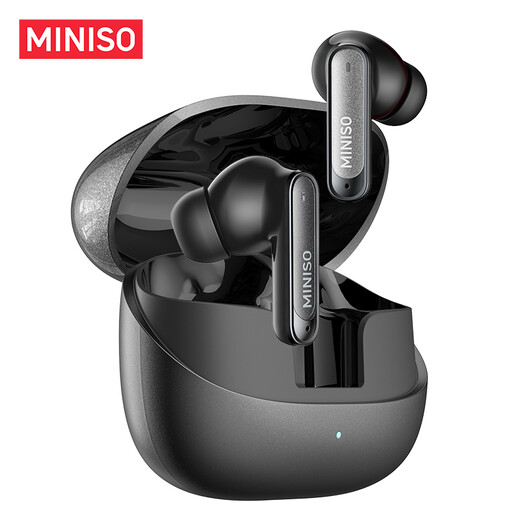
Why this choice suits this profile: These TWS earphones make a good first pair for sport, daily commutes and calls, with compatibility for iOS and Android.
The IPX5 rating indicates resistance to water jets, without suggesting the product is suitable for swimming. So it should be reserved for sweat and outdoor activities away from immersion.
Bluetooth 6.0, built-in microphone, stated range of 10 metres and battery life of around 4 hours per charge.
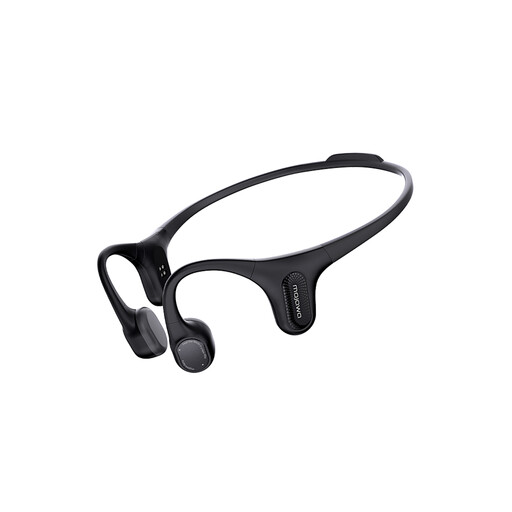
Why this choice suits this profile: Its open-ear design is aimed at runners and cyclists who want to stay aware of external sounds during their workout.
Its IP67 rating should not be taken as a certification for swimming. The specification mentions temporary immersion, but not use for doing lengths in the pool.
Bone conduction design, built-in microphone, wireless Bluetooth connection and a fit designed for running and cycling.

Why this choice suits this profile: This model is aimed at swimmers and athletes who want to listen to their audio files without carrying their phone.
It has 32 GB of storage and an MP3 mode that can be used underwater. Bluetooth must be switched off before immersion, as the signal doesn’t travel well in a pool.
IP68 rating stated, 32 GB storage, stated battery life of up to 8 hours, swimming mode and support for several audio formats.

Why this choice suits this profile: MP3 playback, Bluetooth connection and open-ear design make it a model suited to running, cycling, fitness and outdoor activities.
The 32 GB internal memory means you can do without a phone connection during your activity. Still, remember to dry the contacts before charging.
32 GB storage, IPX8 rating stated, built-in microphone, onboard controls and open-ear bone conduction design.
We’ve put together a comprehensive list, updated in real time, of products that meet these demanding selection criteria and European safety standards.
No, not if you want to listen to music reliably underwater. Immersion severely disrupts the Bluetooth signal. For the pool, choose sport earphones with MP3, equipped with internal memory and a waterproof rating clearly intended for this use.
A battery life of 4 to 8 hours can be enough for many sessions, depending on the model and listening volume. TWS earphones generally offer several extra charges thanks to their case. Check the stated duration for a full charge, not just the total battery life with the case.
They can be a good choice for activities where it’s useful to stay aware of your surroundings. However, you need to check their fit, sweat resistance and maximum volume level. On a bike, especially on the road, they in no way replace being alert to traffic and other road users.