
Livraison le jour même ou le lendemain

Qualité garantie

Débloquez vos offres de bienvenue: Livraison GRATUITE | Jusqu'à -80 % | 30 jours d'essai gratuits à JoyPlus
Téléchargez l'application
The Bluetooth speaker market is a real jungle. Between flashy marketing promises and indecipherable spec sheets, it's hard to know where to start. Making the right choice often feels like an uphill battle. To help you avoid throwing your money away, we've identified the three main pitfalls you absolutely must avoid.
To see things more clearly, focus on the few specifications that truly matter before you buy.
The only power rating that matters is RMS (Root Mean Square). It measures the continuous power the speaker can deliver without clipping or distortion.
But sound quality isn't just about watts. The size of the drivers and the presence of passive radiators (which enhance bass) are much more telling indicators of the sound's fullness and depth.
A true portable speaker should be able to go anywhere with you, hassle-free. Battery life is indicated in hours, but also take a look at the battery's capacity in milliampere-hours (mAh). A battery over 2000 mAh already ensures good endurance for several hours of listening. The inclusion of a USB-C charging port has now become the go-to standard, guaranteeing faster charging and near-universal compatibility.
The IP rating is your best friend for choosing a waterproof Bluetooth speaker that's genuinely suited to your needs. It consists of two digits: the first for resistance to solids (dust) and the second for liquids. It's this second digit that we're most interested in.
Some speakers go the extra mile. A multi-room speaker lets you stream the same music to multiple rooms over Wi-Fi, creating a unified sound ecosystem. For lively parties, a karaoke speaker with microphone inputs and light effects can turn your living room into a stage.
Here is our selection, designed for different profiles and budgets, applying the criteria we've just discussed.
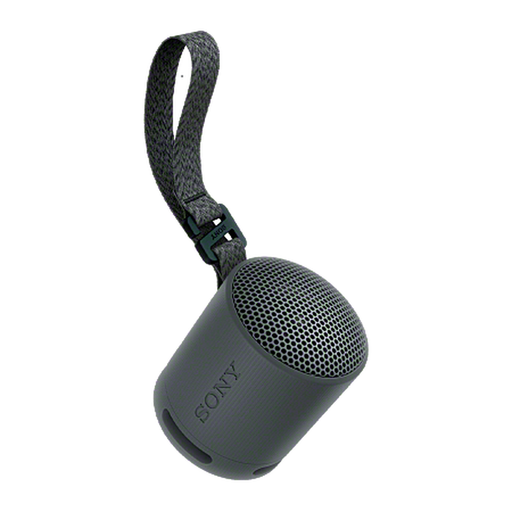
Why we recommend it: Ideal for students, travellers, or anyone who wants a reliable and ultra-portable speaker. Its compact size and carrying strap let you take it absolutely anywhere, from the park to the poolside.
It has a clear IP67 certification, guaranteeing total protection against dust and immersion, a far cry from vague "water-resistant" claims. Its 16-hour battery life is a promise kept in everyday use.
Its durability (IP67) and extreme portability make it a reliable adventure companion, without sacrificing sound quality that's impressive for its size.
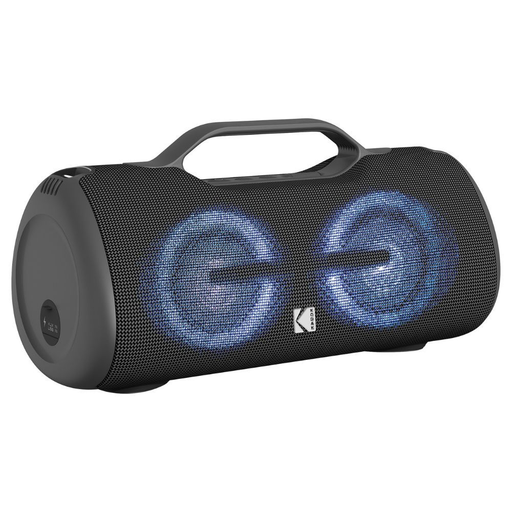
Why we recommend it: Perfect for those who host garden parties, barbecues, or need sound that packs a punch outdoors. Its power bank function is a real bonus for charging a phone mid-party.
It advertises 60W, a power rating justified by concrete features (DSP, 3 EQ modes). Its IPX5 rating is honest and suitable for outdoor use (water jets), without overselling full immersion.
Power, sound customisation, and a power bank function: the perfect combo to liven up your events, hassle-free.
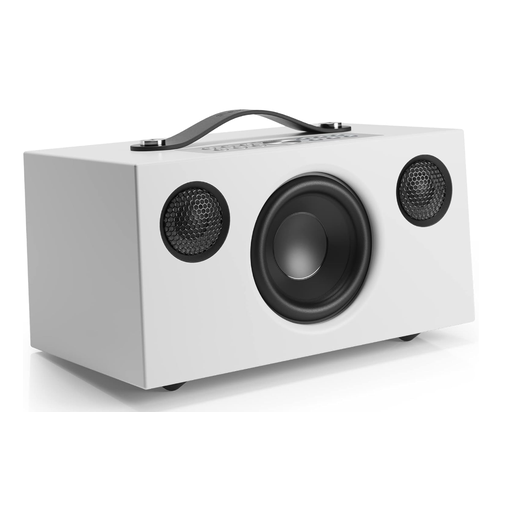
Why we recommend it: For audiophiles who put sound quality above all else and want to create a home audio ecosystem. This is a stationary speaker, designed for the living room and critical listening.
It doesn't focus on portability or raw power, but on acoustic design (Class D amp, dedicated drivers) and connectivity (Wi-Fi, AirPlay 2, Google Cast). Here, it's all about the sound engineering.
The finesse of Hi-Fi sound combined with ultra-comprehensive multi-room connectivity, for an uncompromising home listening experience.
Explore our full selection of products, all tested and approved by our editors according to these same stringent criteria.
It all depends on how you'll use it! For personal listening (bedroom, office), 5 to 15 watts RMS is more than enough. To fill a medium-sized living room (20-30 m?) with sound, aim for 20 to 40 watts RMS. And for outdoor parties, you'll need at least 50 watts RMS to cut through ambient noise and create a real atmosphere.
A few good habits can make all the difference: avoid letting the battery fully discharge too often, don't leave the speaker plugged in permanently after it's fully charged, and store it at room temperature. Finally, keep in mind that listening at a moderate volume is much less power-intensive than listening at full blast.
Yes, many models offer a pairing feature, often called TWS (True Wireless Stereo). This allows you to connect two identical speakers to create true stereo sound, with one speaker handling the left channel and the other handling the right. It's an excellent option for a wider, more immersive soundstage. Be sure to check for this feature on the product page before you buy.