
Livraison le jour même ou le lendemain

Qualité garantie

Débloquez vos offres de bienvenue: Livraison GRATUITE | Jusqu'à -80 % | 30 jours d'essai gratuits à JoyPlus
Téléchargez l'application
Bluetooth headphones with noise cancellation can transform a train journey, a day working from home or a long-haul flight. However, some marketing claims deserve closer scrutiny. A quoted battery life without details of the test conditions, active noise cancellation expressed in decibels or headphones described as “comfortable” on a product page do not necessarily guarantee an experience suited to your needs.
Here are the criteria to examine before buying, along with a selection of models for different types of users in France.
Closed-back or over-ear headphones already reduce some external noise thanks to their ear cushions. Active noise cancellation, also known as ANC, uses microphones and electronic processing to generate a signal that counteracts certain ambient sounds.
ANC is generally more effective against continuous, low-frequency sounds, such as the hum of an aeroplane, train or ventilation system. It does not make every voice, ringtone or sudden noise disappear. Be wary, therefore, of product pages promising total silence in every environment.
Manufacturers often measure battery life at moderate volume, with or without ANC. The difference between the two modes can be significant. Also check the charging time, whether fast charging is available and whether you can use an audio cable when the battery runs out.
When choosing long-battery-life Bluetooth headphones, always compare the measurement conditions. A battery life of 60 hours without noise cancellation is not directly comparable with 30 hours with ANC enabled.
The comfort of headphones does not depend solely on the padding. Weight, clamping force, ear-cushion depth and their ability to allow your ears to breathe all play a role after several hours of use. A lightweight model may be comfortable for everyday use, while heavier headphones with a metal frame will provide a different feel.
If you wear glasses, pay particular attention to the pressure exerted on the arms. For long journeys, foldable headphones supplied with a case or pouch will also be much easier to carry.
Prioritise models offering several modes, such as noise cancellation, ambient sound and conversation mode. This versatility is useful in a station or shared office, where you may need to hear an announcement or respond to a colleague.
The decibel values quoted by brands remain technical indicators specific to their measurement methods. On their own, they are not enough to compare two pairs of ANC headphones directly.
Bluetooth 5.2, 5.3 or 5.4 can help improve connection stability and manage power consumption, but range also depends on obstacles and the source device. Multipoint allows you to connect a computer and phone simultaneously, making it easier to switch from a video call to music.
USB-C headphones may also support wired listening, charging or both. Check this carefully: a USB-C port intended solely for charging will not necessarily transmit audio.
Driver size, frequency response and compatibility with a Hi-Res Audio format provide useful information, but they are not enough to describe the sound signature. Fans of strong bass, prominent vocals or classical music will not necessarily be looking for the same tuning.
For calls, check the type and number of microphones, along with the system used to reduce surrounding noise. A 3.5 mm jack is also a useful fallback on an aeroplane, with a games console or whenever the battery is flat.
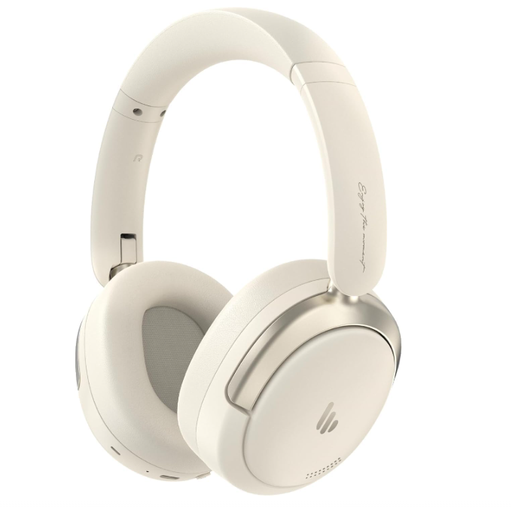
Why this choice suits this profile : These wireless headphones combine hybrid ANC, Bluetooth 5.4 connectivity, an integrated microphone and app-based personalisation, all in a foldable design.
The product page quotes 45 hours of battery life, fast charging and wired Hi-Res listening via USB-C, rather than giving a single figure without context.
Noise reduction of up to -44 dB, 40 mm dynamic driver and two-device connectivity.
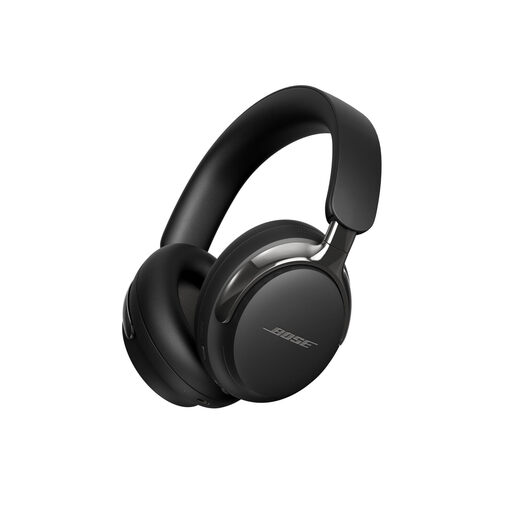
Why this choice suits this profile : They are designed for users who prioritise advanced listening modes, immersive sound and customisable settings controlled through an app.
The product page distinguishes between the quoted battery life with immersive audio and the figures achieved in Quiet or Aware modes. Wired listening via USB-C is also specified.
Quoted battery life of up to 30 hours, Bluetooth 5.4 multipoint and immersive audio and cinema modes.
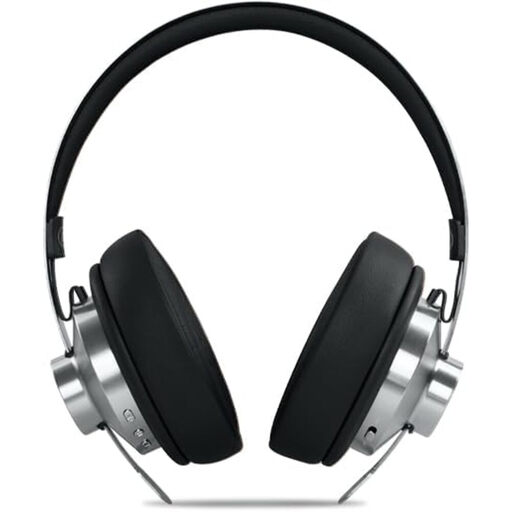
Why this choice suits this profile : Its over-ear design, auxiliary input and quoted battery life meet the needs of frequent travellers and long listening sessions.
The product page distinguishes between Bluetooth and wired 3.5 mm connections. It also specifies a charging time of around 2 hours, along with the included carry accessories.
Quoted battery life of up to 66 hours, ANC of up to -35 dB and 40 mm speakers.
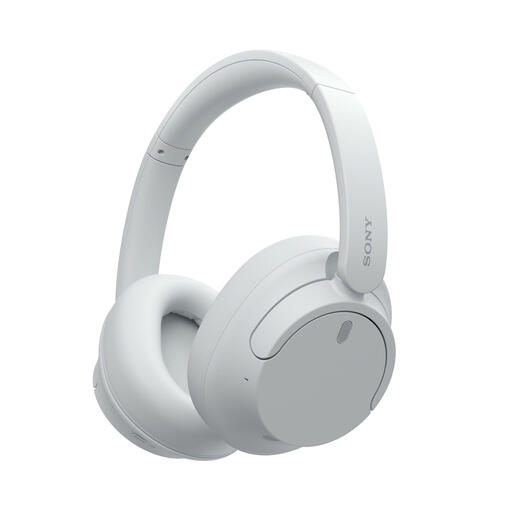
Why this choice suits this profile : These headphones with microphone combine ANC, Bluetooth and a 3.5 mm cable, with dedicated controls for calls and music.
The product page lists battery life with ANC, wireless battery life and fast-charging time separately. Its quoted weight of 192 g also helps you assess long-term comfort.
Up to 50 hours quoted without ANC, 35 hours with ANC, Bluetooth multipoint and USB-C port.
We have put together a complete, real-time updated selection of products that meet these demanding criteria while complying with European safety regulations.
Active noise cancellation and Bluetooth connectivity require a battery. However, some models allow passive wired listening with a 3.5 mm cable. This does not always replace ANC, but it allows you to continue listening to music when the battery is flat.
It depends on how often they are used, the battery, storage and maintenance. The ear cushions may wear out before the electronic components. Before buying, find out about the availability of spare parts, the statutory guarantee of conformity and the terms applied by the seller.
Yes. Active noise cancellation uses microphones and electronic processing, which generally reduces battery life compared with use without ANC. USB-C charging and fast charging can nevertheless help minimise interruptions in everyday use.