
Livraison le jour même ou le lendemain

Qualité garantie

Débloquez vos offres de bienvenue: Livraison GRATUITE | Jusqu'à -80 % | 30 jours d'essai gratuits à JoyPlus
Téléchargez l'application
A pair of Bluetooth headphones can make your commute, work calls, workouts or online gaming sessions much easier. But product specs sometimes highlight an impressive number at the expense of real-world use. Record battery life won't make up for an uncomfortable headband, and poorly tuned active noise cancellation won't preserve the natural sound of voices.
Before you head to the checkout, it's worth separating the genuinely useful features from the marketing claims that don't always help you compare models.
Bluetooth 5.3, 5.4 or 6.0 primarily refers to a connectivity generation. This number alone isn't enough to judge sound quality, connection stability in a flat full of wireless devices, or the quality of the built-in microphone.
Compatibility with iPhone and Android is generally very broad, but some app features or settings may vary depending on the operating system you're using. Also remember to check for multipoint connection if you want to switch quickly between a computer and a phone.
Battery life depends on listening volume, whether noise cancellation is activated, call duration and temperature. With wireless earbuds, you also need to distinguish between the playtime from a single charge and the total playtime with the charging case.
The HONOR Earbuds A Pro, for example, claim up to 9 hours with the earbuds alone and up to 42 hours with the charging case. These figures are useful for comparing products, but they don't necessarily reflect your daily usage.
A rating like IP54 guarantees limited protection against dust and water splashes, but it doesn't make the product waterproof or suitable for immersion. If no rating is stated, it's best to avoid rain and particularly sweaty workouts.
The JBL Tune 530BT, for example, doesn't list any water resistance in the information provided. So you should protect it from moisture, even if it remains practical for travel.
An over-ear headset completely encloses your ear and generally offers good passive isolation on public transport. An on-ear model is more compact, but can put more pressure on your ears depending on your head shape. TWS earbuds slip easily into a pocket, while a neckband reduces the risk of losing an earbud during activity.
The driver diameter, expressed in millimetres, tells you about the headset's design, but doesn't guarantee sound quality. The HONOR Earbuds A Pro features a 12.4mm dynamic driver. The PDP Phantom Gaming Headset Wireless, on the other hand, uses 50mm speakers, a format designed for a more immersive listening experience, especially in gaming.
Active noise cancellation uses microphones and electronic processing to reduce certain ambient sounds, particularly the steady hum of trains, planes or offices. It doesn't eliminate all noise and can also slightly alter your perception of music.
The stated level, such as 49dB for the HONOR Earbuds A Pro or 44dB for the Edifier Atom Max, should be treated as a spec sheet figure, not a universal measurement that's comparable in every situation.
For calls, look for a built-in microphone backed up by multiple mics or an ambient noise reduction feature. According to its spec sheet, the JBL Tune 530BT has two beamforming microphones. The PDP headset, meanwhile, features a bidirectional microphone with a mute function.
For prolonged professional use, check the weight, the shape of the ear cushions, the pressure from the headband and whether you can adjust the volume directly from the headset. When you're on the move, a foldable design and fast charging can be more practical than a very high theoretical battery life.
Volume is also worth keeping an eye on. Listening at high volume for long periods can damage your hearing: follow the manufacturer's recommendations and take regular breaks.
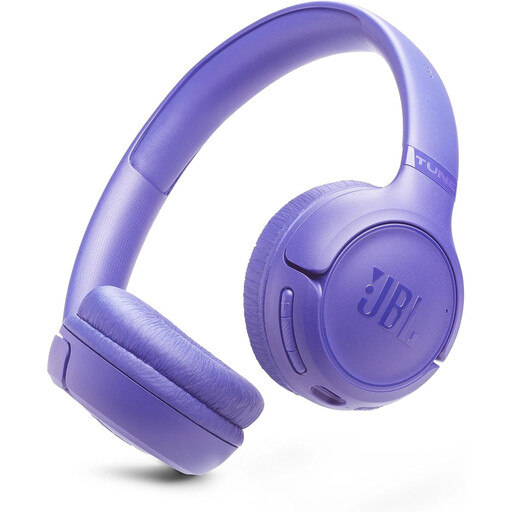
Why this choice suits this profile: Its foldable on-ear design is ideal for students and anyone looking for a headset that's easy to carry for listening to music, watching videos or making calls.
The spec sheet clearly states the advertised battery life, fast charging and the lack of specified water resistance – so you know exactly what to expect.
Up to 76 hours of claimed playback, 5-minute fast charge for 5 hours of use, multipoint connection and two microphones.
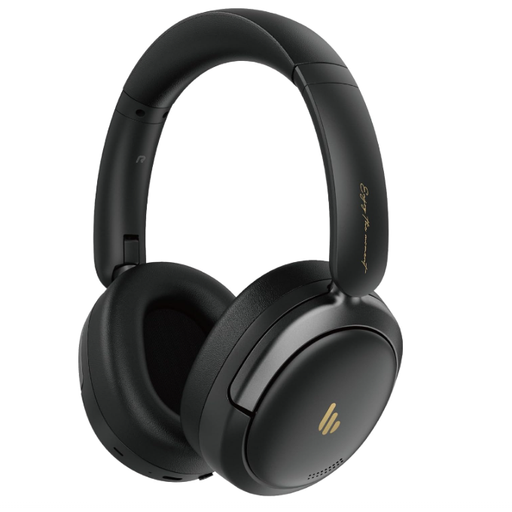
Why this choice suits this profile: Its enveloping design and customisation features are ideal for those who switch between music, work and commuting.
Hybrid active noise cancellation, microphone and dual-device connection: the headset covers multiple uses instead of focusing on just one feature.
Bluetooth 5.4, claimed 45-hour battery life, 40mm dynamic driver and fast charging.
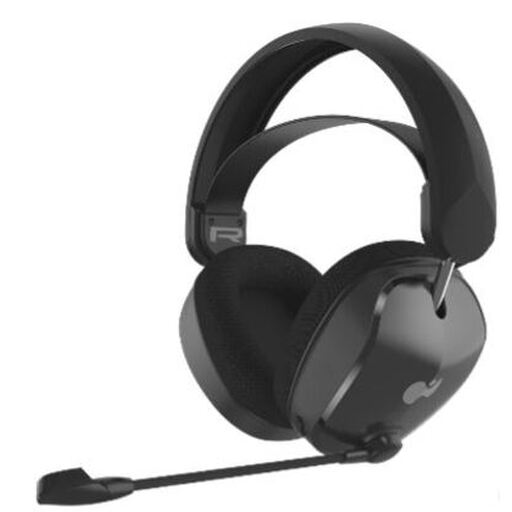
Why this choice suits this profile: This wireless gaming headset is aimed at Xbox players who want to switch between Bluetooth and dongle without sacrificing comfort during long sessions.
Dual connectivity is clearly stated, as is the microphone with mute function: the features useful for gaming don't rely solely on the design.
50mm speakers, up to 40 hours of claimed battery life, fabric ear cushions and a suspension headband.
We've put together a comprehensive list, updated in real time, of products that fully meet these demanding selection criteria and European safety regulations.
Turn on Bluetooth in your phone's settings, switch on the headphones, then press and hold the pairing button if necessary. Next, select the headset's name from the list of available devices. When reconnecting, some TWS earbuds need to be placed back in their case before you can start pairing again.
The lifespan depends on the built-in battery, how often you charge it, exposure to moisture and build quality. Avoid extreme temperatures, don't force the connector and store the earbuds in their case. A built-in battery should not be replaced by the user: consult the manufacturer's instructions.
The electricity used for charging is generally minimal. The main costs to consider are the purchase price, the battery's lifespan and any accessories. A USB-C charging port, a protective case and a clearly stated warranty can make daily use much simpler.