
Livraison le jour même ou le lendemain

Qualité garantie

Débloquez vos offres de bienvenue: Livraison GRATUITE | Jusqu'à -80 % | 30 jours d'essai gratuits à JoyPlus
Téléchargez l'application
A Bluetooth headset can accompany you on your daily commute, your work calls, your workout sessions or your moments of musical enjoyment. But marketing promises don't always make the choice easier: the advertised battery life often depends on the volume and features activated, noise cancellation doesn't eliminate every sound, and a recent Bluetooth version alone doesn't guarantee better audio quality.
Before buying wireless headphones or Bluetooth earbuds, focus on the design, the real-world battery life and how well the model suits your environment.
A noise-cancelling headset with active noise cancellation (ANC) uses microphones and electronic processing to reduce certain ambient sounds. This technology is particularly useful on trains, planes or in shared offices, but its effectiveness depends on the frequencies involved. Nearby voices, sudden sounds and certain irregular noises can remain perfectly audible.
A closed-back model with ear cushions also contributes to passive isolation. So you need to evaluate these two aspects separately: the shape of the headset and whether it features active noise cancellation.
A battery life quoted as "up to" is usually based on very specific test conditions. Listening volume, ANC, calls, multipoint connection and even temperature can significantly affect the result. Instead, compare:
For daily use, a balanced battery life and a convenient USB-C charge often beat a flattering figure achieved under very specific conditions.
An over-ear headset completely encloses the ear and suits long sessions well, but it is generally bulkier. An on-ear model is more compact, while TWS earbuds slip easily into their case. On public transport, a foldable headset can also save space in your bag.
Weight, headband pressure, breathability of the ear cushions and stability during movement matter just as much as the audio specifications.
Bluetooth lets you use a headset without a cable with a compatible phone, tablet or computer. However, the advertised range is measured in open conditions: at home, a single wall can reduce the actual distance. Multipoint connection can be very handy for switching between a work computer and a smartphone without having to re-pair.
For gaming, check for a low-latency mode or a dedicated 2.4 GHz connection. A wireless gaming headset may also include a detachable microphone. Bluetooth earbuds are particularly suited to mobility, but their small battery usually requires more frequent charging.
If you make calls regularly, choose a headset with a built-in microphone and easily accessible controls. Mentions of "call noise reduction" or "high-sensitivity microphone" describe a feature, but don't guarantee flawless quality in every environment on their own.
Also consider the type of controls, compatibility with voice assistants and the customisation app, if available. A backup wired connection can prove useful with certain computers, consoles or entertainment systems.
A rating like IPX5, IP54 or IP67 corresponds to defined levels of protection against water and dust. However, it is still essential to check the limits stated by the manufacturer. Protection against splashes does not mean the product can be used for swimming.
For running or cycling, a bone conduction headset or an open-back design lets more outside sound through. This doesn't mean you should ignore keeping the volume moderate and staying alert to traffic. Avoid using your headset at high volume for extended periods, especially when you need to hear what is happening around you.
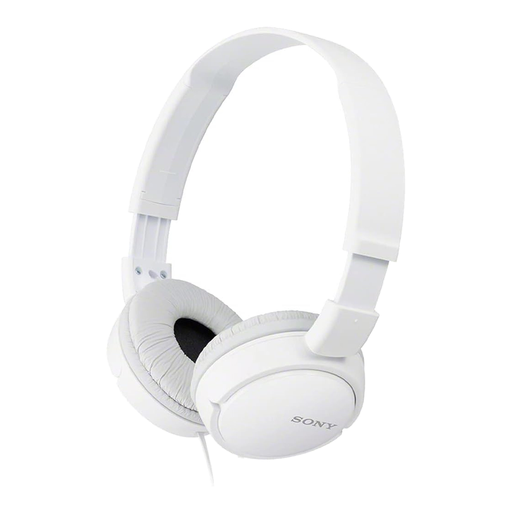
Why this choice suits this profile: This wired headset plugs in via a 3.5 mm jack, with no charging or Bluetooth pairing needed. Its 1.2 m cable and foldable design make it suitable for simple music listening on a computer, tablet or compatible device.
Battery life is not pushed as a selling point: wired operation avoids charging and the ageing of a built-in battery.
30 mm dynamic drivers, stated weight of 120 g, padded ear cushions and swivelling ear cups for easy storage.
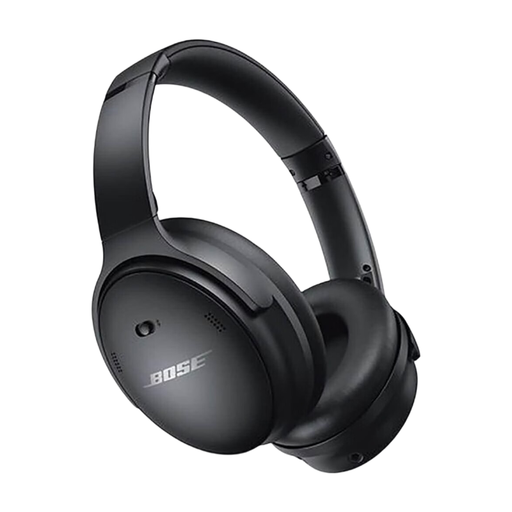
Why this choice suits this profile: Its over-ear design, Quiet and Aware modes, plus Bluetooth and wired connections, cater to travellers and users who want flexibility in how they use it.
Aware mode lets ambient sounds back in, while the audio cable takes over when the battery is drained.
Up to 24 hours of stated battery life, 15-minute fast charge for up to 3 hours of listening and the Bose Music app.
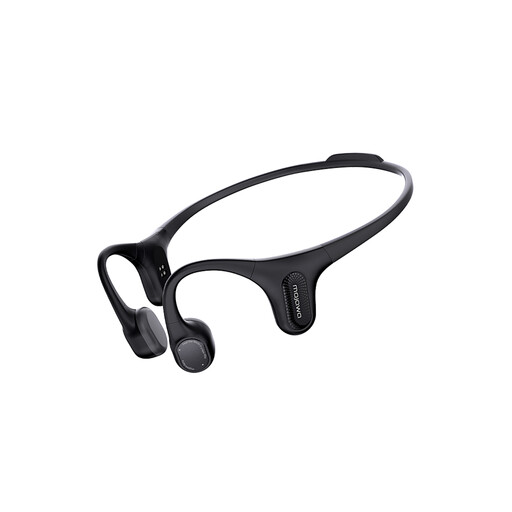
Why this choice suits this profile: Its open design and bone conduction technology are aimed at runners and cyclists who want to stay aware of outside sounds during their activity.
The spec sheet states IP67 protection, while clarifying the product is not designed for swimming. A useful distinction to avoid confusing water resistance with aquatic use.
Open format, built-in microphone, Bluetooth connection and a design built for sports training.
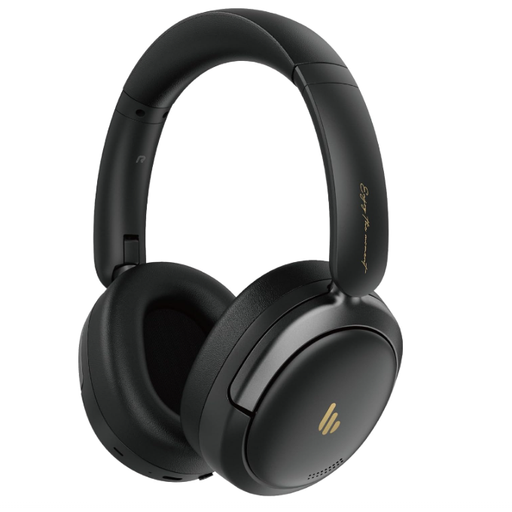
Why this choice suits this profile: This foldable headset combines hybrid active noise cancellation, a built-in microphone and dual-device connection: a practical set-up for working then hitting the road.
The spec sheet distinguishes between wireless and wired USB-C use, so you still have an audio solution when the battery is depleted.
Up to 45 hours of stated listening time, Bluetooth 5.4, noise cancellation rated up to −44 dB and a 40 mm dynamic driver.
We have put together a comprehensive, real-time updated selection of products that meet these demanding criteria as well as European safety standards.
Turn on Bluetooth on your phone, switch on the headphones, then press and hold the pairing button if needed. Next, select the product name from the list of available devices. Once paired, the headphones will usually reconnect automatically to the last device used. If the connection fails, delete the old pairing before starting the process again.
The lifespan depends on the battery, charging frequency, heat and maintenance. The ear cushions and cables may show signs of wear before the electronics do. Avoid extreme temperatures, humidity not covered by the protection rating and prolonged high volumes. A model that can be used wired remains practical when the battery loses its capacity.
Headphones generally offer better stability on the head and more enveloping ear cushions, while TWS earbuds are more discreet and easier to carry. For sport, compare their fit, sweat resistance and the ability to hear surrounding sounds. For long work sessions or commutes, a headset with a microphone and suitable battery life may prove more comfortable.