
Livraison le jour même ou le lendemain

Qualité garantie

Débloquez vos offres de bienvenue: Livraison GRATUITE | Jusqu'à -80 % | 30 jours d'essai gratuits à JoyPlus
Téléchargez l'application
A pair of Bluetooth headphones can accompany your daily commute, remote meetings, workouts or moments of relaxation. Yet product listings often combine maximum battery life, advertised noise cancellation and audio quality without specifying the testing conditions. As a result, a model that looks appealing on paper may prove uncomfortable, underwhelming for calls or significantly less durable once certain features are enabled.
This 2026 selection helps you compare the criteria that really matter before buying wireless headphones or Bluetooth earbuds in France.
A “up to” runtime generally applies under very specific conditions: moderate volume, noise cancellation disabled or use with the charging case for wireless earbuds. ANC, calls, audio codecs and volume levels all have a direct impact on power consumption.
To compare two models, check each of the following separately:
A figure expressed in decibels, such as “up to -44 dB” or “up to 49 dB,” represents a claimed level measured under certain conditions. On its own, it is not enough to compare the listening experience between two devices. Ear-cup design, ear-tip fit and the frequencies filtered also play an important role.
Bluetooth headphones with noise cancellation are particularly effective against consistent sounds such as engines or ventilation systems. They will not necessarily eliminate nearby voices or sudden noises. When walking through the city or cycling, an ambient or transparency mode is often more appropriate.
Headphones that clamp too tightly can quickly become uncomfortable. Conversely, poorly fitted in-ear earbuds may shift while walking or working out. Consider the weight, ear-cushion design, included ear tips and resistance to perspiration.
For remote work, headphones with a microphone should also be assessed based on microphone positioning and its ability to reduce surrounding noise. Multipoint connectivity lets you switch between a computer and a phone without pairing again.
Over-ear headphones completely surround the ear and generally provide more pronounced passive isolation. They are well suited to travel, office use or extended listening sessions, but they are more cumbersome. Bluetooth earbuds are more discreet and easier to carry, while a neckband model can remain around your neck as you move between locations.
Athletes should also check the protection rating. IP54 indicates protection against dust and water splashes, but does not mean the product can be submerged. An IPX5 rating indicates limited resistance to water jets and does not make the device suitable for swimming.
Bluetooth 5.3, 5.4 or 6.0 indicates a particular generation of connectivity, but range also depends on the phone being used, obstacles and interference. Before buying, check compatibility with Android devices, iPhone, tablets, computers and gaming consoles.
For calls and hybrid work, look for:
Long-battery-life headphones can exceed 40 hours according to the manufacturer’s specifications, while earbuds often provide several hours per charge, supplemented by their charging case. USB-C charging makes everyday use simpler by letting you use chargers you already have at home.
Volume remains essential: listen at a sensible level and take regular breaks. Noise cancellation should not be enabled in situations where you need to hear vehicles, alarms or announcements.
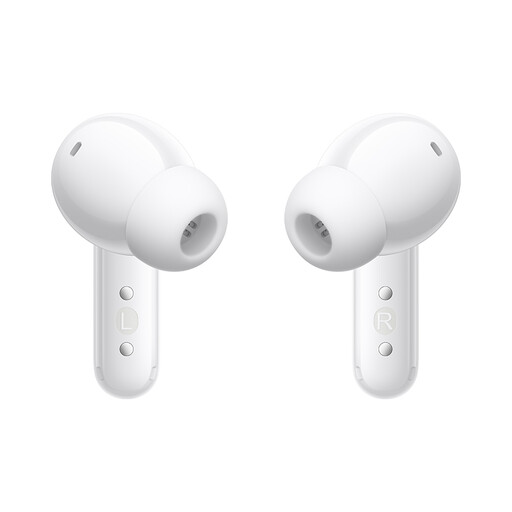
Why this model is a good fit: compact Bluetooth earbuds for commuting, calls and everyday listening, with a claimed battery life of 9 hours per earbud and 42 hours with the case.
The listing distinguishes between battery life per earbud and the total runtime achieved with the case. The IP54 rating is also presented as protection against dust and splashes, not immersion.
12.4 mm dynamic drivers, Bluetooth 5.3, ANC advertised at up to 49 dB and a 500 mAh case, according to the listed specifications.
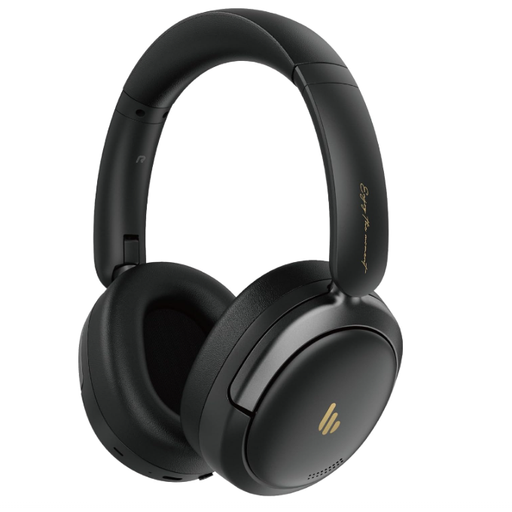
Why this model is a good fit: its over-ear design, integrated microphone and two-device connectivity meet the needs of office work, calls and commuting.
The noise cancellation is described as hybrid and advertised at up to -44 dB. Its effectiveness will nevertheless depend on the fit and the surrounding environment.
Advertised 45-hour battery life, Bluetooth 5.4, 40 mm drivers, multipoint connectivity and a wired USB-C connection compatible with high-resolution audio.
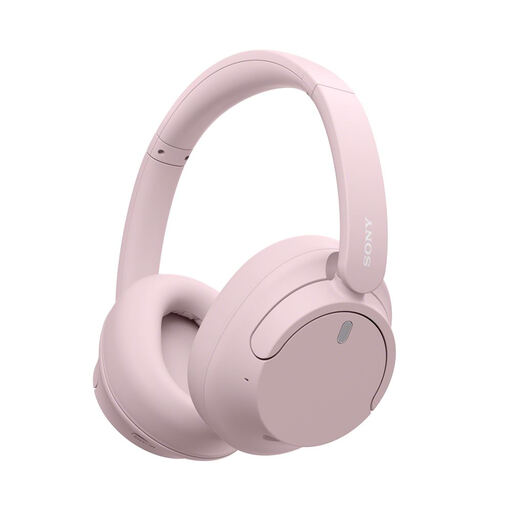
Why this model is a good fit: weighing 245 g, these wireless headphones are designed for commuting, watching TV and extended listening sessions, with a claimed 50-hour battery life without ANC.
The listing specifies that battery life drops to 35 hours with ANC enabled. It also states that the headphones are not designed to withstand perspiration or water.
Active noise cancellation, ambient sound mode, multipoint connectivity, a 3.5 mm jack and advertised fast charging: 10 minutes is said to provide around 4.5 hours of listening.
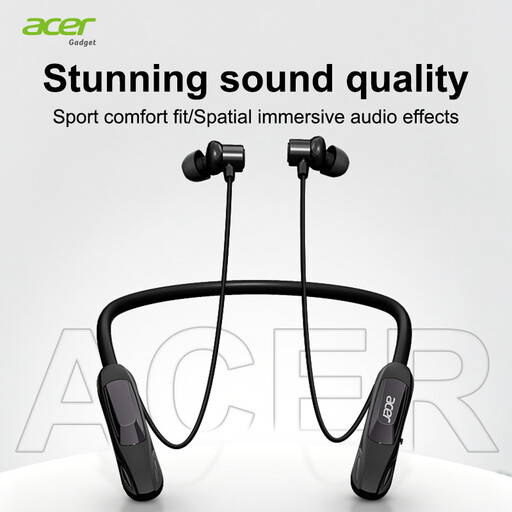
Why this model is a good fit: its neckband design and magnetic storage make it suitable for light exercise as well as frequent travel.
The listing mentions a sports-oriented design and a USB-C port, but check the exact protection rating before using the headphones in the rain.
Bluetooth 5.4, low-latency gaming mode, microphones with call noise reduction and magnetic storage.
The Apple AirPods 4 with active noise cancellation integrate seamlessly into an Apple ecosystem. Their listing mentions an H2 chip, up to 30 hours of battery life with the case and an IP54 rating. However, their open design does not provide the same sense of isolation as over-ear headphones.
If battery life is the priority, the Belkin SoundForm Surround advertises up to 60 hours, multipoint connectivity, a headphone jack and fast charging. The MINISO MS106 uses a compact TWS design with an integrated microphone, advertised Bluetooth 6.0 and an IPX5 rating. Its stated battery life is approximately 4 hours per charge.
Finally, an intercom such as the LOBOO R1X addresses a very specific need: communicating while riding a motorcycle with a compatible helmet. It is therefore not a substitute for headphones intended for music listening or remote work.
Explore an updated selection of headphones and earbuds with noise cancellation, extended battery life and features designed for calls.
Headphones cover the ears and often offer longer battery life as well as more pronounced passive isolation. Wireless earbuds take up less space and are convenient on the move, but their battery life per charge is generally shorter.
It depends on the battery, charging frequency, exposure to heat and maintenance. Avoid leaving the battery completely drained for extended periods, and use a compatible USB-C cable or charger. Replaceable ear cushions can also extend everyday comfort.
Yes. Active noise cancellation uses microphones and electronic processing, which places a greater demand on the battery. Always compare the advertised battery life with ANC enabled and disabled. In a quiet environment, switching this feature off can help preserve battery life.