
Livraison le jour même ou le lendemain

Qualité garantie

Débloquez vos offres de bienvenue: Livraison GRATUITE | Jusqu'à -80 % | 30 jours d'essai gratuits à JoyPlus
Téléchargez l'application
A Bluetooth headset with active noise cancellation can make a train journey more pleasant, make remote working easier, or improve call quality in a busy home. The trouble is that product listings often throw around numbers that are hard to compare. Between wireless ANC earbuds, over-ear headphones and models designed for sport, the right choice really comes down to how you’ll use them day to day.
Active noise cancellation, or ANC, uses microphones and electronic processing to reduce certain ambient sounds, particularly continuous noises from transport. It doesn’t eliminate every sound, and its effectiveness varies depending on fit, the shape of your ear and the type of noise.
Passive isolation, on the other hand, relies on ear tips or ear cushions. A well-fitted over-ear headphone can therefore boost the effect of ANC. Conversely, in-ear headphones that don’t fit securely will let more noise through, even if the spec sheet claims strong noise reduction.
A battery life quoted as “up to” usually refers to a very specific scenario. Activating ANC, listening volume, the Bluetooth codec and taking calls can all significantly reduce the actual runtime. To compare models, check the following separately:
A headphone with long battery life is especially handy when you’re on the move. USB-C charging and a wired mode can also save you from being left without music when the battery runs flat.
A headphone that’s too heavy or too tight quickly becomes uncomfortable to wear for several hours. Check the thickness of the ear cushions, the headband adjustment and the clamping force, particularly if you plan to use it for video calls or long journeys.
For sport, don’t just rely on a “water-resistant” label. Look for a specific rating, such as IP54 or IP57, and check what it actually covers. Protection against sweat and splashes doesn’t mean the product can be used for swimming or in the shower.
A model intended for the tube or plane should have an easily accessible ANC mode, as well as a transparency mode so you can hear an announcement or chat without removing the earbuds. For remote working, also look at the number of microphones, how background noise is handled, and compatibility with your computer.
The performance figures quoted by a brand describe their test conditions and don’t guarantee the same result in every situation. The positioning of the microphones, the seal of the ear cushions and the acoustic environment all have a direct impact on your experience.
Bluetooth versions 5.2, 5.3 or 5.4 guarantee modern connectivity, but compatibility with iOS, Android, Windows and the associated apps varies between brands. Multipoint connection is handy if you switch between a phone and a computer. However, some advanced features may be limited when used with a device from a different ecosystem.
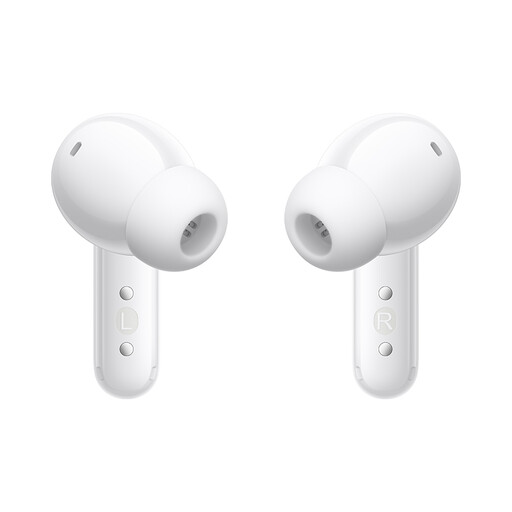
Why this choice suits this profile: These Bluetooth earbuds focus on a compact design, Bluetooth 5.3 and a claimed battery life of up to 9 hours per earbud and 42 hours with the charging case.
The spec sheet mentions ANC of up to 49 dB and an IP54 rating. The features are clearly quantified, rather than summed up with a vague promise.
12.4 mm dynamic driver, claimed total battery life of 42 hours and IP54 protection.
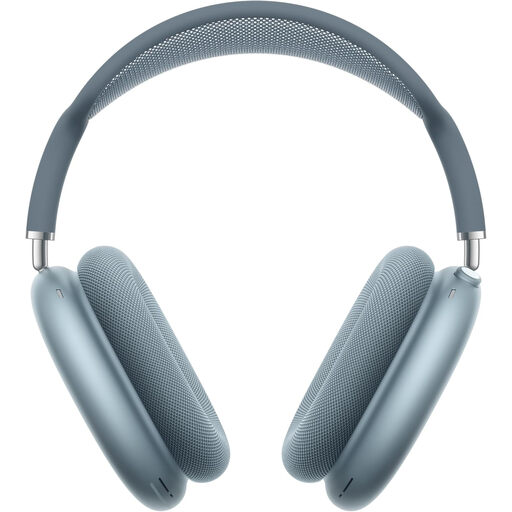
Why this choice suits this profile: This premium headphone is aimed at Apple users who prioritise the over-ear format, integrated controls and personalised spatial audio.
Its adjustable headband and memory foam ear cushions promote long-term comfort. The transparency mode also lets you limit ANC use when outdoors.
Claimed battery life of up to 20 hours with ANC or transparency mode, Bluetooth connection and USB-C cable included.

Why this choice suits this profile: These wireless ANC earbuds target Android users, especially those who own several Galaxy devices and want IP57 protection for their daily activities.
The IP57 rating is clearly stated for the earbuds. Battery life is also detailed with and without ANC: up to 6 and 7 hours per charge respectively.
Dual-driver system, Bluetooth 6.1, USB-C and wireless charging, and up to 30 hours of battery life with the case without ANC.
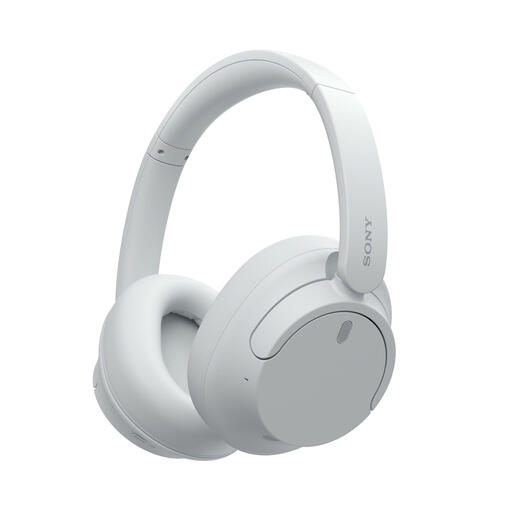
Why this choice suits this profile: Its over-ear design and built-in microphone make it suitable for calls, videos and long listening sessions, whether at home or on public transport.
The spec sheet distinguishes battery life with ANC, up to 35 hours, from that without ANC, up to 50 hours. A wired connection is also available.
Bluetooth multipoint, 3.5 mm jack socket, USB-C and physical controls for both music and calls.
We’ve put together a comprehensive, real-time selection of products that meet these demanding criteria and European safety standards.
Yes, ANC can generally work as soon as the headphones are switched on. However, music, videos and calls require an audio source. Some models also offer a wired connection, which is handy when the battery is flat or with a device that doesn’t have Bluetooth.
It depends on the built-in battery, how often you charge them, how well you look after them and storage conditions. Avoid excessive heat, moisture not covered by the IP rating, and prolonged listening at high volume. The ear cushions and ear tips may also wear out before the electronic components, so check the availability of replacement parts.
Yes. Activating active noise cancellation generally reduces the claimed battery life. To compare two products, always check the runtime with ANC, then the runtime without ANC. That way you can more accurately estimate how often you’ll need to recharge based on your journeys, calls and listening sessions.