
Livraison le jour même ou le lendemain

Qualité garantie

Débloquez vos offres de bienvenue: Livraison GRATUITE | Jusqu'à -80 % | 30 jours d'essai gratuits à JoyPlus
Téléchargez l'application
Running along a road, cycling through town or swimming without your smartphone requires the right audio equipment. Bluetooth bone conduction headphones let you keep your ears clear while listening to music. However, not every model is designed for the same uses.
Disappointment often comes down to three common misunderstandings:
Here are the main criteria to consider before comparing the available models.
Bone conduction transmits sound vibrations through the cheekbones, without earbuds entering the ear canal. This design allows more ambient sound through than closed-back headphones, which is a valuable advantage for running, cycling and outdoor activities.
However, keeping your ears clear does not guarantee perfect awareness of your surroundings. The fit, the shape of your face, listening volume and ambient noise all play a part. If you plan to make phone calls with the headphones, also check for a built-in microphone and easily accessible controls.
Open-ear headphones or earbuds that leave your ears open can be a good solution if you find in-ear tips uncomfortable. For sport, prioritise a design that stays securely in place when you move your head.
The IP rating describes the level of protection against dust and water under the conditions specified by the standard. Simply describing a product as ‘waterproof’ does not tell you whether the headphones can be immersed.
The Mojawa Run Plus featured below states that it offers IP68 protection and can be used underwater within the limits specified in its product information. After a session in the pool or sea, rinse the device with fresh water, dry it thoroughly and never connect the charging cable while the contacts are still wet.
For a gym session or daily outing, several hours of battery life may be enough. If you are planning longer training sessions, also compare charging time and the type of charging connection used.
Built-in storage completely changes how you use the headphones. Headphones with a 32 GB MP3 player allow you to transfer your audio files and listen to music without taking your phone with you. This feature is particularly useful for swimming, as Bluetooth signals travel very poorly through water.
Also remember to check which audio formats are supported, how files are transferred and how easily you can switch between Bluetooth and MP3 modes. Clear technical information helps you avoid discovering after purchase that the headphones are incompatible with your music library.
The models below are aimed at different uses. The listed specifications correspond to the information provided in the product listings. Actual battery life may vary depending on listening volume, temperature, connection quality and the functions enabled.
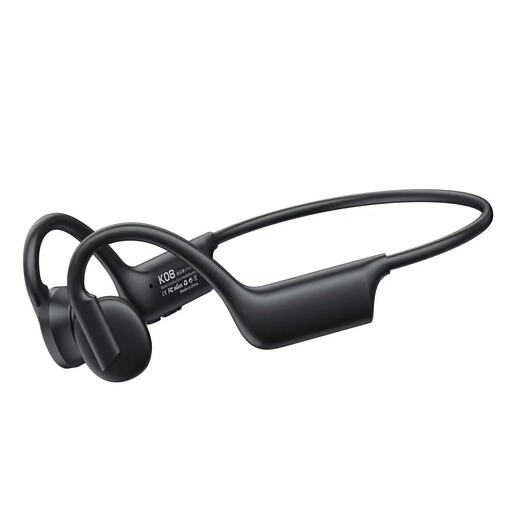
Why this model suits this profile : Weighing around 25 g and featuring built-in controls, these headphones are aimed at anyone looking to try Bluetooth sports earbuds, whether for running, cycling or working out at the gym.
The listing specifies IPX5 resistance for certain variants. This is useful to know so you do not mistake it for headphones designed for swimming or immersion.
Bluetooth 5.1 or 5.3, depending on the variant, a built-in microphone and approximately 7 to 10 hours of stated battery life.
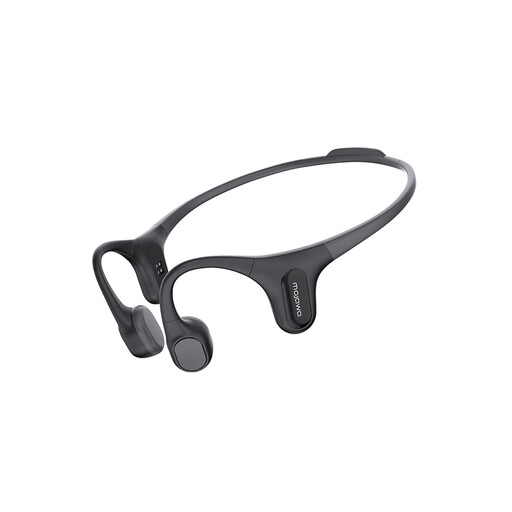
Why this model suits this profile : It combines Bluetooth playback, 32 GB of storage and stated IP68 protection. It is a suitable choice for athletes who alternate between outdoor activities, strength training and workouts where they would rather leave their phone behind.
Its MP3 mode makes underwater use possible : select it before getting in the water, as Bluetooth is not designed to work underwater.
32 GB of internal storage, Bluetooth 5.2, a stated weight of approximately 28 g and battery life of up to 8 hours, according to the product listing.
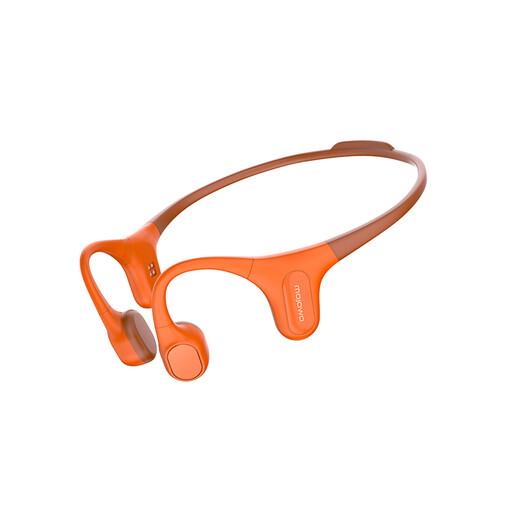
Why this model suits this profile : According to its listing, it is designed for running, swimming, cycling and gym workouts. Its audio storage lets you train without your smartphone.
The listing specifies the immersion limits and recommends rinsing the headphones with fresh water after use in a pool or the sea. The contacts must be completely dry before charging.
Stated IP68 rating, 32 GB of storage, compatibility with several audio formats and fast charging mentioned in the product listing.
We have selected a comprehensive, regularly updated range of products that meet these strict criteria, as well as European safety requirements.
To keep your wireless gym headphones or sports earbuds working well for longer, a few simple habits are all it takes:
Bluetooth connections are generally not suitable for listening underwater. For swimming headphones, choose a model with a built-in MP3 player, transfer your files before your session and activate the audio mode intended for immersion.
A stated battery life of 7 to 10 hours will cover several sessions for most users. However, it depends on listening volume, calls, the distance from your phone and the temperature. For regular use, also compare charging time and whether a fast-charging function is included.
An IP68 rating does not remove the need for basic care. After exposure to salt water or chlorinated water, rinse the device with fresh water, dry it completely and make sure the connectors are dry before charging it. Always check the immersion limits specified by the manufacturer.