
Livraison le jour même ou le lendemain

Qualité garantie

Débloquez vos offres de bienvenue: Livraison GRATUITE | Jusqu'à -80 % | 30 jours d'essai gratuits à JoyPlus
Téléchargez l'application
Not all blueberry products serve the same purpose: a snack to slip into a bag, a fruity drink, an Asian dessert or a breakfast ingredient. But the blueberry image can be misleading. Packaging covered in berries does not guarantee a recipe particularly rich in blueberries: sugar, flavourings and colourings may play a much greater role.
Before placing an order, three common pitfalls are worth keeping in mind:
When comparing blueberry snacks, blueberry sweets or a blueberry drink, start by checking where the fruit appears in the ingredients list. Ingredients are listed in descending order by weight.
A few examples clearly illustrate the differences between recipes:
These percentages alone cannot predict flavour or perceived quality. They do, however, provide a useful first indication of whether a recipe is genuinely fruit-forward or primarily flavoured.
Comparison is more meaningful per serving and per 100 g or 100 ml. Confectionery is generally eaten in small quantities, whereas an entire bottle may represent several servings.
For reference:
A low sugar content does not therefore mean that a recipe is free from sweeteners. If you are sensitive to certain ingredients, review the label as a whole, paying particular attention to erythritol, sucralose, acesulfame-K and maltitol.
Imported products may contain several ingredients that should be identified before purchase:
For children and older adults, pay particular attention to the firm texture of certain konjac jellies, as well as the size of sweets and mochi. Several product listings flag a choking hazard.
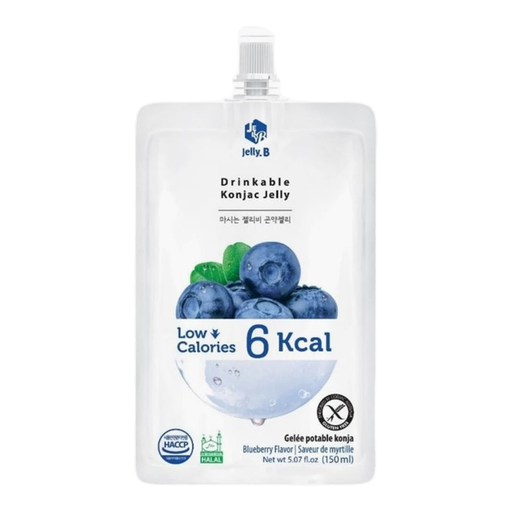
Why this choice suits this profile: Its individual 150 ml format is easy to take to the office, enjoy on the go or have after shopping.
The listing states 2 kcal per 100 ml and 0 g of sugar, but the recipe contains erythritol, sucralose and acesulfame-K. Make sure these ingredients are suitable for you.
150 ml serving, 2 kcal per 100 ml, no allergens declared on the listing and a konjac jelly texture.
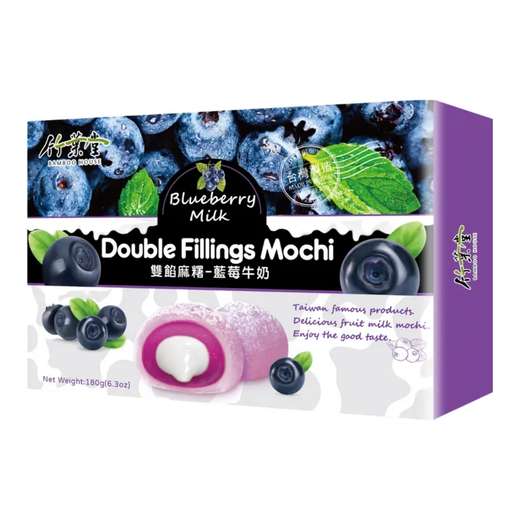
Why this choice suits this profile: This blueberry dessert combines several textures, from the glutinous rice exterior to the fruity centre and creamy filling. It pairs beautifully with tea or coffee.
The product contains milk and eggs, with 38.3 g of sugar per 100 g. Also check the storage conditions and texture before ordering.
Double filling, 180 g, origin listed as Taiwan and 332 kcal per 100 g according to the product listing.

Why this choice suits this profile: This multipack is ideal for cycling trips, hikes or training sessions when you need a ready-to-eat bar.
This is not a light little sweet: one bar provides 256 kcal and 18 g of sugar. Allergens include soy, oats, barley and almonds.
Pack of 12 units, 11 g of protein and 5 g of fibre per bar, with no preparation required.
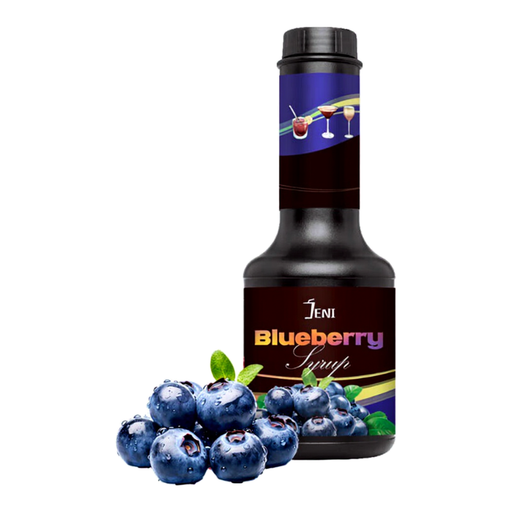
Why this choice suits this profile: This blueberry syrup lends itself to countless uses: sparkling water, milk, cocktails, crêpes, waffles or ice cream.
The listing states 68 g of sugar per 100 ml. It is therefore best diluted and carefully measured rather than consumed neat.
456 ml bottle, versatile uses and dilution guidance recommending five to seven parts water.
We have brought together an up-to-date selection of blueberry products so you can compare formats, ingredients and uses before making your choice.
Depending on your preferences, the selection also includes blueberry mochi, biscuits, sweets and drinks from Asia and Europe:
Jellies and drinks made with sweeteners often contain less sugar than sweets, mochi or syrups. Jelly.B lists 0 g of sugar per 100 ml, compared with 0.92 g for Cantabile. However, take the time to review the full list of sweeteners and follow the recommended serving size.
It depends on the specific product. Mon Panier d’Asie mochi must remain frozen at –18 °C and then be thawed in the refrigerator. Some mochi designed for storage at room temperature, such as Bamboo House products, should be kept in a cool, dry place. In all cases, follow the instructions on the label of the product you receive.
For an individual break, choose a 150 ml jelly, a 38 g biscuit or a 230 to 330 ml drink. To accompany physical activity, the CLIF bar multipack provides 12 individually portioned bars. In the kitchen, syrup and jam are more versatile, but their sugar content should be factored into the amount used.