
Livraison le jour même ou le lendemain

Qualité garantie

Débloquez vos offres de bienvenue: Livraison GRATUITE | Jusqu'à -80 % | 30 jours d'essai gratuits à JoyPlus
Téléchargez l'application
Keeping an eye on your health has become a priority for many of us. The idea of being able to do so with a smartwatch that measures blood glucose, without the usual finger pricks and hassle, is an appealing prospect. But be warned: the market is flooded with marketing promises that don't always deliver, and it's easy to end up with a disappointing purchase.
To avoid falling into these traps, here are the most common pitfalls to watch out for before pulling out your credit card:
To avoid being blinded by marketing hype, it's crucial to focus on objective technical specifications.
The holy grail promised by these watches is, of course, prick-free blood glucose monitoring. Unlike traditional glucometers that require a drop of blood, these "smartwatches" rely on optical sensors and other emerging technologies to estimate glucose fluctuations.
It bears repeating: these technologies only provide trends and estimates. They are no substitute for medical advice or certified devices, especially for individuals with diabetes who are on medication. Their real value lies in visualising long-term patterns (the impact of a meal, the effect of a workout) and encouraging a healthier lifestyle.
A health-focused smartwatch worthy of the name isn't limited to a single metric. The most advanced models pack a true arsenal of sensors for a 360° view of your fitness. Among the most useful are:
When it comes to battery life, don't just trust a single number. Demand two: one for standby and one for real-world use with active sensors. A battery life of 5 to 7 days with sensors running continuously is a good compromise to avoid the chore of daily charging. Finally, check for compatibility with your smartphone (iOS or Android) to ensure that data synchronisation via the dedicated app runs smoothly.
Rather than a random list, we've selected models that meet specific needs, all while sidestepping the pitfalls we've mentioned.
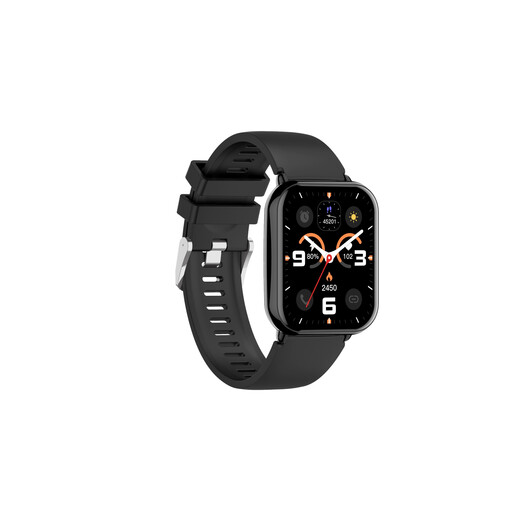
Why we chose it: Perfect for taking your first steps into health tracking. It combines the essentials (heart rate, SpO2, sleep) and adds practical features like Bluetooth calls and notifications. A unisex model that fits effortlessly into daily life.
The positioning is clear: this is a sports and wellness watch, not a medical device. Expectations are well-managed, avoiding any confusion about the purpose of the measurements.
Versatility: It combines health tracking, sports modes, and connected features (calls, notifications). Excellent value for money to get started.
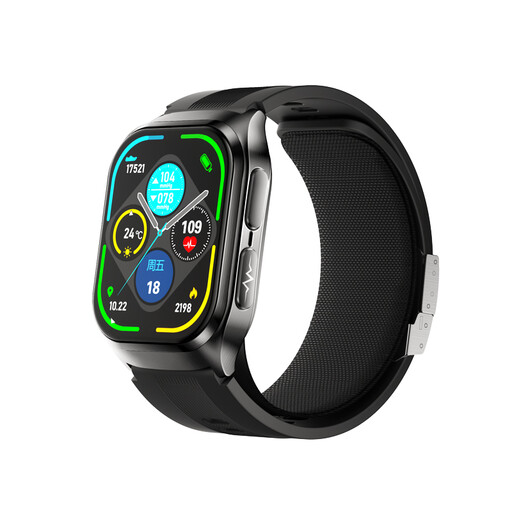
Why we chose it: Designed for those who want an ultra-comprehensive health dashboard. It estimates blood glucose, blood pressure, uric acid, and lipids, in addition to ECG and SpO2. The perfect choice for anyone who loves to collect and analyse their wellness data.
The spec sheet is transparent, stating that measurements are "for fitness and wellness purposes only, not as a medical device." This honesty is crucial and avoids the trap of making unattainable promises of medical accuracy.
Sensor arsenal: Estimates for blood glucose, blood pressure, uric acid, lipids, and ECG. "Pumping-Type" technology (micro-inflation) for blood pressure.
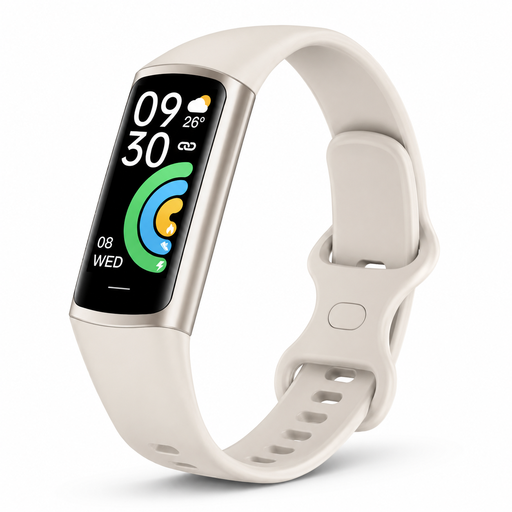
Why we chose it: The solution for those who hate daily charging. This elegant watch shines with its battery life, while still providing essential health metrics (heart rate, blood pressure, SpO2, temperature).
This model tackles the battery life problem head-on. By clearly advertising up to 7 days in normal use and 30 days in standby, it provides a realistic outlook and prevents the disappointment of a dead battery in two days.
Marathon battery life: Up to 7 days in use and 30 days in standby. Stunning AMOLED screen for optimal reading comfort.
Explore our full selection of watches that meet our rigorous selection criteria and comply with current regulations.
No, and this point is non-negotiable. To date, no consumer smartwatch is certified as a medical device for the diagnosis or management of diabetes. The blood glucose data they provide are non-invasive estimates, useful for observing wellness trends. For any medical decision (adjusting treatment, etc.), using a certified glucometer and consulting your doctor remain imperative.
It provides an indication of long-term trends, but its reliability varies. It depends on the technology (models with micro-pumps are considered more stable) and on following the proper measurement conditions. To diagnose or monitor hypertension, only a clinically validated cuff-based blood pressure monitor is authoritative. Think of the watch as a logbook, not a doctor's instrument.
It depends entirely on your usage. The dazzling number advertised for "standby" mode is often disconnected from reality. Continuous heart rate, SpO2, sleep, and especially GPS tracking are the most power-hungry features. For a women's smartwatch or men's model with active health tracking, a realistic battery life is between 3 and 7 days. Our advice: look beyond the promises and check the battery capacity (in mAh) as well as the battery life specified for "mixed use" or "active mode."