
Livraison le jour même ou le lendemain

Qualité garantie

Débloquez vos offres de bienvenue: Livraison GRATUITE | Jusqu'à -80 % | 30 jours d'essai gratuits à JoyPlus
Téléchargez l'application
Buying a blender? On the surface, nothing seems simpler. Except the market is saturated with often confusing marketing promises. Between the race for more watts, "do-it-all" appliances that promise the world, and flashy designs, it's easy to end up with a gadget that will just gather dust in the back of a cupboard. To avoid falling into this trap, let's review the most common pitfalls.
This guide is here to cut through the noise and help you identify the criteria that truly matter. The goal: to find the blender you'll never want to part with.
To make the right choice, forget the marketing jargon and focus on what's essential.
A blender's performance isn't just about watts. It's the perfect synergy between three elements that makes the difference:
The word "blender" actually covers several families of appliances, each with its own specialty.
A blender should be as easy to clean as it is to use.
To illustrate these criteria in practice, here are a few models that meet different needs and budgets.
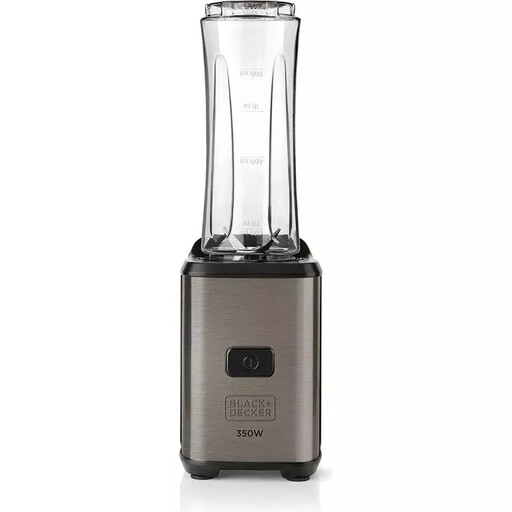
Who is it for? Perfect for a single person or a student who wants a fresh smoothie before heading to class or work. Its two included travel bottles make it the ideal companion for a life on the go.
This model gets straight to the point: making individual smoothies. And it does it well. No frills, no useless features that drive up the price.
Comes with two 600 ml bottles with leak-proof lids to blend and go. Ultra-simple to use: one button does it all.
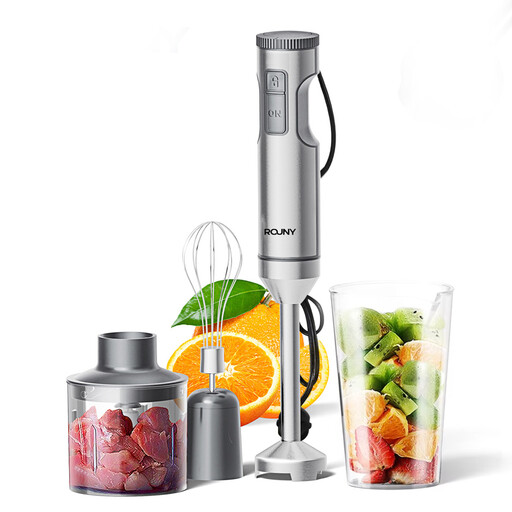
Who is it for? For the home cook who likes to do a bit of everything. From soups to sauces, chopping herbs, and whipping egg whites, its power and accessories cover a wide spectrum of preparations.
It avoids the cleaning nightmare with its fully detachable, dishwasher-safe accessories. Its high power (up to 1200W) isn't a gimmick: it makes it genuinely effective for all its functions.
A powerful motor (up to 1200W) that isn't afraid of demanding tasks. A complete 4-in-1 kit (blending shaft, chopper, whisk, beaker) for true versatility.
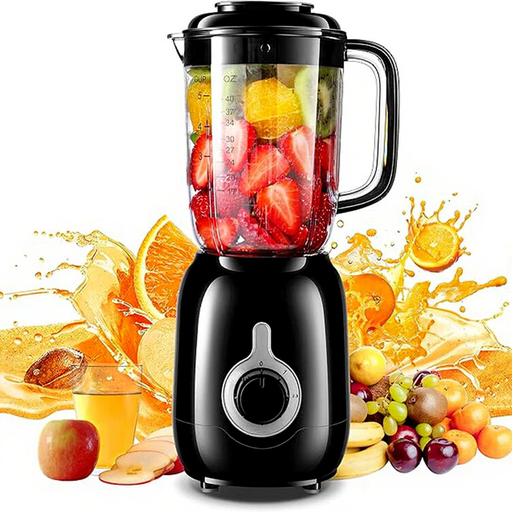
Who is it for? With its 1.2L jar, it's built for families or for preparing soups, smoothies, and sauces in large quantities. Its dedicated grinding and chopping cups give it welcome versatility.
It focuses on balance rather than raw power. Its 500W are intelligently used thanks to multiple speeds, a Pulse function, and dedicated cups. Proof that watts aren't everything.
Its 1.2L family-sized capacity and its specialised cups (grinding, chopping) make it a much more versatile countertop appliance than a simple smoothie blender.
Explore our full selection of mixers and blenders, all chosen for their performance and compliance with safety standards.
It all depends on your menu. For smoothies with soft fruits and liquids, 300 to 500 watts is enough. But if you plan on crushing ice, nuts, or raw root vegetables, aim for at least 800 watts. This ensures a smooth result and a motor that will last.
Absolutely not! Trying this with an entry-level model is the surest way to break the blades or burn out the motor. For a true ice-crushing blender, you need a device with at least 800 watts, thick stainless steel blades, and, if possible, a dedicated "Pulse" or "Ice Crush" function.
The secret is to act fast. Clean it as soon as you're done using it! Fill the jar halfway with warm water and a drop of dish soap, run it on high speed for 30 seconds, then rinse. That's it. For a deep clean, choose a model with dishwasher-safe removable parts. It's the only way to prevent residue from building up under the blades and eventually starting to smell.