Herbal tea drinkers looking for an after-lunch cup
You’re mainly looking for a flavour you’ll enjoy every day. The dominant herbs, any flavourings and the number of tea bags can help you choose between recipes.


To enjoy with lunch, start by choosing the flavour profile you fancy: an easy-to-identify herbal blend, a fruity or spicy recipe, or a tea with instructions for drinking it cold if you’re taking it with you. Then check the ingredients. Some recipes contain liquorice, flavourings or tea, despite names that suggest they’re purely herbal.
You’re mainly looking for a flavour you’ll enjoy every day. The dominant herbs, any flavourings and the number of tea bags can help you choose between recipes.
If you prepare your drink before you leave or want to enjoy it cold, choose a product whose instructions clearly explain how to make it that way.
If you want to avoid liquorice or tea, check every ingredient list. The recipe name alone isn’t enough to tell these blends apart.
When choosing a herbal tea for lunch, start with the flavour you’re after. If you’re taking it with you, check how to prepare it and look out for any ingredients you want to avoid.
| Criteria | What to check | Who is it for? |
|---|---|---|
| Flavour and variety | The first ingredients on the list and whether flavourings are included. | If I want to vary what I drink at lunchtime, I want to know whether the herbs listed match the flavour I’m looking for. Around 45% of consumers put flavour and variety first. |
| Preparing a drink to take with you | Whether the recipe has specific instructions for drinking it cold and, where applicable, how long it can be kept before drinking. | If I eat lunch out, I need to be able to prepare my drink without improvising a cold-brewing method. This is the top priority for around 33% of consumers. |
| Ingredients and precautions | Whether it contains tea or liquorice, and any warnings on the packaging. | I want to avoid a particular ingredient or tell a herbal tea apart from a blend containing tea. Ingredients are the top priority for around 22% of consumers. |
A fruity or spicy-sounding recipe may also contain tea or liquorice. For example, Twinings lists oolong tea and liquorice in its pear, honey and cinnamon recipe.
Read the full ingredients list and look for the herbs, tea and flavourings that matter to you.
Liquorice is included in some herbal infusions. Anses warns that excessive consumption can lead to high blood pressure and reduced potassium levels in the blood, among other effects.
Check every box for this ingredient, especially if you also consume other products containing liquorice. If you have questions about your medical circumstances, seek advice from a healthcare professional.
Simply saying that a drink can be enjoyed cold doesn’t explain how to brew it or how long to keep it. Instructions vary from one product to another.
Follow the instructions for your chosen recipe when preparing and drinking it before taking it with you for lunch.
Availability of a supermarket’s own-brand product can vary depending on the store or collection service.
If its ingredients are important to you, check that the product is available at the store where you plan to shop.
A range of recipes with different flavour profiles. It’s worth checking each one individually rather than treating them all as a single range of herbal teas.
Own-brand blends, some of which provide detailed proportions for the herbs they contain.
A range of tea bags with a variety of recipes. Compare the ingredients to find one that suits your tastes.
An option for shoppers looking for preparation instructions for a specific herbal blend.
Tea bags to suit different tastes, including mint and cinnamon or verbena blends.
These products let you compare herbal blends, fruity flavours and infusions designed to be enjoyed cold. If you’re taking one with you for lunch, always check the instructions on the box you choose.
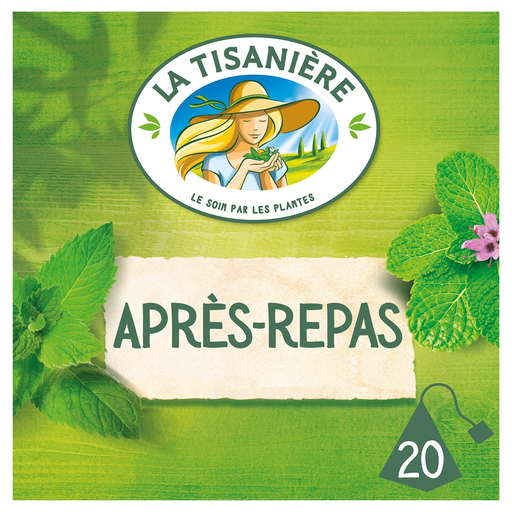 Image unavailable
A blend to consider if you like to alternate between hot and cold drinks at lunchtime. If you’re taking it with you cold, follow the instructions for this recipe. Also check whether it contains liquorice if you need to limit your intake.
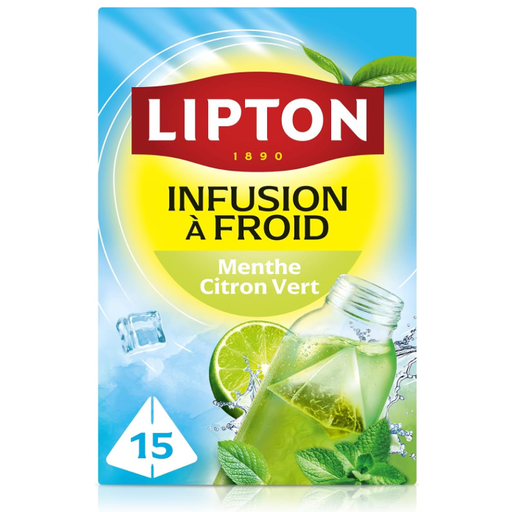 Image unavailable
This infusion is made directly with cold water, making it a handy drink for lunch out. Follow the instructions on the box for the amount of water and brewing time. If you’d like to drink it hot, check whether hot preparation instructions are provided.
 Image unavailable
This verbena and mint recipe is a good choice if you like to know which two herbs are in your blend. Check the packaging for the brewing temperature and time. If you plan to drink it cold, also check the instructions for preparing it that way.
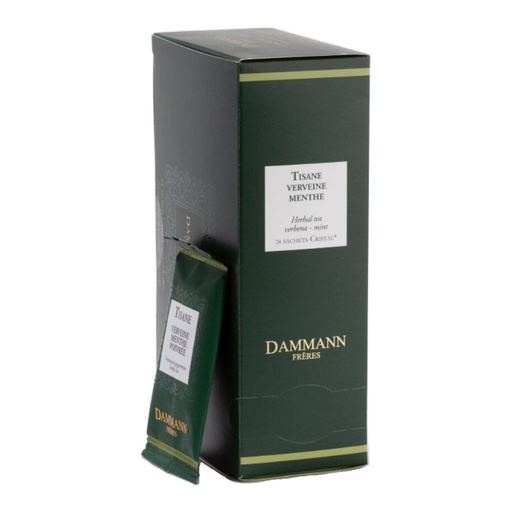 Image unavailable
Another verbena and peppermint combination to compare for your lunch break. If you plan to serve it cold, check the packaging for preparation instructions and guidance on when to drink it.
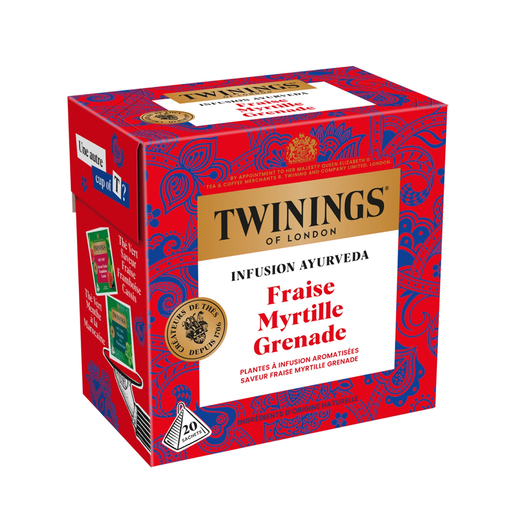 Image unavailable
This fruity recipe offers an alternative to verbena and mint blends. Read the ingredients list if flavourings or liquorice may affect your choice, and check the box for preparation instructions.
Read the ingredients list rather than relying on the recipe name. The French Ministry of the Economy says that food ingredients are listed in descending order by weight, so the first items give you an idea of which ingredients make up the largest part of the blend.
Yes, if the instructions for your chosen product say you can. Twinings’ mint, liquorice and lime recipe and La Tisanière Nuit calme describe brewing the infusion hot, then cooling it, and say it should be consumed within 8 hours. Follow the instructions for your own box rather than applying this method to another recipe.
No. Check the ingredients for each recipe. Twinings lists oolong tea in its pear, honey and cinnamon infusion. If you’re looking for a herbal blend with no tea, don’t rely on the word ‘infusion’ alone.
Look for liquorice in the ingredients list and consider how much you consume from other products containing it. Anses warns that excessive liquorice consumption can lead to high blood pressure and reduced potassium levels in the blood. If you have questions about your medical circumstances or medication, seek advice from a healthcare professional.