
Livraison le jour même ou le lendemain

Qualité garantie

Débloquez vos offres de bienvenue: Livraison GRATUITE | Jusqu'à -80 % | 30 jours d'essai gratuits à JoyPlus
Téléchargez l'application
Blackheads usually appear on the nose, forehead and chin, especially when the skin produces a lot of sebum or dead skin cells build up. There is no shortage of ways to tackle them: purifying masks, suction devices, silicone accessories and ultrasonic tools. The risk? Choosing a product that is unsuitable, irritating or difficult to clean.
Before placing your order, it is worth separating marketing promises from features that can actually be verified.
A mask that mattifies the skin significantly, or a patch that removes visible residue, can create the impression of a deep clean. That does not mean your pores will remain unclogged over time. A regular routine suited to your skin will generally be more effective than a one-off treatment that is too harsh.
Electric blackhead removers often highlight their pressure or power. However, high suction is not necessarily suitable for the face. If the nozzle remains in the same place for too long, you risk causing redness, marks or irritation. The intensity levels, nozzles and usage instructions are far more important than a figure printed on the box.
A reusable accessory should be easy to rinse and dry. Nozzles, filters and other accessories should also be cleaned after every use. For masks and exfoliators, check the ingredient list, particularly for acids, fragrances or essential oils if your skin is easily irritated.
No device or accessory can replace a gentle pore cleanser. Your treatment should form part of a routine that includes cleansing, moisturising and sun protection when exfoliating acids are used.
For a reusable accessory, choose a non-porous surface that is easy to wash. Silicone can be rinsed with lukewarm water and a mild soap. However, do not boil it or sterilise it at high temperatures unless the instructions allow this, as it could damage the material.
For devices, check whether they have replaceable nozzles, filters and detailed instructions. A water-resistance certification only applies to the components explicitly covered by the manufacturer. For example, an IPX5-certified device is not necessarily designed to be immersed in water.
Clay, kaolin and bentonite are commonly used in purifying pore masks to absorb sebum. AHA, BHA and PHA acids can help exfoliate the skin’s surface, but their use should be introduced gradually. Avoid combining several exfoliators on the same day.
For a treatment designed for enlarged pores, pay particular attention to how your skin reacts, the product’s texture and the recommended frequency of use. Skin that feels tight or becomes red does not indicate that you should intensify your cleansing routine.
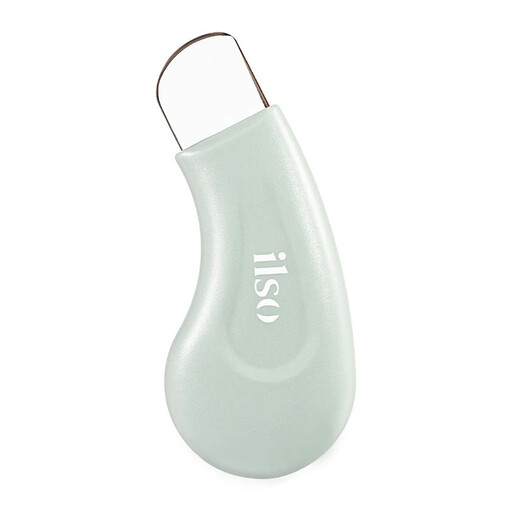
Why it suits this profile : this manual tool fits easily into a pore-cleansing routine, with no battery or electronic settings required. Use it with a foam, oil or cleansing cream.
You control the pressure directly, so there is no need to rely on overly powerful suction. The silicone can be rinsed after every use.
Two sides with bristles in different sizes, silicone construction and a reusable design.
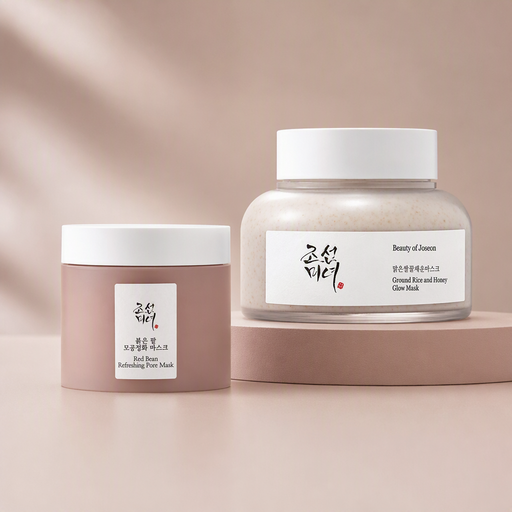
Why it suits this profile : this duo lets you alternate between two rinse-off masks as part of a structured routine focused on purification and gentle exfoliation.
The instructions and recommended leave-on time are specified for each mask, helping you maintain a sensible frequency of once or twice a week.
Two mask formats, kaolin and a rinse-off texture designed to be used with a gentle massage.
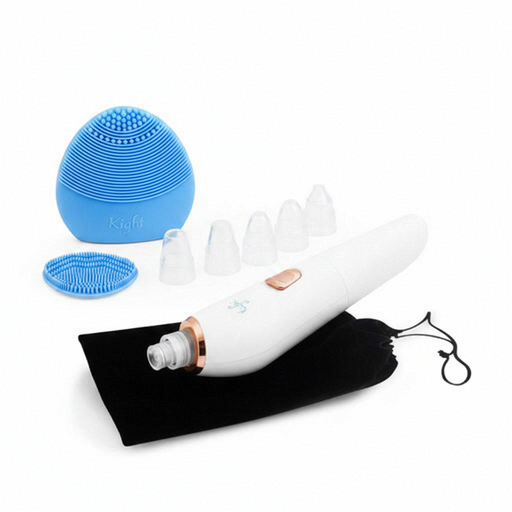
Why it suits this profile : its two-in-one design is ideal for people who want to combine a cleansing brush and extractor in a single device to treat different areas of the face.
Four intensity levels let you start gently. The instructions recommend not leaving the nozzle in the same place for more than one or two seconds.
Advertised suction of up to 60 kPa, six extraction nozzles, two brush heads and replacement filters.
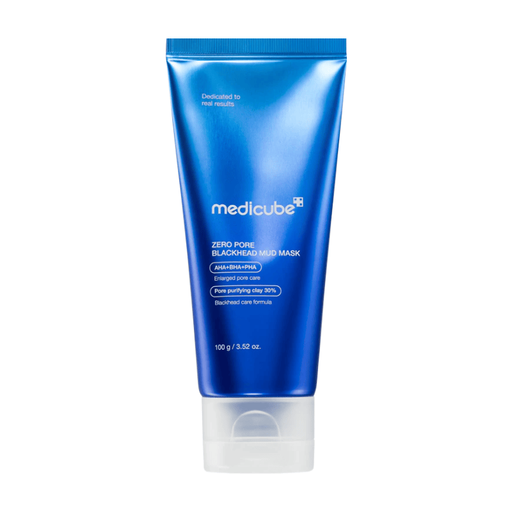
Why it suits this profile : this clay face mask has a leave-on time of around three minutes, making it suitable for targeting the T-zone without turning your routine into a lengthy treatment.
The recommended frequency is limited to one or two applications a week. The manufacturer also advises testing the product beforehand on a small area.
Kaolin and bentonite, with AHA, BHA and PHA acids listed in the ingredients.
We have put together a complete, real-time selection of products that meet these demanding criteria and European safety regulations.
Never use an extractor on irritated, damaged or sunburnt skin. If redness or discomfort persists, stop the treatment immediately. People prone to rosacea or eczema, as well as those undergoing acne treatment, may wish to seek advice from a healthcare professional before using a suction device.
A clay mask or silicone accessory can be included in a routine designed to help limit excess sebum. Start gently and avoid layering several exfoliating products.
This is generally not recommended with a suction device. Follow the instructions, start at the lowest setting and avoid going over the same area several times. A manual silicone tool can be used more regularly, provided you do not apply excessive pressure.
It depends on the condition of the silicone, nozzles, filters and motor. Clean every component after use, allow it to dry completely and replace worn accessories. For cosmetics, check the expiry date and batch number shown on the packaging.