People who enjoy a strong cup of tea
You want a pronounced tea flavour and the option to adjust the amount of tea or the brewing time. Carrefour and Twinings offer preparation advice to help you tailor the strength of some of their products.


If taste is your priority, choose a black tea whose strength you can adjust by changing how you prepare it. If the person would rather avoid black tea, check the ingredients in an herbal infusion instead. For an older person, a strong cup should also be chosen with their caffeine tolerance and the time they drink it in mind. Tea and herbal infusions can be part of your daily drinks, as Manger Bouger points out, but they cannot, on their own, meet a specific nutritional need.
You want a pronounced tea flavour and the option to adjust the amount of tea or the brewing time. Carrefour and Twinings offer preparation advice to help you tailor the strength of some of their products.
You enjoy a hot drink, but black tea may not suit every time of day. Anses notes that caffeine can delay falling asleep and reduce both sleep duration and quality.
You want to offer a range of drinks throughout the day. Assurance Maladie says older people may be less sensitive to thirst; Manger Bouger includes tea and herbal infusions among the drinks that contribute to fluid intake.
First decide between black tea and a drink without black tea. Then check how to get the strength you want without overlooking the person’s tolerance.
Consider this: if tea flavour is the priority and the person tolerates caffeine. For Lipton Yellow Label, Carrefour recommends brewing for 1 to 3 minutes, depending on how strong you like it.
Bear in mind: changing the brewing method affects the taste of your cup, but does not tell you how much caffeine it contains.
Consider this: if the person prefers notes of lemon, bergamot or vanilla to the taste of unflavoured black tea.
Bear in mind: flavourings do not remove caffeine from black tea, and the recipe may contain other ingredients too. For example, Twinings’ vanilla-flavoured tea contains liquorice.
Consider this: if the priority is to add variety to hot drinks while avoiding black tea.
Bear in mind: the flavour depends on the plants used. An “herbal infusion” will not necessarily have the same bold taste as black tea. Check the ingredients in each blend.
| Criteria | What to check | Who is it for? |
|---|---|---|
| Bold flavour | Whether it contains black tea, and any guidance on the amount to use or brewing time; the word “intense” does not tell you how strong the cup will be. | I want a pronounced tea flavour, while still being able to adjust the preparation to suit my preferences. Around 42% of consumers put this need for an adjustable flavour first. |
| Caffeine and sleep | The ingredients list, particularly for flavoured blends, and then when the drink is consumed, depending on personal tolerance. | If tea affects my sleep, I look for another hot drink in the evening. For nearly 33% of consumers, caffeine tolerance comes before strength. |
| Drinking regularly | A flavour the person enjoys and a preparation format that suits their everyday routine. | When I don’t feel very thirsty, a hot drink I enjoy can help me vary what I drink. Around 25% of consumers prioritise how easy it is to drink. |
Black tea is also made by infusion and naturally contains caffeine. A bold flavour does not tell you what a product contains.
Read the ingredients before choosing: distinguish black tea from the plants in an herbal infusion, then take the person’s tolerance into account.
According to Anses, caffeine can delay falling asleep and reduce both sleep duration and quality. Wanting to vary your drinks does not mean individual sensitivity can be ignored.
If tea affects sleep, save it for a time of day when it is better tolerated and check the ingredients of another hot drink for the evening.
Tea or an herbal infusion can be part of your daily drinks, but an intense flavour does not indicate its nutritional value, nor does it replace care for someone who is malnourished.
If someone is frail, malnourished or following a medical diet, seek medical or dietary advice suited to their situation rather than relying on a claim on the packaging.
These products illustrate different ingredients and preparation methods. The brand alone does not tell you how strong a cup will be.
A useful point of comparison for bagged black teas, where you can adjust the brewing time.
Loose-leaf or flavoured black teas to consider, depending on the flavour and ingredients you are looking for.
An organic Earl Grey black tea listed by E.Leclerc, which you can compare by ingredients and format.
These unflavoured and flavoured black teas are for people who are mainly looking for a pronounced tea flavour. For each one, consider the caffeine content and check the preparation advice before making it a regular drink.
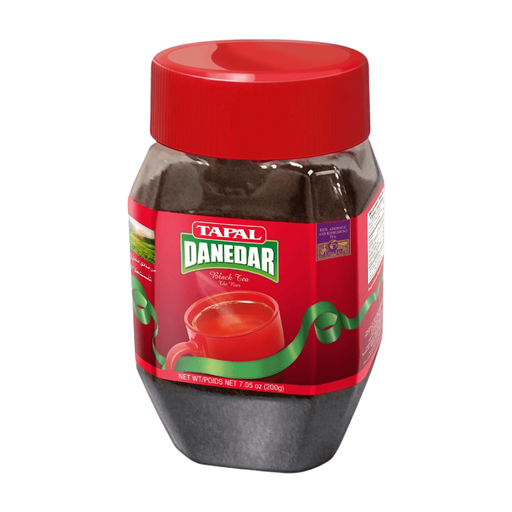 Image unavailable
Consider this if you want to measure out the leaves yourself and make a cup to suit your taste.
Loose black tea, 200 gr. Black tea contains caffeine, so adjust consumption to suit the person’s tolerance.
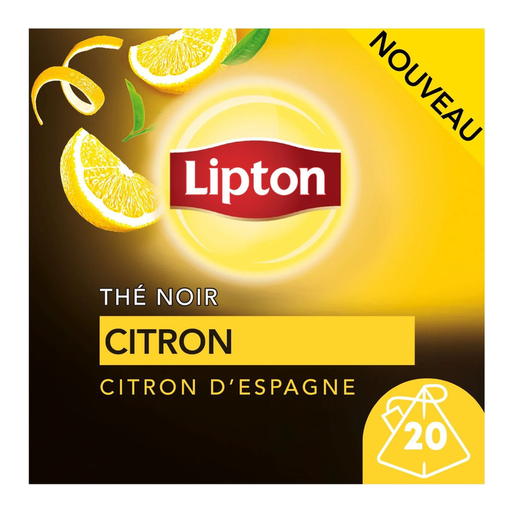 Image unavailable
Worth considering if you prefer a hint of lemon to the taste of unflavoured black tea.
Lemon black tea, pack of x20, 34g. Flavouring does not remove the caffeine from black tea.
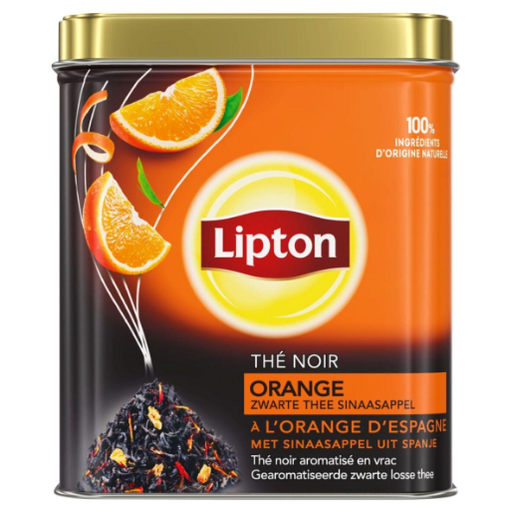 Image unavailable
This loose-leaf tea is suitable for someone who wants to choose the amount of leaves themselves and prefers a hint of orange.
Loose orange black tea, 150g. Consider the caffeine content when choosing when to drink it.
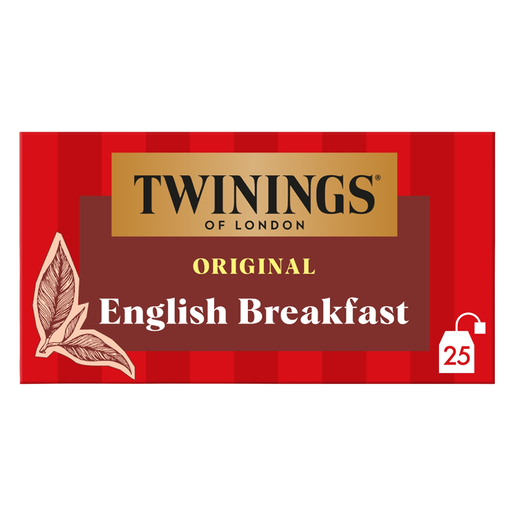 Image unavailable
The tea bag format may suit you if you would rather not measure out loose leaves.
English Breakfast black tea, box of 25 tea bags. Check the brewing advice on the packaging and bear the caffeine content in mind.
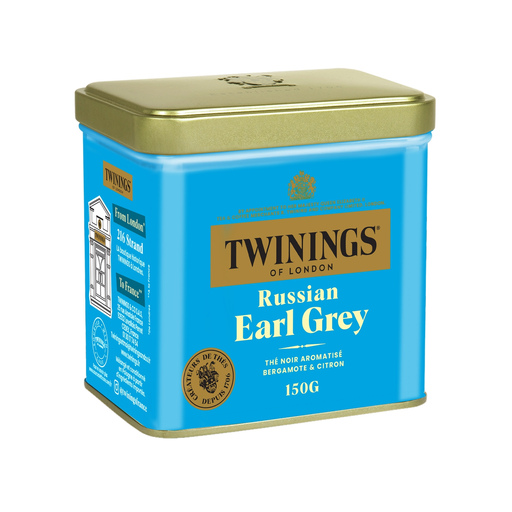 Image unavailable
Consider this if you are looking for the aromatic profile of Earl Grey rather than unflavoured black tea.
Russian Earl Grey black tea, 150g tin. Check the packaging for preparation format and brewing advice; this tea contains caffeine.
No: “strong” describes the impression of the flavour, not what the drink contains. A product made with black tea naturally contains caffeine. For an herbal infusion, check the plants and any other ingredients listed on the box.
Yes. Manger Bouger says they can contribute to fluid intake. Assurance Maladie reminds us that older people may feel less thirsty, so it is important to consider all the drinks they have and their individual needs.
An herbal infusion without black tea is worth considering if the person wants to avoid black tea, particularly if caffeine affects their sleep. Anses notes that caffeine may affect how easily you fall asleep. If the person is taking medication or you have questions about their health, ask a healthcare professional for advice and check the herbal infusion’s ingredients too.
Start with the product name, ingredients list, any allergens and the preparation instructions. The Ministry of the Economy says allergenic ingredients must be highlighted; DGCCRF notes that tea and herbal or fruit infusions may be exempt from nutritional labelling.