
Livraison le jour même ou le lendemain

Qualité garantie

Débloquez vos offres de bienvenue: Livraison GRATUITE | Jusqu'à -80 % | 30 jours d'essai gratuits à JoyPlus
Téléchargez l'application
Biscuits and cookies from around the world let you explore new flavours without buying lots of things at random. European recipes, Asian specialities, Latin American treats and curiosities from further afield : there’s plenty to choose from. But with colourful packaging and sometimes tempting flavour descriptions, comparing products isn’t always easy. A large pack can be awkward to store, a generous filling can mean more sugar, and imported recipes may call for extra care when checking allergens.
Before you fill your basket, a few simple checks can help you choose a biscuit assortment, indulgent cookies or savoury specialities that really suit your habits.
A label such as “strawberry flavour”, “yoghurt flavour” or “chocolate flavour” doesn’t guarantee that the named ingredient is present in large quantities. The best approach is to check the ingredients list and, where available, the quantitative ingredient declaration.
Some biscuits state the percentage of cocoa, hazelnuts, cheese or fruit, for example. That’s much more informative than the picture on the packet.
A 70 or 96 g pack is ideal for trying something new. By contrast, a 403 or 799 g pack is better suited to sharing or stocking up. Once opened, filled biscuits and cookies can quickly lose their crunch.
So check whether the pack has a resealable pouch, or plan to use an airtight container.
Recipes may contain wheat, milk, eggs, soya, peanuts, nuts or sesame. They can also vary depending on the country of manufacture.
If you have an allergy, always check the label on the pack you receive, especially any “may contain traces” warning, rather than relying only on the product image shown online.
With a coffee or tea, butter biscuits and shortbread are appealing for their dry, crumbly texture. Filled biscuits, chocolate cookies and fruit recipes are an easy choice for afternoon tea, a sweet treat or a quick dessert.
For an aperitif, it’s best to look for savoury snacks with a clearly stated salt content.
A small pack lets you try several international sweet treats without ending up with lots of half-open packets. A larger pack makes more sense for a family, a get-together or biscuits to share.
The nutrition table, usually given per 100 g, makes it easy to compare recipes on a like-for-like basis. In particular, check :
Of course, these figures don’t tell you everything about the taste. But they can make it easier to choose between an occasional treat, a biscuit for afternoon tea or a product you plan to enjoy regularly.
For imported biscuits, check the country of origin and the contact details of the manufacturer or the responsible person in the European Union, where provided.
Store packets in a cool, dry place away from heat and light. When your order arrives, also check the best-before date printed on the packaging : that’s the date to go by.
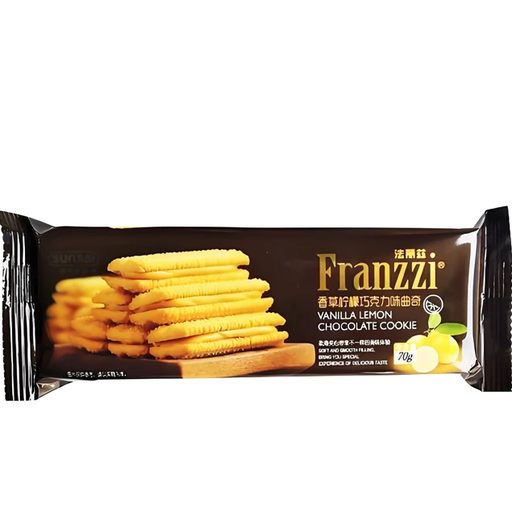
Why this is a good fit for this type of shopper : At 70 g, this pack lets you try the combination of chocolate, vanilla and lemon without committing to a larger size.
The smaller pack reduces the risk of being left with a whole packet if the recipe isn’t to your taste. The product details also state that it contains 4 % cocoa and lists wheat and soya as allergens.
A crunchy biscuit with a vanilla and lemon-flavoured filling, in a pack that’s ready to enjoy straight away.
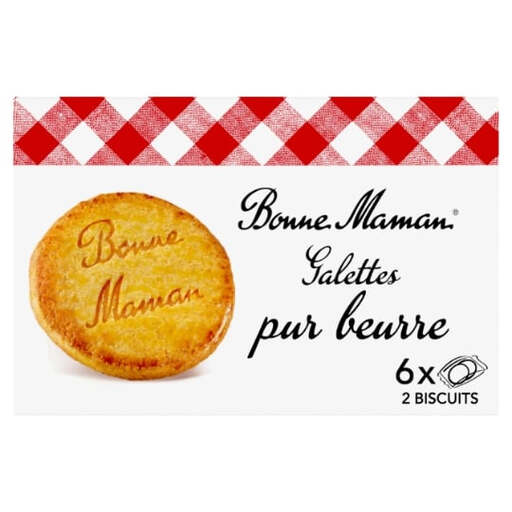
Why this is a good fit for this type of shopper : This French recipe keeps the ingredients list short and states a butter content of 31 %.
The ingredients list lets you check that these really are butter biscuits, rather than relying on the look of the packaging alone.
A 170 g pack containing 12 biscuits, made in France. The product details also state that it contains no artificial colours or preservatives.
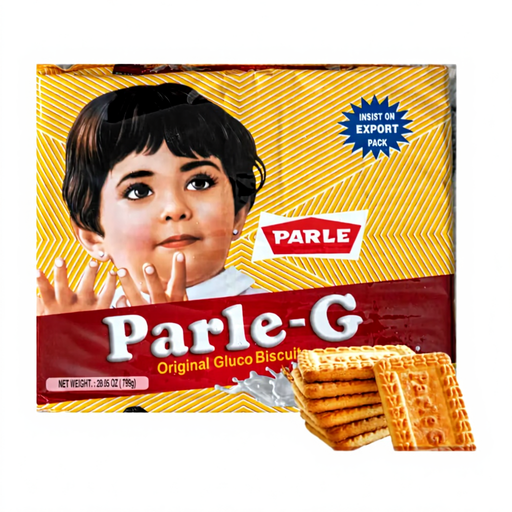
Why this is a good fit for this type of shopper : This large pack is ideal for family cupboards, regular afternoon treats and occasions when several people will be helping themselves.
The net weight is clearly stated, making it easier to work out the cost per portion. Once opened, an airtight container will help keep the biscuits crunchy.
A 799 g pack, with 67 % wheat flour according to the description, that’s just as good with tea as it is in lunchboxes.
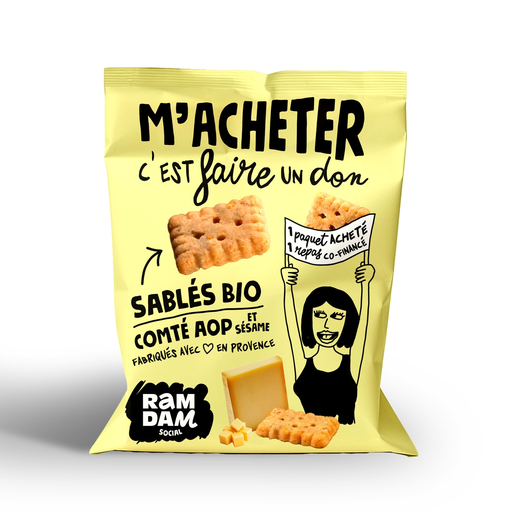
Why this is a good fit for this type of shopper : These savoury shortbread biscuits offer a change from sweet treats and go just as well with a cheeseboard as with a French-style aperitif.
The product details specify the ingredients: 19 % Comté, 3.4 % sesame and 1.9 g of salt per 100 g. Useful facts to have before you order.
A recipe described as organic, made in France, with a crunchy texture and notes of cheese and sesame.
We’ve put together a comprehensive selection, updated in real time, of products that meet these exacting criteria and comply with European safety regulations.
Transfer them to an airtight container and keep it in a dry cupboard, away from heat and light. Filled or coated products are often more sensitive to high temperatures. Remember to follow any storage instructions on the packaging, too.
A 300 to 800 g pack can work well if you eat biscuits regularly and have enough storage space. To try different flavours or avoid waste, choose several smaller packs of biscuits for afternoon tea.
Start by comparing the price per unit of weight, then look at the ingredients, number of portions and storage requirements. A large pack is only good value if you’ll finish it before the biscuits lose their texture.