
Livraison le jour même ou le lendemain

Qualité garantie

Débloquez vos offres de bienvenue: Livraison GRATUITE | Jusqu'à -80 % | 30 jours d'essai gratuits à JoyPlus
Téléchargez l'application
Between chocolate biscuits, buttery recipes, filled biscuits and specialities from Asia, comparing products is not always easy. Attractive packaging does not necessarily guarantee the format best suited to your habits, convenient storage or ingredients compatible with your requirements.
Before filling your basket with biscuits and cookies, three common pitfalls are worth bearing in mind:
Here are the criteria to consider for more confident shopping, taking eating habits in France into account.
Net weight alone is not enough to judge how practical a product is. Also check the number of sachets, whether individual portions are included and the storage conditions.
After opening, most biscuits should be stored somewhere dry and cool, away from heat and light. An airtight container helps preserve their texture, but it does not replace the best-before date shown on the packaging.
Start by identifying the style of biscuit that suits you:
The advertised texture — crisp, delicate, soft or flaky — should match the intended use. To enjoy with a coffee, a dry, sturdy biscuit may prove more practical than a filling that could soften.
In France and the European Union, allergens must be highlighted in the ingredients list. These include wheat and cereals containing gluten, milk, eggs, soya, nuts and sesame.
A product marketed as gluten-free should always be checked carefully against its labelling and product information. For CHEONGWOO Original Rice Cake Biscuits, the product information states that the recipe is based on rice flour and that no allergens are declared. It is still recommended that you check the packaging received, particularly in cases of sensitivity or allergy.
Also compare nutritional values per 100 g, rather than looking only at the figures per portion. By way of indication, product information shows differences between recipes: LU The Original Petit Beurre lists 440 kcal and 23 g of sugars per 100 g, while Michel et Augustin Chorizo Paprika Biscuit lists 500 kcal and 1.9 g of salt per 100 g. This information helps distinguish a sweet snack from a savoury biscuit, without turning the label into health advice.
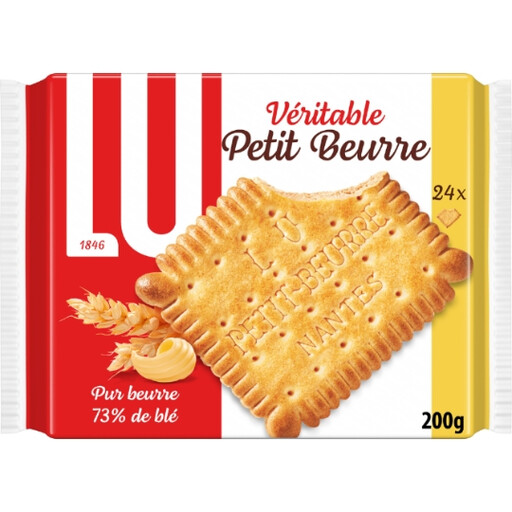
Why this choice suits this profile : With its 200 g format and familiar recipe, this versatile biscuit is an easy place to start. It is just as enjoyable on its own as it is with a hot drink.
The product information specifies the weight, ingredients and storage conditions. This allows you to compare the actual contents rather than relying on the appearance of the pack.
Butter recipe, 200 g format, origin listed as France and detailed nutritional values per 100 g.
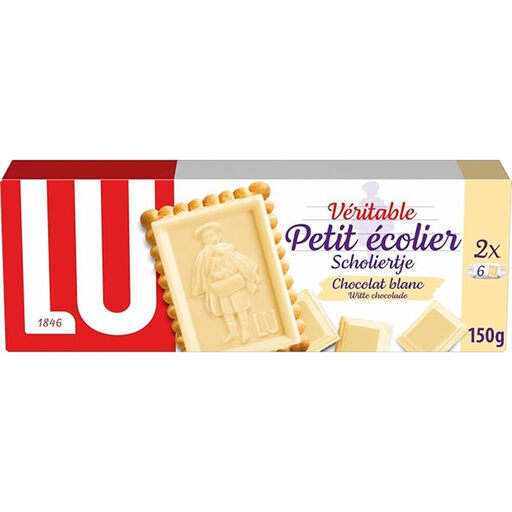
Why this choice suits this profile : This biscuit combines a buttery base with a layer of white chocolate, creating an indulgent break with contrasting textures that is easy to share.
The product information details the stated proportions of biscuit and white chocolate, as well as the presence of milk and soya, which should be taken into account depending on your dietary requirements.
150 g format, white chocolate listed at 45% and biscuit base at 55%, according to the product information.
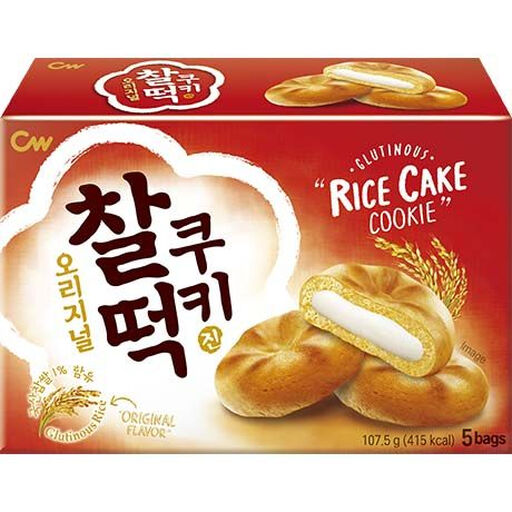
Why this choice suits this profile : The individual sachets are equally suitable for family cupboards, office breaks and fans of Korean specialities to take with them.
The portion packaging means you do not have to keep reopening a large pack. The product information also recommends storing them somewhere cool and dry.
A texture described as light and crisp, rice flour, 18 bags of 5 pieces and 400 kcal per 100 g, according to the product information.
For an alternative to classic recipes, Jiashili chocolate Chinese biscuits offer a fine, crisp texture. HSU FU CHI mini pancakes, meanwhile, come in three flavours: white sesame, black sesame and plain. For a savoury option, Michel et Augustin chorizo and paprika biscuits are better suited to aperitif occasions. If you are mainly looking for a compact format, the 46 g GERBLE Chocolate Milk Pocket Biscuit may also be worth considering.
We have put together a complete, real-time-updated selection of products that meet these selection criteria as well as European safety regulations.
Choose a format that is easy to open, a suitable portion size and a clearly readable ingredients list. Individual biscuits or small sachets are practical in a school bag, while a family pack is better suited to eating at home. Always check the allergens and nutritional information on the packaging.
Reseal the pack carefully or transfer the biscuits to an airtight container. Store them in a dry cupboard at room temperature, away from heat sources and moisture. Filled biscuits and chocolate-coated products also require particular care when temperatures rise.
Sweet biscuits generally highlight sugar, chocolate, butter, fruit or spices. Savoury biscuits tend to focus on salt, herbs, onion, paprika or cured meats. Compare the salt and fat content to choose a product suited to the occasion.