
Livraison le jour même ou le lendemain

Qualité garantie

Débloquez vos offres de bienvenue: Livraison GRATUITE | Jusqu'à -80 % | 30 jours d'essai gratuits à JoyPlus
Téléchargez l'application
Biscuits and chocolates always have a place in British cupboards – whether for afternoon tea, a coffee break, an impromptu dessert, or a little gift to share. But the packaging alone isn't enough to make the right choice. An attractive-looking pack can turn out to be too small for sharing, a recipe might hide an unexpected allergen, and an imported product can display less familiar information.
Here are the key things to check before ordering chocolate bars, chocolate-filled biscuits, or snacks from abroad.
A 150–200 g pack might seem ideal for a family, but you also need to look at how many individual bags or pieces it contains. Single-serving formats are handy for snacking on the go, while a 200 g bar is better suited to sharing at home.
For gifts, individually wrapped items are also easier to hand out. On the other hand, a small 30–50 g pack helps reduce waste when you're just after a little treat for an occasional break.
Phrases like "intense flavour", "traditional recipe" or "international style" give you an idea of what to expect, but they don't replace reading the ingredients list. The ingredient list lets you spot the presence of cocoa, nuts, milk, eggs, or vegetable oils.
Imported products may also use different names from those you're used to in the UK. So it's best to check the product page and the label you receive before tasting, especially if you have an allergy.
Chocolate doesn't like heat, humidity, or major temperature changes. A bar left near a radiator can develop a white bloom on the surface, while a biscuit quickly loses its crunch after opening.
The "best before" date relates primarily to the product's quality. Always check the date printed on the packaging, store your treats in a dry place, and seal opened packs carefully. For a frozen cake like the Daim Chocolate Cake with Crunchy Caramel, the rules are different: it must be kept at −18 °C or below, then placed in the fridge after defrosting, following the manufacturer's instructions.
Start by deciding when and how the product will be eaten:
Allergens must be checked before you buy. In the selection shown here, several recipes contain milk, soya, wheat or gluten, eggs, or nuts. The TR Miskets Cornet MilkChocolate Dubai Style 50 g product notably contains pistachio and sesame, while the Daim Chocolate Cake contains almonds, eggs, milk, and soya.
The online product page is a useful starting point, but the label on the product you receive is the definitive reference. Ingredients and presentation can change.
Comparing products per 100 g allows you to evaluate them on a common basis. In this category, the recipes generally have a high carbohydrate and sugar content, which is consistent with their positioning as sweet snacks. However, the differences are still significant: LU LULU L’OURSON shows 392 kcal per 100 g, compared with 527 kcal per 100 g for GRANOLA Kango, according to the information provided.
This data is not a substitute for medical advice. It simply helps you adjust quantities, compare sizes, and choose a portion that suits each occasion.
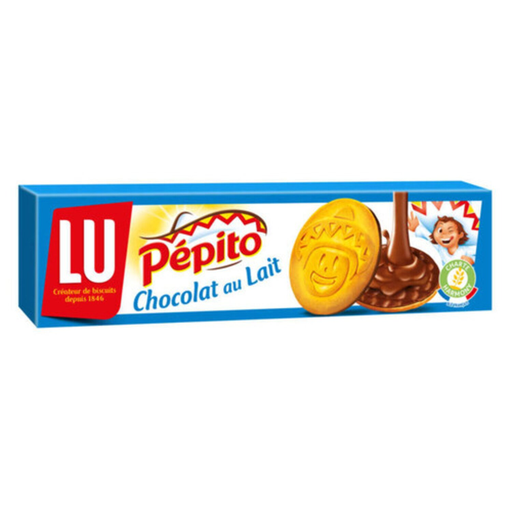
Why this choice suits this profile: At 192 g, this pack works well for a first family purchase or for several tea-times. Its chocolate biscuit recipe is easy to recognise.
The net weight is clearly stated, and the format avoids having lots of mini portions when the pack is intended to stay at home.
A biscuit made with wheat flour, cocoa, milk powder, and pastry butter. The "may contain nuts" statement appears on the product.
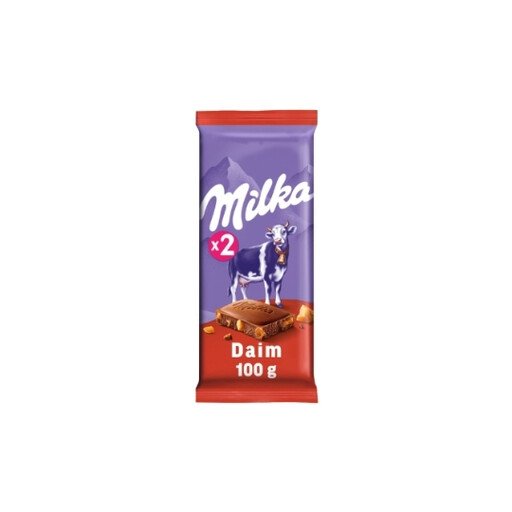
Why this choice suits this profile: The pack of two 100 g bars works equally well for enjoying yourself, sharing, or putting together a little gift.
The total weight of 200 g is clearly displayed, making it easy to compare with single bars.
Milk chocolate with cocoa butter, milk powder, and hazelnut paste. Store in a cool, dry place away from heat.
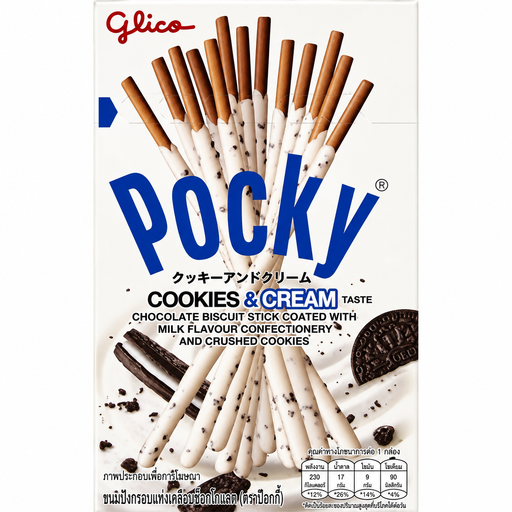
Why this choice suits this profile: The 40 g format and individually wrapped portions slip easily into a bag, desk drawer, or suitcase.
Individual sachets limit exposure to moisture after opening a large pack.
Crunchy biscuit sticks coated in a cookies and cream preparation. Contains wheat, milk, and soya.
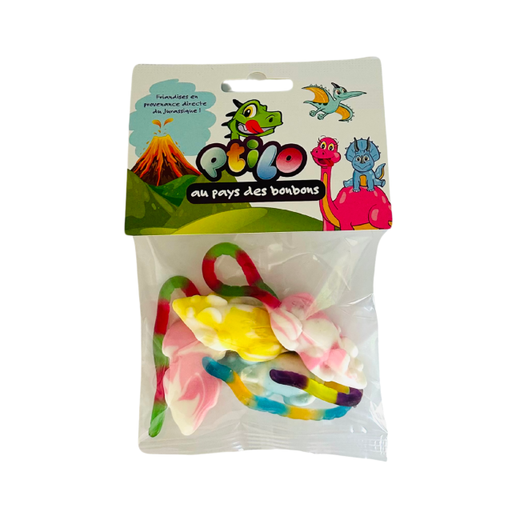
Why this choice suits this profile: Its mouse shape and individual packaging make it a lovely little gift for a visit or a special occasion.
The individual wrapping limits handling and allows you to hand out pieces without opening a large bag.
Mouse-shaped chocolate made in France, with milk and soya to consider in the ingredients.
We've put together a comprehensive, real-time updated list of products that fully meet these strict selection criteria and European safety regulations.
A 150–200 g pack, for example of chocolate-filled biscuits or chocolate cakes, generally gives you plenty of flexibility. Check the number of pieces, any potential allergens, and whether the pack can be resealed after opening.
Store it in a dry place at a moderate temperature, away from light. Seal the packaging carefully to limit exposure to odours and moisture. The printed date is your main guide, but also check the chocolate's appearance and smell before eating it.
Yes, as long as you choose a product with intact packaging, a legible date, and clearly accessible ingredients. Individual formats like Pocky, KitKat Strawberry, or certain original confectionery items make sharing easy. If the recipient has allergies, always ask about their restrictions and check the label before making your choice.