People keeping an eye on their sugar intake
You’d like to enjoy a biscuit with your coffee without relying solely on the claim on the front of the pack. The ‘of which sugars’ line and the portion you eat can help you compare products.


To go with your morning coffee, first choose the type of product that suits you, then compare the on-pack claim and the amount of sugars per 100 g. A biscuit labelled ‘reduced in sugars’ may still contain sugar; a ‘sugar-free’ recipe may use polyols, while with crispbreads you’ll need to factor in the topping. Savoury crackers are intended for a different occasion, and their name alone tells you nothing about their sugar content.
You’d like to enjoy a biscuit with your coffee without relying solely on the claim on the front of the pack. The ‘of which sugars’ line and the portion you eat can help you compare products.
You prefer an oat or seed recipe, or a crispbread to top, for an easy-to-plan break. Fibre content may also be one of the values you compare.
If you need to avoid an allergen or prefer to steer clear of polyols, the ingredients list and any precautionary allergen statements matter just as much as the sugar figures shown.
Start with the sugar content and how you plan to enjoy it with your coffee. Then compare products by their format, ingredients and anything you want to avoid.
| What matters | What to check | Who it’s for |
|---|---|---|
| Amount of sugars | Check ‘of which sugars’ per 100 g, then work out how much that means for the portion you’ll eat. Distinguish between ‘reduced in sugars’, ‘sugar-free’ and ‘no added sugars’. | If I want less sugar with my coffee, a claim on the pack isn’t enough to tell me how much I’ll actually consume. Around 36 % of consumers put this check first. |
| Type of coffee break | Check the portion size and packaging, and distinguish a biscuit for a coffee break from a savoury cracker for an appetiser. | For a short break or something to take with me, I’m mainly looking for something crunchy and easy to eat. This is the priority for around 29 % of consumers. |
| Cereals and fibre | Compare the ingredients and fibre per 100 g, without letting these criteria replace checks on sugars and salt. | If I prefer oats, seeds or a cereal-based option, I want to know exactly what the recipe contains. This is the main consideration for around 21 % of consumers. |
| Ingredients to avoid | Check the ingredients list, allergens and precautionary allergen statements for the product you’re buying; look out for polyols too. | If an ingredient doesn’t suit me, I need to rule out the recipe before considering its sugar content. Around 14 % of consumers prioritise this compatibility. |
A reduction is relative to a comparable product; it doesn’t mean there’s no sugar. Bjorg says its Oat and Seed Biscuits contain 34 % less sugar, while still declaring 17 g of sugars per 100 g.
When choosing, compare the ‘of which sugars’ figure per 100 g with the portion you plan to eat. Also check what the claimed reduction is being compared with.
At Carrefour and Auchan, the ‘crackers’ ranges we checked are for appetisers. A savoury cracker can go with coffee if that’s what you’re after, but its category doesn’t prove that it contains less sugar.
Compare biscuits, crispbreads and crackers separately according to how you plan to enjoy them, then check the sugars and salt on each pack.
According to the brand, Gerblé’s cocoa choc chip cookie contains 0 g of sugars and 26 g of polyols per 100 g; its recipe includes maltitol. So the sugar content alone doesn’t tell you everything you need to know about the ingredients.
Check the ingredients list, allergens and any precautionary allergen statements on the product you’re buying, especially if certain ingredients or polyols don’t suit you.
These examples cover different categories: a cereal biscuit with reduced sugars, a sugar-free biscuit and a crispbread to top. The features of one product don’t apply to the entire brand.
The Oat and Seed Round Biscuits combine oats and seeds in a biscuit for your break.
The range includes biscuits labelled ‘sugar-free’ or ‘no added sugars’; check the claim on each specific product.
The Cracotte products we checked at Carrefour are crispbreads, including a Wheat and Rye Fibre version. They can make a crunchy base for toppings.
These products cover two ways to enjoy something with coffee: a savoury biscuit that’s ready to eat, and crunchy products to top. Their declared sugar content alone isn’t enough to establish that they contain ‘reduced sugars’ compared with a similar product.
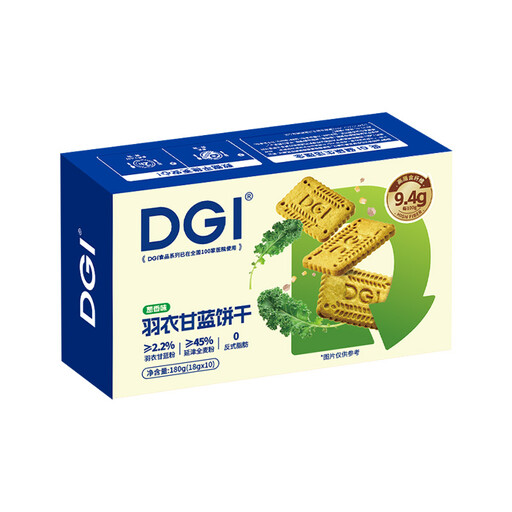 Image unavailable
A savoury biscuit that’s ready to eat with your coffee. The Joybuy product listing states that it contains 1.7 g of sugars per 100 g and more than 45 % wholemeal flour. It lists wheat and maltitol, with a warning about excessive consumption. Check these details on the pack if they matter to your choice.
 Image unavailable
A crunchy base to top and enjoy with coffee; remember to include the topping when comparing. The Joybuy product listing states that it contains 62 % wholemeal wheat, 1.1 g of sugars and 8.3 g of fibre per 100 g. It lists gluten from wheat and barley. ‘No added sugars’ doesn’t mean ‘sugar-free’.
 Image unavailable
Another crunchy base to top, in a 240 g pouch rather than the 425 g pack above. The Joybuy product listing states that it contains 62 % wholemeal wheat, 1.1 g of sugars and 8.3 g of fibre per 100 g, as well as gluten from wheat and barley. Check the product name and ingredients on the pack to tell the two formats apart.
No. EU rules on nutrition claims distinguish between these terms. For example, Bjorg says its Oat and Seed Biscuits contain 34 % less sugar, while declaring 17 g of sugars per 100 g. Check the final amount and what the reduction is compared with.
First compare their values per 100 g, then consider how much you’ll actually eat. The French Directorate-General for Competition Policy, Consumer Affairs and Fraud Control notes that the nutrition declaration for prepacked foods includes energy, fat, sugars, protein and salt, among other values.
No. According to Gerblé, its cocoa choc chip cookie contains 0 g of sugars but includes maltitol and 26 g of polyols per 100 g. If you want to avoid these ingredients, check the ingredients list for the specific product.
Because you should base your choice on the recipe you’re buying, not on an entire brand or category. The French Directorate-General for Competition Policy, Consumer Affairs and Fraud Control states that prepacked food labels include an ingredients list. Check the allergens and any precautionary allergen statements on the pack too.