People hosting a group
For a break around the table, the net weight and number of biscuits can help you plan how much to serve. Don’t assume that a ‘family’ pack is intended for a particular number of people.


If you’re serving ready-to-eat biscuits to a group during a baking workshop, start by considering the number of people and how you’ll serve them. A large pack works well for sharing at the table, while individually wrapped portions make it easier to serve them at different times. An assortment caters for different tastes, but check the pack contents, allergens and storage instructions before choosing.
For a break around the table, the net weight and number of biscuits can help you plan how much to serve. Don’t assume that a ‘family’ pack is intended for a particular number of people.
If the biscuits will be served at different times or taken away individually, the number of inner sachets matters just as much as the total weight.
Before offering a pack to a group, check the ingredients, any allergens listed and the storage instructions for the product you’re buying.
For a shared break while you’re baking, first estimate how much you’ll need and how you plan to serve it. Then compare the recipes and the information on the packaging.
| What to consider | What to check | Who is it for? |
|---|---|---|
| Quantity for the group | Net weight and, where stated, the number of biscuits or portions. | If I’m getting a group together around the table, I want to make sure there are enough biscuits without relying on the word ‘family’ alone; around 36% of consumers would make this their top priority. |
| Serving over time | Number of inner sachets and instructions for storing the product after opening. | If the snack break runs on or everyone is taking a portion home, I’d prefer to be able to hand out sealed portions; this would be the main priority for around 29% of consumers. |
| Recipe and variety | Type of biscuit or cake, filling and contents of the assortment. | If not everyone has the same tastes, I check what’s actually in the pack; around 21% of consumers would put variety first. |
| Ingredients and storage | Ingredients, listed allergens and storage instructions on the pack you choose. | Before serving biscuits to a group, I need to know what’s in them and how to store them; around 14% of consumers would make this their top priority. |
Le Petit St Michel comes in a 540 g family pack, while other formats mentioned by Auchan divide the biscuits into smaller sachets. Neither the pack description nor its weight alone tells you how many people it will serve.
Before deciding how many packs to buy, compare the net weight, the stated number of biscuits or sachets, and the size of your group.
Ingredients and allergens vary from one product to another, even within the same brand. According to the DGCCRF, allergens must be highlighted in the ingredients list of prepacked foods.
Check the label on the pack you’ve actually bought before serving it, particularly if the ingredients matter to anyone in your group.
Lidl’s Sondey Family cookie mix was featured as part of a limited-time offer. That doesn’t mean you can plan a workshop around it being in store on another date.
Before choosing a specific product for your event, check that it’s available at the store you plan to visit and read the label on the pack being offered.
The biscuit maker’s range includes Le Petit St Michel in a 540 g family pack, as well as galettes sold in packs of five.
The products mentioned include Mikado Lait Family 300 g, chocolate-coated biscuits, and LULU L’Ourson 300 g, with ten individually wrapped cakes.
The retailer’s range includes a product listing for Mikado Lait Family 300 g.
The retailer’s catalogue features own-brand biscuits, including P’TIT DELI speculoos in two 250 g packs and 200 g cookies.
The retailer featured Sondey Family cookie mix, 255 g, as an assortment to share.
These ready-to-eat products include an assortment, cakes to hand out and packs of biscuits to put on the table for a baking break. Choose based on the stated weight and product type, then check the packaging for the number of pieces, allergens and inner packaging you’ll need for serving.
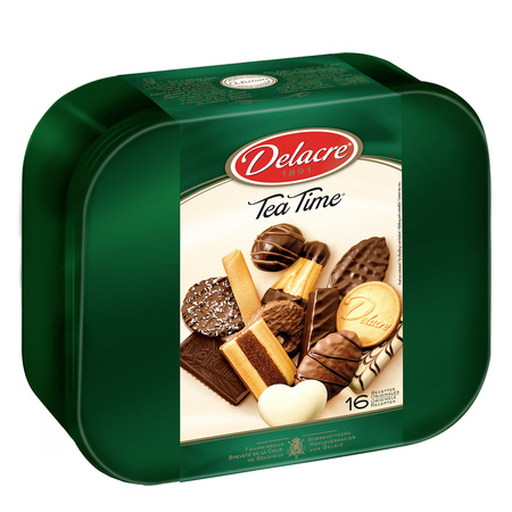 Image unavailable
Worth considering if you’d like to put an assortment on the table rather than choose just one type of biscuit.
Net weight: 500 g. Check the number of biscuits and inner packaging if you need to divide the contents between your guests.
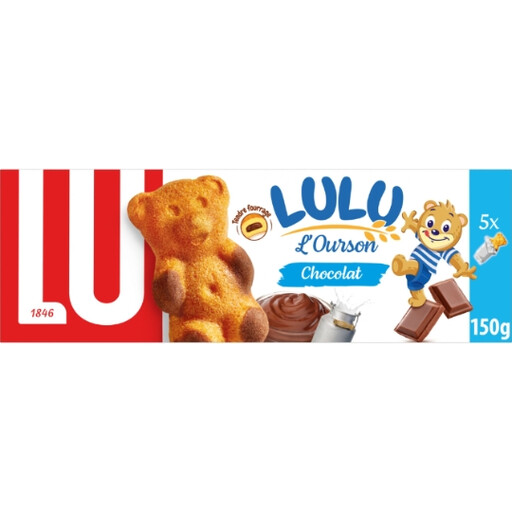 Image unavailable
Consider these if you’d prefer soft cakes to crisp biscuits for your break.
Net weight: 150 g. If you’re planning to give each person a portion, check the number of cakes and how they’re packed in this version.
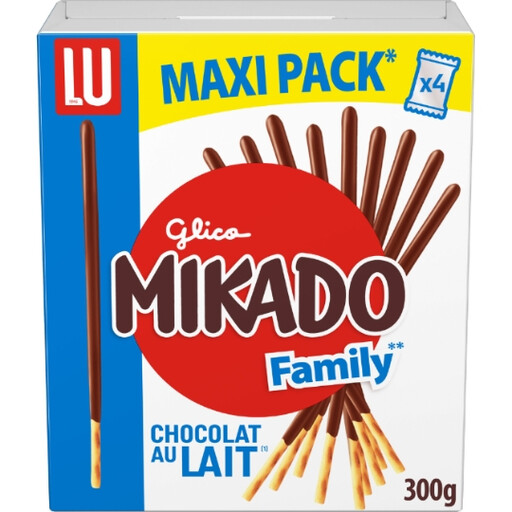 Image unavailable
An option for serving chocolate-coated biscuits from a pack to share.
Net weight: 300 g. If you need to give everyone a set portion, check the number of biscuits and whether there are inner sachets.
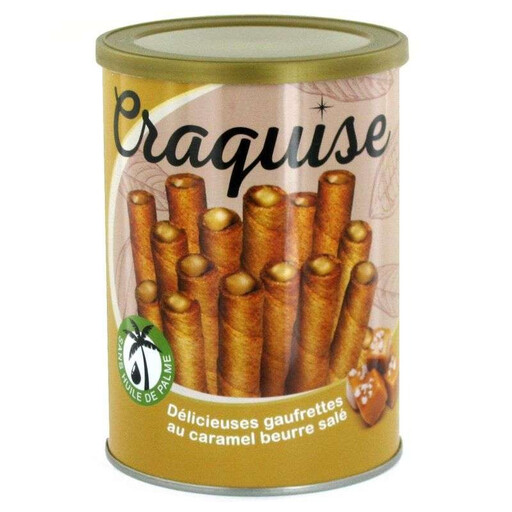 Image unavailable
Worth considering for serving at the table if you’re after filled wafers rather than an assortment of biscuits.
Net weight: 400 g; tin. Check the number of wafers if you want to plan individual portions.
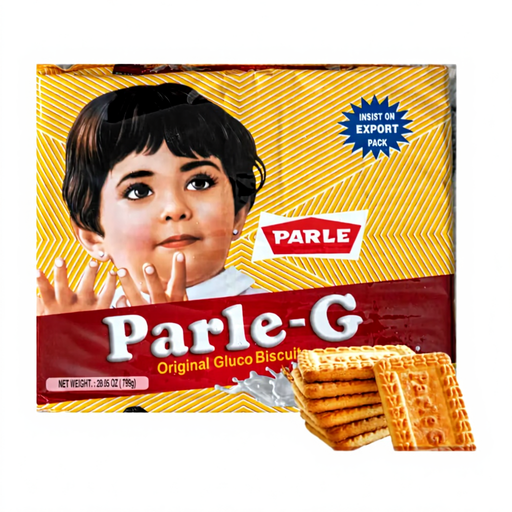 Image unavailable
Worth considering if the total quantity matters more than having a choice of different recipes.
Net weight: 799 g. If you’re planning to serve the biscuits over several occasions, check how many there are and how they’re packed inside.
Check the net weight, the number of biscuits or sachets, then the ingredients list and storage instructions. For prepacked foods sold in France, the DGCCRF says allergens must be highlighted in the ingredients list.
No. Check the label on the product you’ve bought, rather than relying on the brand name alone. The St Michel, Mikado and LULU L’Ourson examples mentioned in this article have different ingredients. Also check the pack for any product-specific warnings about possible traces.
Follow the instructions on the packaging, especially if you’re keeping the pack for another break. The French Ministry of the Economy advises following the manufacturer’s storage recommendations, which can vary by product.
No. According to the French Ministry of the Economy, a best-before date indicates how long a product will retain its specific qualities, while a use-by date applies to highly perishable foods and must be observed. Check the exact wording on the pack and follow its storage instructions.