Hosts preparing a sharing platter
Whether you’re filling a serving bowl or making verrines and fruit skewers, the drained weight helps you work out how much fruit you’ll have, excluding the syrup.


For a fruit platter to share at a birthday party, choose a large tin based on its drained weight. If you want ready-to-serve portions for the buffet, fruit pots save you having to portion everything out. If ingredients are your priority, compare the ingredient lists and the ‘of which sugars’ figure: ‘no added sugar’ does not mean ‘sugar-free’. It’s also worth planning what to do with any leftovers before opening a large tin.
Whether you’re filling a serving bowl or making verrines and fruit skewers, the drained weight helps you work out how much fruit you’ll have, excluding the syrup.
Individual fruit pots save you having to portion out the fruit at the last minute, and mean you only need to take out as many as you need.
The ingredients list, any ‘no added sugar’ claim and the nutritional information help you compare recipes without confusing added sugars with total sugars.
First decide whether you’ll serve the fruit in a shared dish or as individual portions. Then check the amount of drained fruit and the ingredients for the product you’re considering.
| Factor | What to check | Who is it suited to? |
|---|---|---|
| Amount to share | The drained weight and how many tins you’ll need for the dish you’re planning. | If I’m making a serving bowl or several verrines, I want to count the fruit, not the syrup, when working out how much to serve. Around 37% of consumers put the amount to share first. |
| Individual portions | The number of fruit pots and the amount in each one. | When guests are helping themselves at the buffet, I prefer individual portions to a tin that needs draining and serving out. Around 27% of consumers say ease of serving comes before other factors. |
| Ingredients and sugars | The ingredients, any ‘no added sugar’ claim and the ‘of which sugars’ figure per 100 g. | If I want to avoid added sugar in the recipe, I need to distinguish that preference from the total amount of sugars shown on the label. Around 18% of consumers put ingredients first. |
| Fruit variety | Which fruits are in the mix and its drained weight. | For varied skewers or verrines, I look for an assortment, while checking it contains enough fruit for what I’m making. Variety is the main factor for around 18% of consumers. |
A tin’s total weight includes its covering liquid, so it doesn’t tell you how much fruit you’ll have for verrines or skewers.
Compare the drained weight. According to the DGCCRF, this information must appear on the labels of foods presented in a covering liquid.
A recipe with no added sugar can still contain sugars that occur naturally in fruit.
Check the ingredients and the ‘of which sugars’ figure in the nutritional information for each product.
Storage instructions after opening vary by product. For its exotic fruit mix, Auchan recommends refrigerating it in a suitable airtight container and eating it within two days.
Before choosing a large format, work out how much you’ll serve and follow the storage instructions for the product you buy.
Carrefour Classic' includes an 825 g tin of fruit cocktail in syrup, as well as other formats to compare depending on how you plan to serve it.
Auchan offers fruit pots and fruit mixes in syrup, including a 340 g exotic fruit mix.
St Mamet fruit cocktails are stocked by Carrefour and Auchan in large tins and individual pots.
Aldi sells a 500 g light fruit cocktail in syrup under the BACCARA® brand.
These tins are handy for preparing a sharing platter or adding a particular fruit to your buffet. Compare the pack size with the amount of drained fruit you need; they’re not a substitute for individual fruit pots.
 Image unavailable
A tin to consider if you’re preparing a fruit platter to share at your party.
The tin weighs 850 g; check the drained weight when planning portions, and follow the storage instructions after opening.
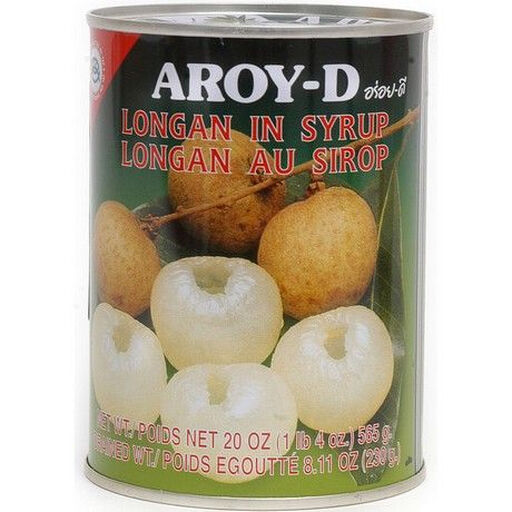 Image unavailable
Serve these longans alongside other fruit if you’d like to offer something different from a fruit cocktail.
The tin weighs 565 g including the syrup. Check the drained weight to work out how much fruit you’ll have to serve.
 Image unavailable
These pear halves are worth considering for individual portions or as an addition to a fruit platter.
The stated drained weight is 455 g. As weights may vary, check the packaging of the product you choose.
 Image unavailable
This fruit cocktail can add to your buffet if you’re not planning a large fruit platter.
The tin weighs 425 g including the syrup. If you’re preparing portions, compare its drained weight with that of a larger format.
 Image unavailable
Add these mango slices to a selection of mixed fruit rather than serving them as an assortment on their own.
The tin weighs 425 g including the syrup. Check the drained weight and follow the product’s storage instructions after opening.
Use the drained weight to estimate how much fruit you’ll have to serve, as the total weight also includes the covering liquid. The DGCCRF says drained weight is part of the labelling information for foods presented in this type of liquid.
Choose fruit pots if guests need separate portions with no preparation; opt for a large tin if you’re putting together a shared platter, verrines or skewers. If you choose a large tin, plan how much fruit you’ll need based on the drained weight, and think about what you’ll do with any leftovers.
Follow the instructions for the product you’ve bought, as these explain how to store it once opened. For its exotic fruit mix, Auchan recommends using a suitable airtight container, keeping it in the fridge and eating it within two days.
The best-before date is the ‘best before’ date on the label; it applies to the unopened product when stored as directed. Anses explains that going beyond this date can affect the product’s quality but does not automatically mean it is a health risk. You should also check the condition of the packaging and follow the storage instructions.