Which criteria should you prioritise?
For this party, start by thinking about how the chocolate will be served. Then check the quantity, ingredients and nutritional information for each recipe you’re considering.
| Consideration |
What to check |
Who it’s for |
| Serving |
Bites or individually wrapped squares, or bars to break up; number of pieces if stated. |
When several children are waiting for their share, I prefer a format that’s easy to hand out without breaking up a bar on the spot. Around 31% of consumers put ease of serving first. |
| Allergens |
Highlighted allergenic ingredients and ‘may contain’ statements on the exact pack. |
If a guest needs to avoid an ingredient, I need to check every recipe in an assortment before choosing it. Checking allergens is the top priority for around 31% of consumers. |
| Sugars and labelling |
‘Of which sugars’ per 100 g; other nutritional values on the same basis. |
When comparing packs of different sizes, I want to compare sugar content on a like-for-like basis, rather than relying solely on the logo on the front. Around 23% of consumers prioritise this comparison. |
| Quantity |
Net weight and number of pieces, if stated. |
For a small group, I look for an amount that suits the number of guests rather than a large bag that’s difficult to share out completely. Around 15% of consumers put getting the quantity right ahead of other criteria. |
Sharing chocolates and bars on Joybuy
These formats give you a choice between individual portions to hand out, an assortment to share and bars to break up for the party. The packaging and label of each product are key to planning how you’ll serve it.
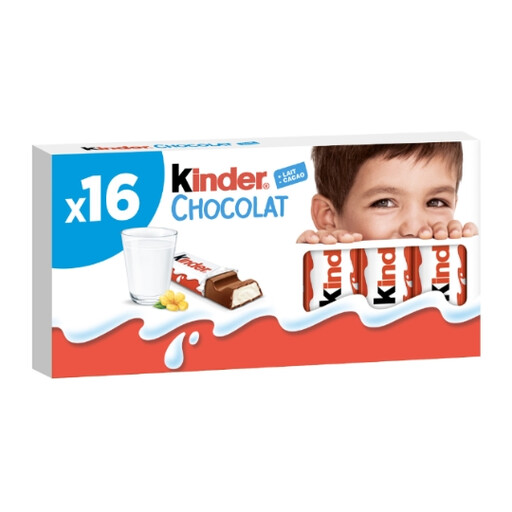 Image unavailable
Kinder Chocolate x16
A pack of 16 is a good choice if you want individual portions to share out among the children. Check the ingredients and allergens on the packaging before the party.
View on Joybuy
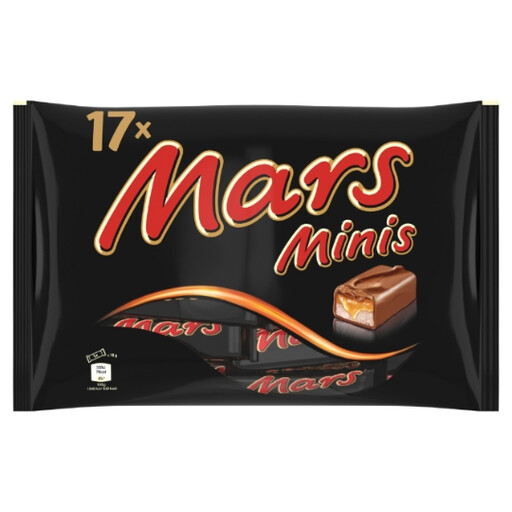 Image unavailable
MARS Minis with caramel and nougat, 333 g
This bag of mini bars could work well if you’d rather hand out individual pieces than break up a bar. Check that there are enough pieces for your group, and check the allergens listed on the pack.
View on Joybuy
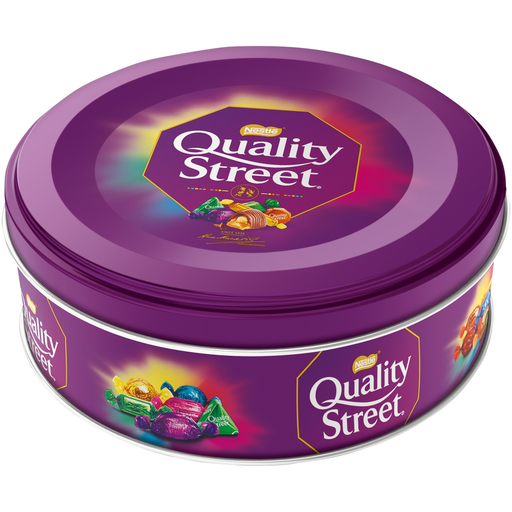 Image unavailable
Quality Street, assorted chocolates and toffees, 400 g
This box is a good choice if you’d like to offer an assortment rather than just one recipe. To plan on one piece per child and take allergies into account, check the number of pieces and the labelling on the box you choose.
View on Joybuy
 Image unavailable
SMARTIES Hexatube, 6 × 34 g
The six tubes are separate portions to hand out, as long as there are enough for your party. To compare sugar content with other products, check the per 100 g figures on the packaging.
View on Joybuy
 Image unavailable
MILKA Alpine Milk, 3 × 100 g
This pack of three milk chocolate bars works well if an adult can break them up and share out the squares. Check how many squares are in the bars and check the allergens on the packaging before planning portions.
View on Joybuy
Frequently asked questions
Is Nutri-Score compulsory on chocolate in France?
No. Santé publique France says producers display Nutri-Score voluntarily; the DGCCRF distinguishes this logo from the nutrition declaration, which is compulsory for most prepacked foods. If there’s no logo, compare the sugars per 100 g in the nutrition table.
Does the ‘soda tax’ apply to chocolate bars?
No: the French Ministry of the Economy describes this levy as applying to sugary drinks. When choosing between a chocolate bar and a bag of chocolates, compare their format, ingredients and nutritional information instead.
How can you check for allergens before the party?
First, ask whether any guests need to avoid certain ingredients. Then read the packaging for the exact product, without assuming that every piece in an assortment has the same recipe. According to the DGCCRF, allergens in prepacked foods must be highlighted in the ingredients list; check for ‘may contain’ statements too.
How can you compare a bag with several bars?
First compare how they’ll be served and the total weight, then compare the nutritional values on the same per 100 g basis. The DGCCRF says this makes it possible to compare nutritional information; the number of pieces or squares, if stated, can then help you plan how to share them out.


