Those who need a “sugar-free” claim
You’re looking for a product carrying this specific claim, even if it’s more like a sweet snack biscuit than a savoury biscuit for a drinks party. If sweeteners matter to you, check the ingredients too.


If you specifically need a product labelled “sugar-free”, choose a biscuit that carries this claim and check its sugar content: Regulation (EC) No 1924/2006 sets a maximum of 0.5 g per 100 g. For a mainly savoury buffet, a biscuit made for serving with drinks may be a better fit, but it won’t necessarily be sugar-free. A reduced-sugar recipe with no sweeteners is another option, but it does not meet the strict sugar-free claim.
You’re looking for a product carrying this specific claim, even if it’s more like a sweet snack biscuit than a savoury biscuit for a drinks party. If sweeteners matter to you, check the ingredients too.
You want to serve shortbread or sharing biscuits on their own or with a dip. Being suitable for a drinks party doesn’t mean they’re sugar-free, so check the recipe separately.
You’d rather look for a recipe labelled as containing no sweeteners, even if that means choosing a biscuit that still contains sugar instead of one carrying a “sugar-free” claim.
When planning your drinks party, first decide whether the “sugar-free” claim is essential or whether savoury sharing biscuits are your priority. Then compare the ingredients of products that meet that priority.
| Criterion | What to check | Who is it for? |
|---|---|---|
| “Sugar-free” claim | Look for the exact claim and check the “of which sugars” line per 100 g. Don’t confuse it with “reduced in sugar”. | If I need to offer a strictly “sugar-free” biscuit, simply reducing the sugar isn’t enough. Around 31% of consumers make this their priority. |
| Serving with drinks | Check whether the biscuit is intended to be served as a savoury option, on its own or with accompaniments, then check its ingredients. | For a savoury spread with dips, I choose a biscuit made for that purpose. This is the main requirement for around 25% of consumers. |
| Ingredients and allergens | Compare salt and fat per 100 g; check the ingredients list for allergens and any possible traces. | When guests need to avoid certain ingredients, I need to check each packet rather than rely on its packaging. This is the first thing around 25% of consumers check. |
| No sweeteners | Check the ingredients list and sugar content per 100 g of a biscuit labelled as containing no sweeteners. | I prefer a reduced-sugar recipe with no sweeteners, even if it still contains sugar. Around 19% of consumers put this preference first. |
These claims don’t mean the same thing. Auchan describes its Less Sugar cocoa and orange variety as reduced in sugar and containing no sweeteners, not as a “sugar-free” biscuit.
If the “sugar-free” claim is essential, look for it explicitly and check the “of which sugars” line per 100 g.
This claim alone doesn’t tell you about fat, salt, sweeteners or allergens. Carrefour’s product details for Gerblé’s cocoa-filled biscuit, for example, list maltitol and 22 g of fat per 100 g.
Read the nutritional information and ingredients on the packet you choose, particularly if a guest needs to avoid an allergen.
A biscuit made for a drinks party may still contain sugar: sugar is listed among the ingredients of St Michel’s La Bretonne shortbread.
Choose it for its savoury serving style, then check the ingredients separately if you need a “sugar-free” option.
According to Santé publique France, displaying Nutri-Score is voluntary. The DGCCRF distinguishes this logo from the mandatory nutrition declaration for prepacked foods.
If it appears on a packet, use it as extra information; also check the nutrition values per 100 g and the ingredients list.
Biscuits carrying a “sugar-free” claim, including a plain version and a cocoa-filled version. Worth considering as a sweet option rather than for an exclusively savoury spread.
Sweet-style biscuits for anyone looking for a “sugar-free” claim without choosing a filled biscuit.
A range to consider if avoiding sweeteners matters more to you than meeting the strict “sugar-free” claim.
The savoury shortbread range includes a variety that St Michel recommends for drinks parties, served on its own or with accompaniments.
These two savoury options could work well for a sharing spread. They’re not a substitute for a biscuit that meets a strict “sugar-free” requirement, so check for this claim separately if it’s essential.
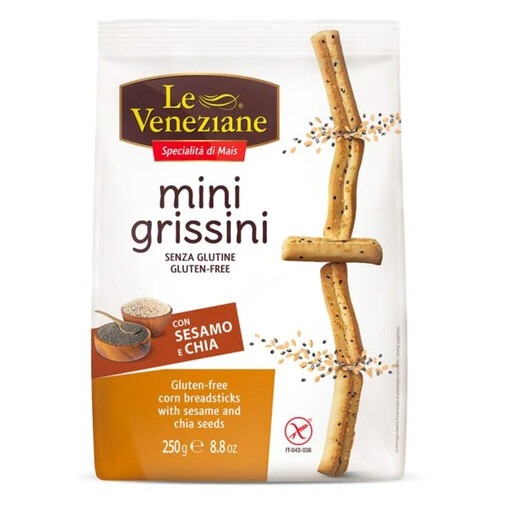 Image unavailable
These mini sesame grissini are ideal for serving with dips or cheese. They don’t meet a strict “sugar-free” requirement; also check the ingredients if sesame or gluten is a concern for your guests.
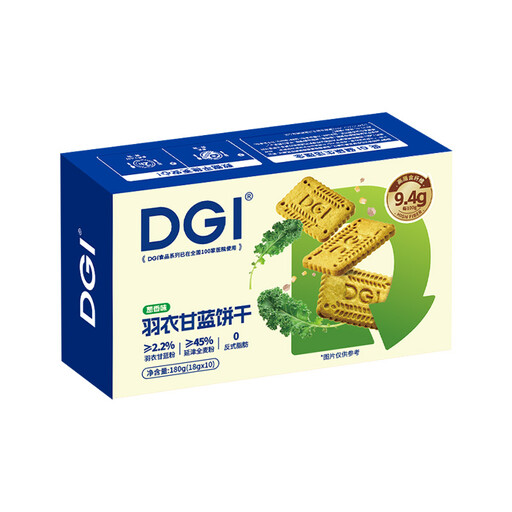 Image unavailable
These spring onion-flavoured biscuits are a ready-to-serve savoury option. They’re not suitable if a “sugar-free” claim is essential. Check the ingredients if you want to avoid sweeteners or need to take wheat into account.
No. Santé publique France says displaying it is voluntary, while the DGCCRF states that nutrition declarations are mandatory for prepacked foods. So even if there’s no Nutri-Score, you should still check the nutrition values and ingredients.
Regulation (EC) No 1924/2006 allows this claim for a product containing no more than 0.5 g of sugars per 100 g or 100 ml. It doesn’t guarantee that the product is free from sweeteners, fat or allergens, so check these separately.
Not if you specifically require the “sugar-free” claim. If you’d prefer a reduced-sugar recipe with no sweeteners, check the claim, ingredients and sugar content of the biscuit in question.
Read the ingredients list and any “may contain” information on each packet, even if the biscuits are from the same brand. EU labelling rules require allergens present in the ingredients list to be highlighted. Check the exact recipe you’ve chosen for your guests.