
Livraison le jour même ou le lendemain

Qualité garantie

Débloquez vos offres de bienvenue: Livraison GRATUITE | Jusqu'à -80 % | 30 jours d'essai gratuits à JoyPlus
Téléchargez l'application
A vegetable patch can quickly become a target for birds as soon as the fruit starts to ripen. Strawberries, cherries, young shoots and seedlings soon attract feathered visitors. To limit the damage, bird netting is a simple, effective physical barrier — provided you choose the right type and install it properly.
Smart bird feeders serve a completely different purpose: feeding birds and watching them remotely, sometimes with the help of a camera. Yet these two product categories often appear in the same searches, even though they’re used in very different ways. Here’s what to check before you place an order.
A 2 × 5 m net may not be enough to protect a fruit tree or a large growing area. You’ll need to take into account the height of your plants, the sides that need covering and the extra material required to secure the net to the ground or a frame.
Measure the length, width and height of the area you want to protect. For a shrub, allow enough material to prevent the branches from coming into direct contact with the mesh.
Wide mesh can let some birds through or allow them to reach fruit through the net. On the other hand, very fine mesh can catch more leaves and make watering more difficult.
For netting designed to protect crops, check the exact size of the openings. The Tenax models featured here have a mesh size of 10 × 10 mm or 10 × 12 mm, depending on the model. This specific detail is more useful than a general promise of effectiveness.
A poorly secured net can shift in the wind, catch on branches or pose a risk of birds becoming tangled. It should never be left loose around your plants.
Pull it taut, secure the edges with pegs or ties, and check its condition regularly. Keep children away while you’re putting it up, and never use it as a support or load-bearing structure.
A net that’s going to stay outdoors needs to withstand sunlight, damp and changes in temperature. UV-treated polypropylene is commonly used for garden netting. This treatment helps limit fibre degradation, but it doesn’t guarantee the same lifespan in all conditions.
After harvesting, remove leaves and debris, clean the net if needed, then store it in a dry place. This will make it easier to reuse from one season to the next.
For protecting a few plants or a small vegetable patch, a 2 × 5 m net is generally easier to handle. A 10 m length is better suited to rows of vegetables, larger shrubs or installation on a frame.
Some models can be cut to size without fraying. Even so, check the edges after cutting and make sure you have a reliable way to secure the net. For a net designed for fruit trees, a raised frame may be preferable to placing it directly over the branches.
Protective netting for a vegetable patch should let through everything needed for everyday care: light, rain and air. This means you won’t have to remove it every time you water, while still being able to see your plants.
Mesh doesn’t remove the need for regular checks. Make sure no birds are caught in the net, the fruit isn’t touching it directly and all the fastenings are still secure.
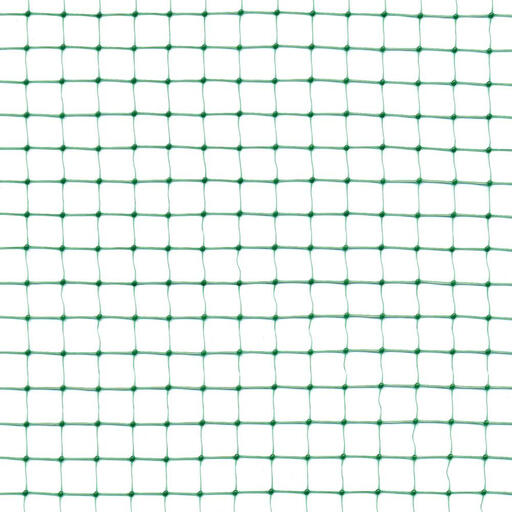
Why it suits this type of user : Its size is well suited to a small vegetable patch, a few shrubs or a seedbed. The green net blends discreetly into the garden and is easy to handle, without requiring a complicated installation.
The 10 × 10 mm mesh and stated dimensions make it easy to compare the coverage with the area you need to protect.
UV-stabilised polypropylene, can be cut without fraying according to the product listing, and allows air, water and light to pass through.
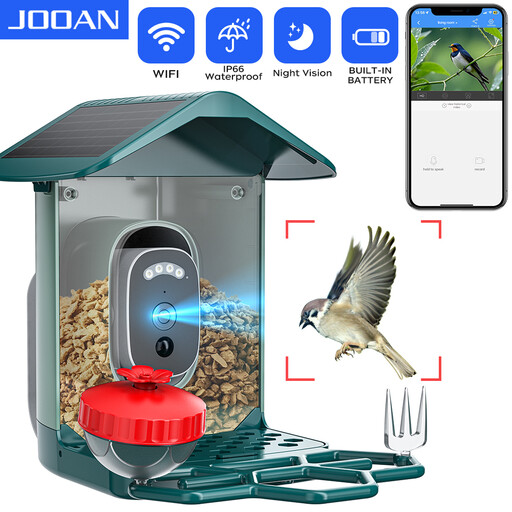
Why it suits this type of user : This solar-powered feeder is for anyone who wants to watch garden birds remotely, using a camera and a mobile app.
The product listing specifies a 2-litre capacity, a 5 200 mAh battery and compatibility with 2.4 GHz Wi-Fi. Cloud storage may incur a charge, and the SD card must be bought separately.
2K video, two-way audio, solar panel and wall- or tree-mounting options.
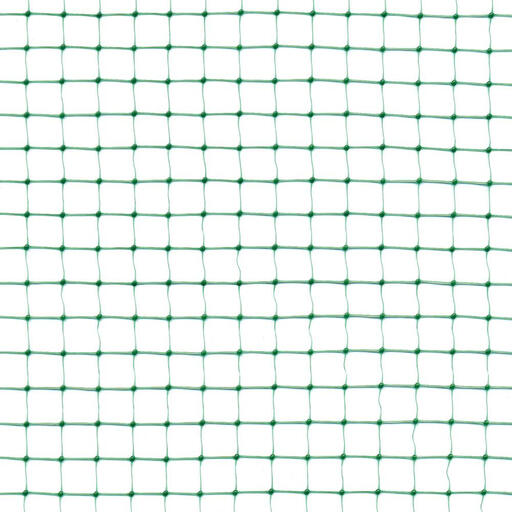
Why it suits this type of user : Its 2 × 10 m size is ideal for rows of vegetables, small orchards and installations on a frame.
The stated coverage reduces the risk of choosing a net that’s too short to cover several plants or a long border.
UV-treated polypropylene fibres, 10 × 12 mm square mesh, suitable for direct installation or use on a frame.
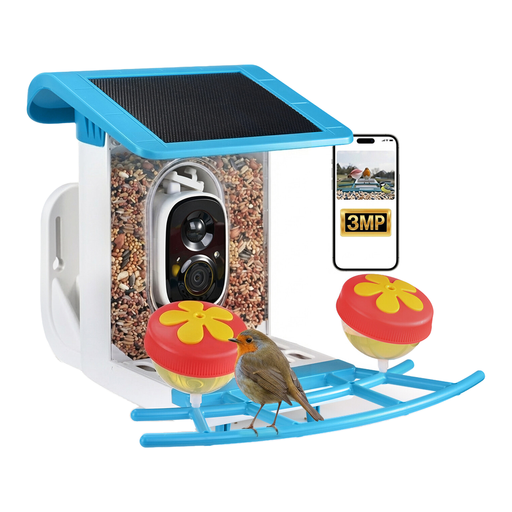
Why it suits this type of user : This smart feeder is ideal for watching birds remotely. It has a 1.2-litre hopper and a built-in rechargeable 4 400 mAh battery.
The advertised features are listed separately: AI bird recognition, colour night vision and two-way communication.
1.2-litre hopper, connected camera, night vision and two-way audio.
We’ve put together a comprehensive, real-time updated selection of products that meet these strict selection criteria and European safety requirements.
For taller plants, install the net over hoops or a frame. For a small growing area, you can place it directly over the plants, as long as you secure the edges to the ground. Keep the net taut and leave enough space between the mesh and the fruit.
It depends on how much sun it’s exposed to, the wind, rubbing against branches and how well it’s stored. UV-treated polypropylene netting can be reused under normal conditions, as long as it’s cleaned, dried and stored under cover after the season.
Consider the cost of the device, its electricity use and any additional services separately. A solar-powered feeder can reduce how often you need to recharge it, but it still needs a Wi-Fi connection. For the JOOAN model, cloud storage is listed as a paid service, while the SD card must be bought separately.