
Livraison le jour même ou le lendemain

Qualité garantie

Débloquez vos offres de bienvenue: Livraison GRATUITE | Jusqu'à -80 % | 30 jours d'essai gratuits à JoyPlus
Téléchargez l'application
Every gardener knows the frustration of discovering their cherries, strawberries, or young lettuces devoured by birds just before harvest.?? Bird netting seems like the obvious solution, but the market is flooded with products whose alluring promises often lead to disappointment. As a product expert at Joybuy, my mission is to help you cut through the noise, make the right choice, and avoid the common pitfalls that waste your time and money.
Before you grab the first net you see, let's review the three classic mistakes that can render your protection ineffective, or even counterproductive.
Yet, protecting your vegetable garden shouldn't be an uphill battle. By keeping a few key criteria in mind, finding a reusable garden net that is genuinely effective is entirely possible.
For effective crop protection against birds, simply draping a cover over your plants isn't enough. The quality of the netting is what separates a saved harvest from bitter disappointment. Here are the three points to inspect before any purchase.
The longevity of your net depends directly on its material. The two main types are polypropylene (PP) and high-density polyethylene (HDPE).
The key takeaway: Don't just trust a generic "UV-treated" label. Prioritise reputable brands that guarantee a design intended for prolonged outdoor use. A good net is an investment that should last for several seasons.
The mesh size is a decisive factor. It must be small enough to block birds but large enough to let air, light, water, and pollinators pass through.
Its manufacturing method has a direct impact on its ease of handling.
Good bird netting should be easy to deploy, adjust, and store at the end of the season.
Rather than an endless list, we've selected products tailored to specific gardener profiles. Each model was chosen for its ability to solve a real-world problem while avoiding the classic pitfalls.
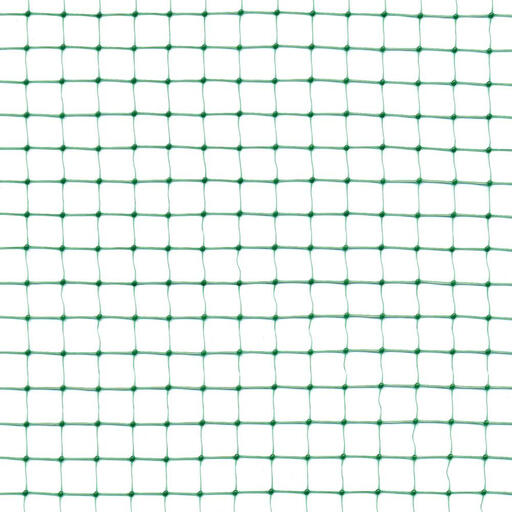
Why we chose it: ? Its dimensions are perfect for protecting a raised garden bed, a few tomato plants on a balcony, or berry bushes. Lightweight and easy to handle, it's ideal for one person to install.
Its UV-stabilised polypropylene construction ensures its durability, saving you from having to buy a new one each spring. Its 10x10 mm mesh is the ideal compromise for blocking thieving birds without trapping beneficial insects.
It doesn't fray when cut, allowing you to adjust it precisely to your needs without compromising its structure. Easy to fold and store.
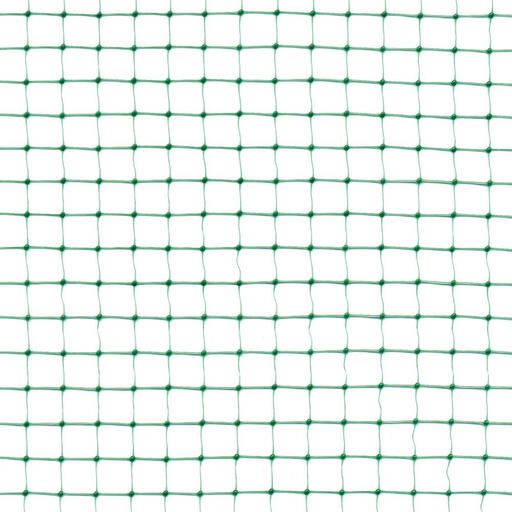
Why we chose it: ? With 40 m? of coverage, this net is sized to protect several medium-sized fruit trees, long rows of vegetables, or a large strawberry patch.
Despite its generous size, its extruded structure makes it easy to handle without turning into a tangled mess. The UV treatment is crucial for such a large surface area, and this model is built to last.
It offers a cost-effective solution for covering large areas without sacrificing quality or ease of use. Its green colour blends discreetly into the garden landscape.
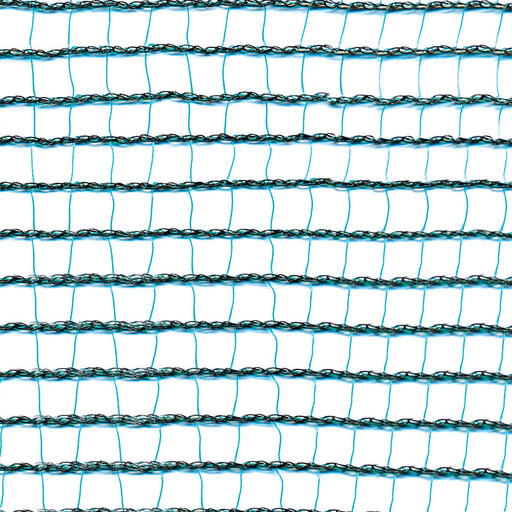
Why we chose it: ? For those living in regions prone to hailstorms, this net offers dual protection. It not only guards against birds but also against the impact of hailstones, which can wipe out a harvest in minutes.
Its knitted and knotted HDPE mesh is extremely tear-resistant. The tighter mesh (7 x 8 mm) is effective against both birds and hail, while still allowing essentials to reach the plants.
This is a 2-in-1 investment : it fulfils its anti-bird mission while also providing robust mechanical protection against bad weather. A more premium choice, but one that quickly pays for itself.
Explore our full selection of netting that meets our quality standards and wildlife protection recommendations.
For optimal effectiveness and safety, two approaches are recommended. You can drape it directly over low-growing crops or shrubs, making sure to anchor the edges securely to the ground with pegs or stones. For trees or garden structures, it's better to build a simple frame (using wooden stakes or hoops) over which to stretch the net. The most important thing is to keep the net taut and leave no gaps where birds could sneak in underneath or get trapped.
The lifespan depends on the material quality, the UV treatment, and also how it's maintained. A well-made, properly stabilised polypropylene or HDPE net can last 3 to 5 seasons, or even longer. To maximise its longevity, it's advisable to clean, dry, and store it away from sun and moisture during the winter.
Not at all. Quality protective netting is designed to be completely permeable. The mesh, even when tight, allows sunlight, air, and water from rain or irrigation to pass through without issue. Its job is to create a physical barrier against birds, not to obstruct the essential elements your plants need to thrive.