
Livraison le jour même ou le lendemain

Qualité garantie

Débloquez vos offres de bienvenue: Livraison GRATUITE | Jusqu'à -80 % | 30 jours d'essai gratuits à JoyPlus
Téléchargez l'application
Between school notes, invoices, work files and collections, binders and filing supplies need to withstand regular use while remaining easy to handle. A pretty cover or a generous capacity on paper isn't always enough to make a good purchase.
Here are the criteria to consider to avoid unpleasant surprises and choose an A4 binder, a folder or an organiser that's truly suited to your everyday life in the UK.
A ring binder may look very spacious, but dividers, punched pockets and thick documents quickly take up the available volume. A capacity of 100 sheets is fine for a slim file, while a 30 to 40 mm spine is more suitable for a substantial project.
However, avoid filling the rings to their limit. The sheets may become distorted, the cover may peel away and the closing mechanism may become less reliable.
A4 is the go-to format for school notes, invoices and administrative documents. A standard A4 binder can still allow some pockets or dividers to stick out. An A4XL model is more practical if you regularly use thick punched sheets.
For unpunched documents, a presentation folder, an inner pocket or a retaining flap prevents important items from getting mixed up with loose sheets.
Translucent polypropylene lets you quickly identify the contents, but it doesn't meet the same needs as a rigid cover made from recycled cardboard. A soft cover is easier to carry every day, while a rigid cover offers better protection for documents stored on a shelf.
Also check the mechanism: two rings are enough for a compact file, whereas four rings distribute sheets and filing accessories more evenly.
Stated capacities are only indicative: paper weight and the presence of pockets reduce the actual usable volume.
Polypropylene resists light moisture and is easy to clean with a soft cloth. It's suitable for schoolchildren and students, as well as remote workers and professionals who need to travel. Recycled cardboard offers a rigid structure and can fit into an approach aimed at reducing plastic use.
To choose a recycled binder, check the manufacturing information and certifications mentioned by the manufacturer. The Blue Angel label, for example, appears on some products because of their post-consumer content. However, this doesn't replace the need to check the capacity and sturdiness of the mechanism.
A good document storage system must be able to accommodate the punched sheets, clear pockets and dividers you actually need. For everyday note-taking, A4 punched paper lets you remove a sheet without turning the whole file upside down.
Paper weight also deserves your attention. Clairefontaine Velouté 90 g paper, for instance, is described as smooth and pleasant for writing. A storage solution with a resealable cover also helps keep sheets clean between uses.
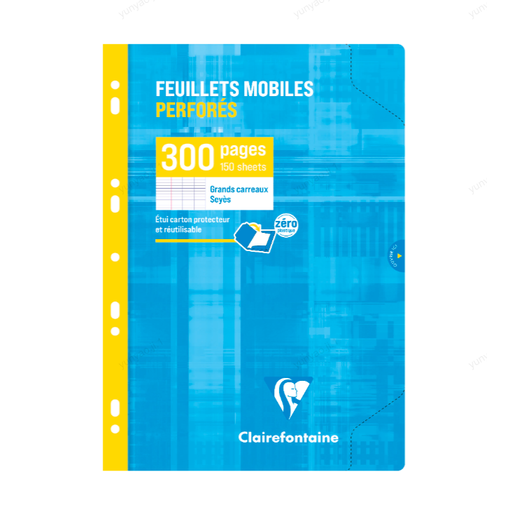
Why this choice suits this profile: This bundle provides a simple foundation for school, home or the office. It includes a case of punched paper and a case of double-sided copies, 300 pages each.
The sheets are already punched and stored in resealable cases. This reduces incompatible purchases and paper that ends up scattered.
A4 format, Velouté 90 g paper, 600 pages in total and PEFC certification mentioned by the manufacturer.
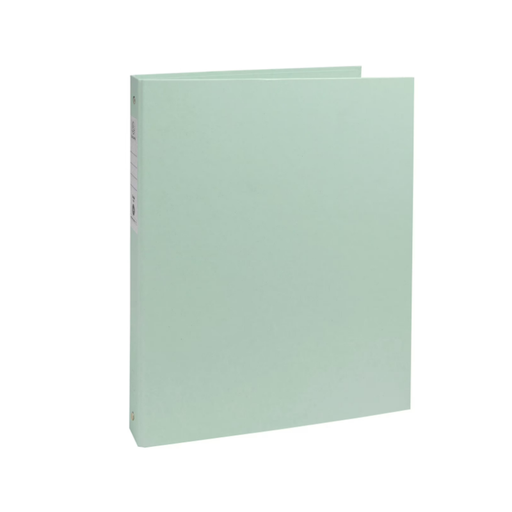
Why this choice suits this profile: Its rigid cover is designed for long-lasting filing at home, in the office or in a professional library.
The 30 mm spine and four rings distribute documents better, without relying on a cover that's too soft.
Cardboard stated as 100% recycled, made in France according to the product sheet and Blue Angel certification mentioned.
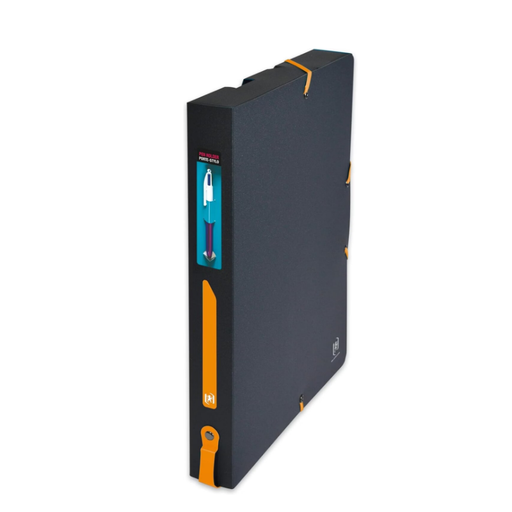
Why this choice suits this profile: It combines filing, transport and temporary storage for students, mobile employees and remote workers.
The A4XL format limits pockets sticking out, while the three-flap pocket accommodates unpunched documents.
40 mm spine, stated capacity up to 250 sheets, elastic closure and spine label.
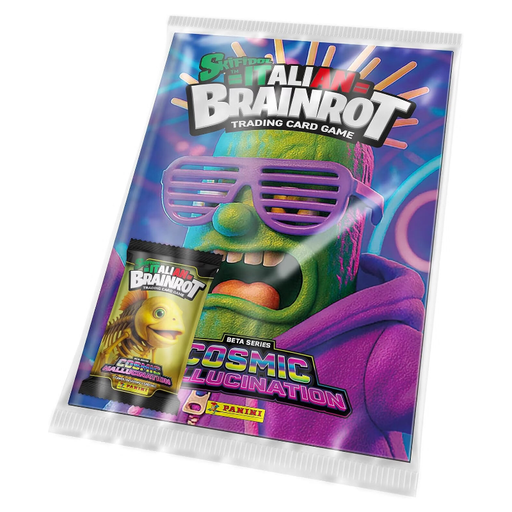
Why this choice suits this profile: This album meets a different need from administrative filing: protecting, grouping and viewing Panini trading cards.
Designed for cards, the album prevents storing them in office pockets that are too large or poorly fitted.
The pack includes a 32-page album and a pack of 7 cards, enough to start the collection straight away.
To maintain an effective office filing system, assign a category to each compartment or divider. An expandable organiser with eight compartments can separate school subjects, projects, administrative documents and client files.
Add a readable label to the binder spine and avoid mixing documents you need to keep with those destined for the bin. For temporary items, a presentation folder or an inner pocket is usually sufficient.
School and office supplies are easier to find when grouped by frequency of use. Pens, scissors and small accessories can be stored in a zipped pocket built into some organisers.
We've put together a comprehensive, real-time updated selection of products that meet these demanding criteria, as well as European safety standards.
An A4 four-ring binder is a versatile solution for punched sheets, dividers and pockets. Choose the diameter based on the planned volume and leave a little room for accessories.
Don't overload the binder and choose sheets with regular perforations. For documents that are frequently consulted, a punched pocket or eyelet reinforcements can slow down wear and tear.
A presentation folder, an expandable organiser or a binder with an inner flap will be more suitable. These solutions avoid punching originals and allow you to transport them without mixing them with loose sheets.