
Livraison le jour même ou le lendemain

Qualité garantie

Débloquez vos offres de bienvenue: Livraison GRATUITE | Jusqu'à -80 % | 30 jours d'essai gratuits à JoyPlus
Téléchargez l'application
Whether you're a forest trail MTB enthusiast, a daily bike commuter, or a casual weekend rider, choosing a bike helmet is a critical decision. With an overwhelming number of options available, it can be difficult to navigate the various technologies, shapes, and features. Our goal is to bring you clarity and help you select a helmet that not only fits your head size but, more importantly, matches your riding style. All without getting lost in marketing jargon.
Before diving into our top picks, let's review the key criteria that should guide your choice.
A helmet's primary mission is, of course, to protect your head. Beyond the mandatory European standard (CE EN 1078), certain technologies significantly enhance your safety.
The perfect helmet isn't the same for riding on bike paths as it is for tackling mountain trails.
A helmet is only effective if it fits perfectly... and is comfortable to wear. Check for an occipital adjustment system (the well-known dial at the back) and adjustable straps. Weight and the number of vents are also crucial comfort factors, especially if you plan to spend hours in the saddle. While you might see labels like men's bike helmet or women's bike helmet, most models are actually unisex. The differences usually come down to the range of colours and sizes offered.
We have selected three models that stand out from the crowd, each catering to a specific need.

Why We Chose It
This full-face helmet is built for the most demanding riding styles, where maximum protection is non-negotiable. Its construction combines a rugged ABS outer shell with an EPP (Expanded Polypropylene) inner liner, including in the chin bar, for optimised shock absorption.
Key Features
Who Is It For?
For DH, enduro, or BMX riders who want an armour-like helmet without feeling suffocated.

Why We Chose It
The RhinoUrban is a true Swiss Army knife for the modern urban cyclist. It integrates visibility and weather-protection elements, making it a great ally for daily commutes.
Key Features
Who Is It For?
The ideal companion for bike commuters and e-bike riders looking for a practical, comfortable, and feature-packed safety helmet.
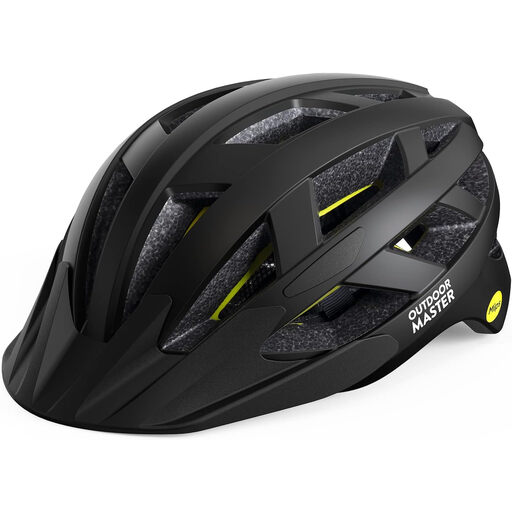
Why We Chose It
This model makes MIPS technology accessible in a versatile and well-ventilated package. It's an excellent option for those who want an extra layer of protection for varied recreational riding.
Key Features
Who Is It For?
The smart choice for the all-rounder cyclist (recreational MTB, leisure rides, occasional commuting) who wants the added security of MIPS without breaking the bank.
Our selection highlights three distinct profiles. If you don't find what you're looking for, many other models, styles, and colours await.
? Discover our full range of cycling gear
This is non-negotiable: a helmet must be replaced after any impact, even a simple drop from waist height, and even if no damage is visible. The internal structure can be compromised. Even without a crash, manufacturers recommend replacement every 3 to 5 years. Over time, UV rays, sweat, and temperature changes degrade the materials (plastics, foams) and reduce their shock-absorbing capabilities.
The MIPS system is designed to better protect the brain from rotational forces generated during an angled impact (a fall where the head does not hit the ground perpendicularly). While no helmet can guarantee absolute protection, this technology is widely recognised as a significant safety advantage. It is particularly relevant for mountain biking, where these types of falls are more common.
To find your size, get a flexible measuring tape. Wrap it around your head, about 2 cm (or an inch) above your eyebrows and across the most prominent part at the back of your skull. Compare this measurement (in cm) with the manufacturer's size guide. A correctly sized helmet should remain stable when you shake your head (without being too tight) and should not create any painful pressure points.