
Livraison le jour même ou le lendemain

Qualité garantie

Débloquez vos offres de bienvenue: Livraison GRATUITE | Jusqu'à -80 % | 30 jours d'essai gratuits à JoyPlus
Téléchargez l'application
Buying a bike isn’t just about picking a colour or a number of gears. A model that feels great on a cycle path can become uncomfortable on rough terrain, while an adult mountain bike might be unnecessarily heavy for simple city journeys.
Three mistakes crop up time and again when making a purchase:
An aluminium alloy frame is often valued for its lightness and good corrosion resistance. A high-carbon steel frame may feel robust, but it’s generally heavier.
The size should be determined by the rider’s height and, where available, their inside leg measurement. The Hiland Alliance road bike, for example, is offered with 50 cm, 55 cm and 60 cm frames, each matched to rider height ranges specified by the manufacturer. These recommendations are a good starting point, but they need to be weighed against your usual riding position and the length of your journeys.
For a folding bike, also check the weight and the folded dimensions. These two figures determine how easy it is to store in a flat, an office or a car boot.
A 14-speed bike can suit riders looking for a well-spaced gear range for faster commutes or hilly routes. An 18-speed model offers more ratios, but this advantage really depends on your use and how smoothly the gears shift.
Caliper brakes, found on some road bikes, are light and suitable for dry-road use, provided they’re properly maintained. Disc brakes are common on mountain bikes and off-road models. They make control easier in varied conditions, but they also need regular checks on the pads, discs and adjustments.
A Shimano bike isn’t a category of its own: Shimano can refer to the gear system or certain components. It’s better to look at the whole setup rather than just the brand name.
700C wheels fitted with narrow tyres generally suit urban and road surfaces. Wider tyres, like those on an adult mountain bike, offer more stability on trails, though they can add weight and rolling resistance.
For daily journeys, think about the items that aren’t always in the main description: lights, mudguards, a kickstand, a lock, a luggage rack and a bike accessory for storage. A waterproof roll-top pannier can be handy for protecting clothes, shopping or work gear. Just make sure its capacity matches the maximum load your rack can carry.
For an electric bike, check the motor power, battery capacity, weight, type of assistance and conditions of use separately. A model advertised with a 500 W motor or a maximum range of 80 km doesn’t automatically mean it’s an electrically assisted bike that complies with the usual road traffic rules in France. Check the technical specifications and current regulations before placing your order.
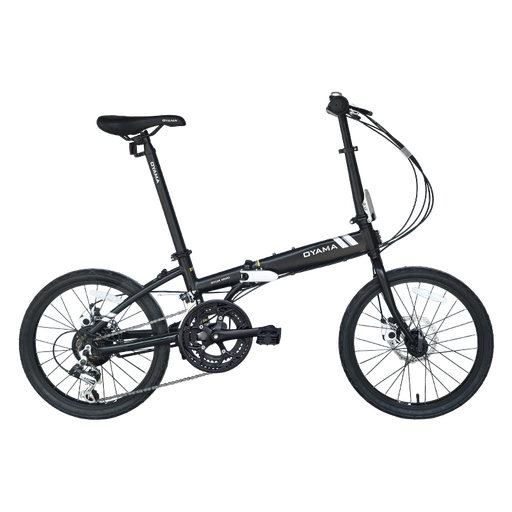
Why this choice suits this profile: its folding design lends itself to city journeys, storage in a small home and trips that combine cycling with public transport.
The listing mentions an aluminium frame, compact folding and a carry handle – concrete details for assessing how easy it is to transport.
20-inch wheels, Shimano 7-speed drivetrain, front and rear linear-pull brakes and a front suspension fork.
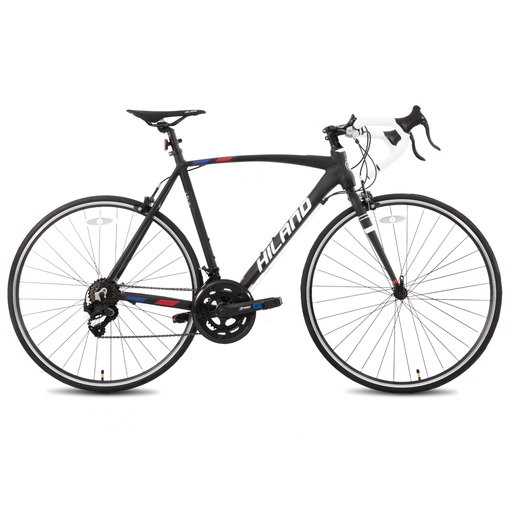
Why this choice suits this profile: this road bike is aimed at adults looking for an efficiency-focused riding position, for the city, tarmac rides and long distances.
The stated weight of 12.48 kg, the 700C wheels and the aluminium frame provide precise benchmarks, without promising off-road use.
14-speed drivetrain, 700C tyres and dual-pivot caliper brakes. Several frame sizes are available according to the product listing.

Why this choice suits this profile: its equipment is designed for trails, mixed-terrain rides and cyclists who prioritise robustness over lightness.
The listing clearly states its steel frame, 2.125-inch tyres and off-road orientation – it isn’t presented as a lightweight racing bike.
18-speed drivetrain, dual disc brakes, double-wall rims and a front suspension fork. The stated weight is 16.9 kg.
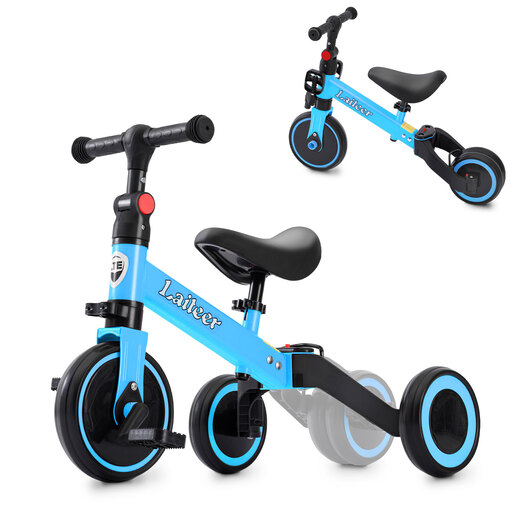
Why this choice suits this profile: this grow-with-me tricycle accompanies a child from 2 to 5 years old, with an adjustable saddle and removable pedals.
The recommended age, saddle height of 40 to 47 cm and the stated maximum load of 25 kg are all provided to help with your choice.
Carbon steel frame, puncture-resistant EVA wheels, removable pedals and a foldable design for easy storage.
We’ve put together a comprehensive list, updated in real time, of products that meet these demanding selection criteria and European safety standards.
Start by checking the manufacturer’s size guide, then look at the frame height, saddle position and distance to the handlebars. For a road bike, the frame size is especially important. On a city or folding bike, a widely adjustable saddle and handlebars offer more flexibility, but they won’t make up for a poorly suited frame.
The lifespan depends on the frame, how often you ride, storage conditions and maintenance. Check the tyre pressure, wheel tightness, brakes and chain regularly. After a partial assembly, check every fastener before your first ride. If you notice any unusual noise, play or uneven braking, have the bike inspected.
Allow for at least a suitable helmet, a lock, front and rear lights for riding in poor light, plus a pump and a repair kit. For daily commutes, a waterproof pannier, mudguards and a luggage rack can also improve comfort. Your real budget should therefore include these accessories and their upkeep, not just the bike’s ticket price.