
Livraison le jour même ou le lendemain

Qualité garantie

Débloquez vos offres de bienvenue: Livraison GRATUITE | Jusqu'à -80 % | 30 jours d'essai gratuits à JoyPlus
Téléchargez l'application
Buying a new bike is the promise of freedom, fresh-air rides, and greener daily commutes. But be careful: faced with a jungle of models, it's easy to make a mistake that can turn this investment into a regret. To ensure you don't go wrong, here are the most common pitfalls to avoid and our advice for making an informed choice.
The three mistakes to avoid when buying a bike:
To avoid getting lost, focus on the three technical specifications that truly make a difference. They will help you sort through the models and find the bike that's right for you.
The frame material directly affects the bike's weight, durability, and handling.
The choice of braking system should be dictated by your environment and riding style.
Your lifestyle determines the type of bike you need.
To put theory into practice, here are a few models that perfectly illustrate this advice, each tailored for a specific user profile.
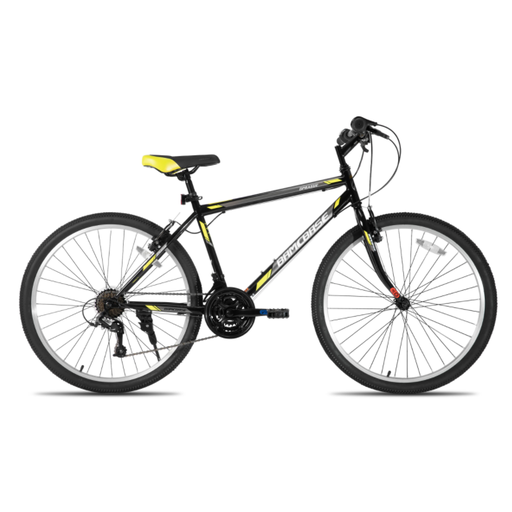
Who is it for? Perfect for those looking for a simple, versatile bike for weekend rides or short trips. Its 21 speeds allow you to confidently tackle gentle hills.
This model is refreshingly honest: it doesn't pretend to be a competition-level MTB. Its Hi-Ten steel frame and V-brakes are reliable and proven choices for recreational use, without falling into the trap of complex, high-maintenance options.
Robust and durable frame. Versatile 21-speed drivetrain for beginners. Precise sizing guide to ensure the right fit.

Who is it for? Designed for those who juggle cycling and public transport. Its feather-light weight (10.4 kg) and ultra-compact fold make it the perfect daily companion.
This folding bike is the perfect example of a specialized bike: it doesn't try to do everything. Its mission: portability and urban efficiency. Its disc brakes are a real safety bonus, essential for dealing with the unpredictability of city traffic.
Feather-light and ultra-compact fold. Reliable disc brakes for the urban jungle. Fits a wide range of rider heights (145 to 190 cm).

Who is it for? For those who want to leave the pavement behind and venture onto dirt paths and trails. This MTB is built to tackle more demanding terrain than a bike path.
This model doesn't fall into the underpowered brake trap. Its dual disc brakes provide superior stopping power, which is vital for safety on descents or slippery terrain. The lightweight aluminum frame and suspension fork confirm its mountain bike credentials.
High-performance disc brakes for all weather conditions. Aluminum frame for lightness and agility. Suspension fork to absorb bumps and improve comfort.
We have selected a full range of bikes that meet our quality criteria and current safety standards.
Frame size is crucial for your comfort and safety. It is chosen based on your height and your inseam measurement. Each manufacturer provides a detailed sizing guide on the product page, with the recommended height range (e.g., 165-180 cm). Take the time to measure yourself and consult it carefully: it's the best way to avoid the most common mistake!
Regular maintenance is the key to extending the life of your bike and riding safely. Here are the essential steps:
It all depends on your riding style. For leisurely rides in good weather, V-brakes are sufficient, economical, and easy to maintain. However, for more demanding use (MTB) or for your daily commutes in all weather, disc brakes are a must. More powerful and reliable in the rain, they are a guarantee of safety.