Joybuy Insights

Bike Buyer’s Guide: How to Find the Right Model for You

Buying a new bike can often feel like a daunting task. Drowning in marketing jargon and a jungle of different models, it's easy to feel lost and end up regretting your choice. This guide is here to cut through the noise and help you focus on what's essential: finding the bike that truly fits your needs, whether for commuting, family rides, or more intense workouts.

The 3 Common Pitfalls to Avoid When Buying a Bike

Before diving into the technical details, let's navigate the three most common traps together.

  1. The "Do-It-All" Bike Myth: Beware of the marketing siren song touting the all-purpose bike. An adult mountain bike will always be heavy and unwieldy for 100% urban use. Conversely, a city bike will quickly show its limitations on dirt trails. The result: a bike that's ill-suited for your primary activity almost always ends up collecting dust in the garage.
  2. Underestimating the Importance of Frame Material: Steel is durable but heavy, a real burden for a folding bike you need to carry or a kids' bike they need to handle. Aluminium, being lighter, often results in a stiffer, less comfortable ride. Relying on a vague "sturdy frame" description without more detail is setting yourself up for an unpleasant surprise on the scale and on the road.
  3. The Race for More Gears: A 21-speed transmission might look impressive on paper, but it's often overkill and more complex to maintain for city trips or for a teenager just starting out. The number of gears should be a practical choice, not a marketing gimmick.

Key Parameters for an Informed Choice

To get it right, focus on these fundamental points that determine the use and comfort of your future ride.

1. Frame and Wheel Size: A Matter of Ergonomics and Safety

Size is THE non-negotiable criterion. A poorly fitted bike is not only uncomfortable but can also be dangerous.

  • For Kids: Size is generally chosen based on wheel diameter in inches. The balance bike or kids' tricycle is perfect for toddlers (2-4 years) discovering their balance. Next come the 12 or 14-inch bike (3-5 years), the 16-inch bike (4-7 years), and the 20-inch bike (6-9 years). Always trust the manufacturer's recommendations, which are based on the child's height, not just their age.
  • For Adults: The frame size (in cm or S/M/L) is paramount and is chosen based on your inseam measurement. As for wheels, 26-inch wheels offer more agility, while 27.5 or 29-inch wheels provide better obstacle clearance—a major asset for a mountain bike. On a folding bike, the wheels are logically smaller (16 or 20 inches) to maximise compactness.

2. The Braking System: Reliability and Maintenance

The braking system plays a crucial role in your safety, especially when the weather and terrain get rough.

  • Rim Brakes (V-Brakes): Simple, lightweight, and easy to maintain, they are more than sufficient for urban use or rides in dry conditions. An economical and reliable option for a city bike or a first MTB.
  • Mechanical Disc Brakes: They provide more consistent braking than V-Brakes, particularly in the rain. This is the happy medium for regular use or a recreational adult MTB.
  • Hydraulic Disc Brakes: They guarantee the highest and most progressive stopping power with minimal effort on the lever. The gold standard for mountain biking on demanding trails or for anyone seeking maximum safety.

3. Bike Type by Use Case

Defining your primary use is the key to staying focused.
  • Urban Commutes: The city bike or folding bike is the clear choice. The latter is unbeatable if you combine cycling with public transport.
  • Leisure and Sport: The adult MTB (or mountain bike) is built for the trails. For tricks, a freestyle BMX will be more suitable. On very soft terrain like sand or snow, the fat bike with its oversized tires is a formidable option.
  • For Kids: Learning ideally begins with a balance bike to develop balance, before moving on to a kids' tricycle or a small bike with training wheels (like a 16-inch bike).

Bike Picks for Every Rider

FOR: The Pragmatic Commuter
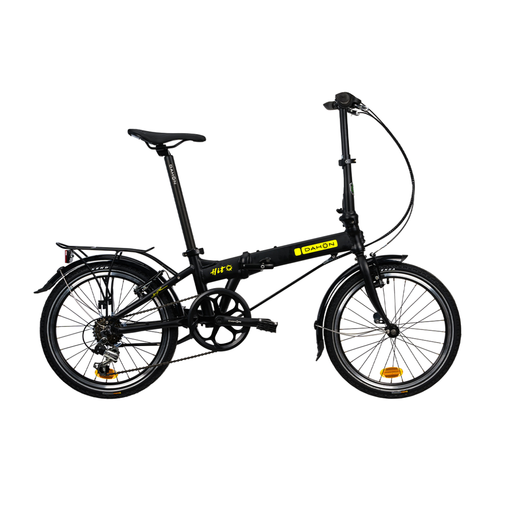
DAHON Folding Bike HIT D6 Obsidian 20''*1.75'' Tire

DAHON Folding Bike HIT D6 Obsidian

Why it's the perfect fit: Ideal for those who juggle cycling and public transport. Its compact folded size (65x34x82 cm) fits easily in the office or a small apartment, while its manageable weight makes it easy to handle.

How it avoids the pitfalls:

This is a pure folding bike, not a compromised hybrid. Its aluminium frame avoids the excess weight trap, and its 6 speeds are perfectly calibrated for urban hills without unnecessary complexity.

The Key Advantage:

Delivered with mudguards and a luggage rack, it's ready for daily riding out of the box. The Shimano Tourney drivetrain is a recognised hallmark of reliability.
FOR: The Family Seeking a First Bike
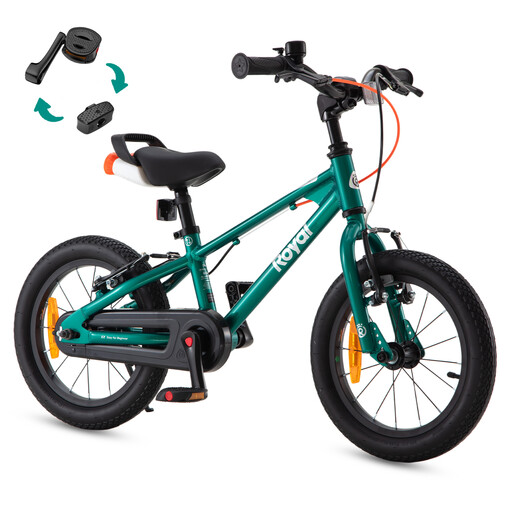
RoyalBaby+kids bike+ Aluminum EZ Freestyle+ 16 inch Green,Net Weight 7.8 kg

RoyalBaby Kids Bike EZ Freestyle 16-inch

Why it's the perfect fit: Designed for learning, this kids' bike is smart and adaptable. Its low frame makes it easy to get on and off, and its feather-light weight (7.8 kg) allows a child to handle it effortlessly—a real confidence booster.

How it avoids the pitfalls:

It sidesteps the pitfall of a heavy frame thanks to its aluminium construction. Its patented system allows you to switch from balance bike mode to pedal mode without tools, avoiding needless complexity for a first bike.

The Key Advantage:

Its 2-in-1 design supports a child from learning balance to their first pedal strokes. The seat and handlebars are adjustable to grow with them.

FOR: The Weekend Adventurer
Hiland, Ridge, Adult Mountain Bike Hi-ten Robust Steel Frame Urban Commuter Bike for Men Women Front Suspension Fork 18 Speed MTB with Dual Disc Brake, 26 Inch

Hiland Ridge Adult Mountain Bike 26-inch

Why it's the perfect fit: A well-equipped adult MTB for getting started on trails and forest paths. Its suspension fork soaks up bumps, while its 18 speeds provide the versatility needed to climb hills and fly down descents.

How it avoids the pitfalls:

This isn't a "do-it-all" bike but a true entry-level mountain bike. It comes equipped with dual disc brakes, a mark of safety for off-road use, and a number of gears consistent with that purpose.

The Key Advantage:

The dual disc brakes ensure responsive and consistent stopping power, even on wet or muddy terrain. The front suspension improves comfort and control on rough trails.

Want to Explore More Options?

Our editorial team has selected a full range of bikes for you that meet our quality criteria and current safety standards.

Frequently Asked Questions

What size bike should I choose for my child?

It's often based on wheel diameter: a balance bike for developing balance (2-4 years), a 16-inch bike for ages 4-7, and a 20-inch bike for ages 6-9. But the foolproof criterion is the child's height and inseam. He or she must be able to place both feet flat on the ground while seated on the saddle at its lowest setting.

Is a folding bike really practical for daily use?

Yes, provided you choose wisely. A good folding bike should be lightweight (ideally under 14 kg), fold and unfold in a snap, and be compact enough to be allowed on public transport or to slide under a desk. The quality of the hinges is a critical point to watch for to ensure its durability and your safety.

Should I prioritise disc brakes for an MTB?

For regular adult MTB use on trails, disc brakes are almost essential. They offer superior and much more reliable braking power in wet or muddy conditions, where rim brakes quickly lose their effectiveness. For occasional use on dry, non-technical trails, however, good quality V-brakes can do the job.