Choose a capacity that suits the loads you wash regularly. Que Choisir says that 8 to 10 kg is generally suitable for a family with children, while 10 to 12 kg may be a better fit if you do several loads in a row or regularly wash bulky items. If space is limited, a top-loading washing machine could work, but its typical capacity of 5 to 8 kg should be weighed against the size of your loads. Then compare the machine’s dimensions, the energy label figures, the Eco 40-60 cycle duration and the noise level, rather than automatically opting for the biggest drum.
Who are these criteria relevant to?
How often you do the washing isn’t the only factor when choosing a capacity: load size and available space matter too.
Families whose laundry basket fills up quickly
Clothes, towels and bedding can mean several loads in quick succession. For a family with children, Que Choisir generally recommends a capacity of 8 to 10 kg; 10 to 12 kg is more suitable if you really do several loads in a row.
Households that regularly wash bulky items
Duvets, throws and larger bedding sets may call for a higher capacity if you wash them in the machine regularly. Que Choisir recommends matching the capacity to your usual loads, rather than choosing a machine based on an item you only wash occasionally.
Households short on width
A top-loading model means you don’t need space for a door to open outwards at the front. Que Choisir gives a typical width of around 40 to 46 cm for this style, but a usual capacity of 5 to 8 kg. Check that this is enough for your frequent, larger loads.
What should you check before choosing?
Start with the loads you wash most often, then make sure the machine will fit in your home. The usage figures can help you compare models with the same capacity.
| Criterion |
What to check |
Your needs |
| Capacity |
Compare the stated capacity in kg with the size of your usual laundry loads and any bulky items you wash regularly. Also check the maximum load for the programmes you plan to use. |
My laundry baskets are often full: Que Choisir’s general guide is 8 to 10 kg for a family with children, and 10 to 12 kg if I do several loads in a row or regularly wash bulky items. |
| Energy use and cycle duration |
ADEME recommends checking the energy label. Compare the kWh per 100 cycles, litres per cycle and Eco 40-60 cycle duration in particular. For smaller loads, check exactly what the manufacturer says about programme adjustments. |
I alternate between full loads and smaller washes: I want to compare the figures for each model without assuming that a larger drum will use less energy for the way I do my washing. |
| Dimensions |
Measure the width, depth and height, and allow enough space for the door to open. Que Choisir says top-loading models are around 40 to 46 cm wide and don’t need clearance at the front, but you’ll need enough room to open the lid. |
In a narrow room, I need to be able to load the machine without blocking the way, while still having enough capacity for frequent washing. |
| Noise and lifespan |
Check the spin noise level and Eco 40-60 cycle duration in the model information. In France, washing machines have been covered by a durability index since 8 April 2025, according to the Ministry for Ecological Transition. |
If I run several cycles close to living areas, noise and cycle duration matter just as much to my routine as drum capacity. |
What mistakes should you avoid when buying?
-
Automatically choosing the largest capacity
Que Choisir points out that a drum that’s too small can mean running more cycles, while an oversized machine that’s rarely full can use more water and electricity than necessary.
Think about the loads you wash regularly before choosing. A duvet that you wash occasionally shouldn’t determine the size of your machine on its own.
-
Assuming the stated capacity applies to every programme
The stated capacity in kilograms doesn’t replace the load limits for the cycles you plan to use.
Check the manual for programmes suited to the fabrics you usually wash, particularly if you often separate your laundry by material or colour.
-
Measuring only the width of a top-loading model
This style needs less space in front of the machine, but you’ll need room above it to open the lid. Its typical capacity is 5 to 8 kg, according to Que Choisir.
Measure the depth and available height too, and check that you can access the installation area. Then make sure the capacity suits the bulky items you wash regularly.
-
Comparing only the energy rating letter
The rating doesn’t tell you how much water the machine uses, how long the Eco 40-60 cycle takes or how noisy it is during the spin cycle. ADEME recommends checking the other information on the energy label too.
Compare these figures for the exact models you’re considering, then check their durability index to help you choose a machine that will be used often.
Which brands and models should you consider?
The features mentioned below apply to specific models; they don’t describe every washing machine made by each brand.
Bosch
The Bosch WGG04209FR is a 9 kg front-loading model to consider if that capacity suits your usual loads.
- Bosch says Active Water Plus is designed to adjust water use for smaller loads on this model.
- The manufacturer’s description doesn’t tell you how much water another Bosch model uses. Check the energy label for the model you’re considering.
AEG
The 10 kg AEG LFR62E114S front-loader may suit a household that alternates between full loads and smaller washes.
- According to AEG, the ProSense function on this model adjusts the cycle duration, water and energy use to the load size.
- This is the manufacturer’s description of this specific model, not a claim that applies to every AEG machine. Check the energy label figures to compare models.
Miele
When considering a Miele model, look at its specifications rather than relying on the brand’s reputation alone.
- The capacity and energy label figures will help you see how a specific model matches your loads and washing routine.
- Before comparing it with other machines, also check its dimensions, Eco 40-60 cycle duration, noise level and durability index.
Washing machines to explore on Joybuy
These five front-loading models, with capacities of 9 or 10 kg, are suited to the needs of families who do the washing frequently. If only a top-loading machine will fit in your home, compare that style with the dimensions of your space and the size of your loads.
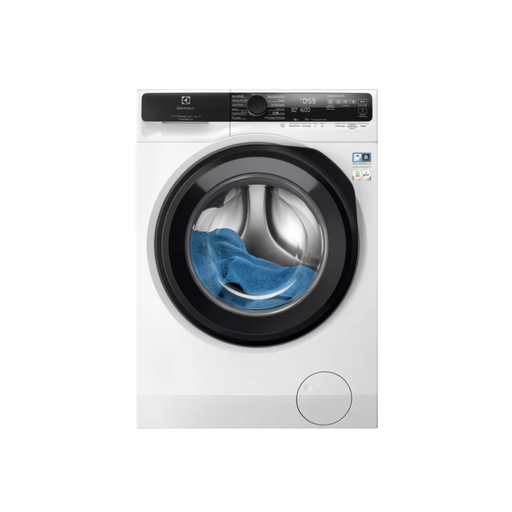 Image unavailable
Electrolux EW7FI259160V SteamCare SmartSelect, 9 kg
Check how this 9 kg capacity compares with the loads your family washes most often. The model name indicates a spin speed of 1600 rpm and a smart feature. Check the product documentation for details of the programmes, their load limits and how SmartSelect works for smaller washes.
View on Joybuy
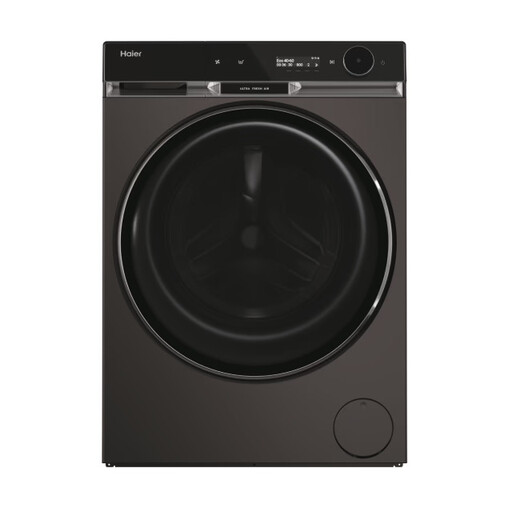 Image unavailable
Haier X Series 11 HW100-BD14397PGU1, 10 kg
This 10 kg capacity is worth considering if you regularly wash full loads. The model name indicates a spin speed of 1400 rpm, along with AutoDose, steam and Wi-Fi features. Check the manual to see which features suit your needs and what load size each programme can handle.
View on Joybuy
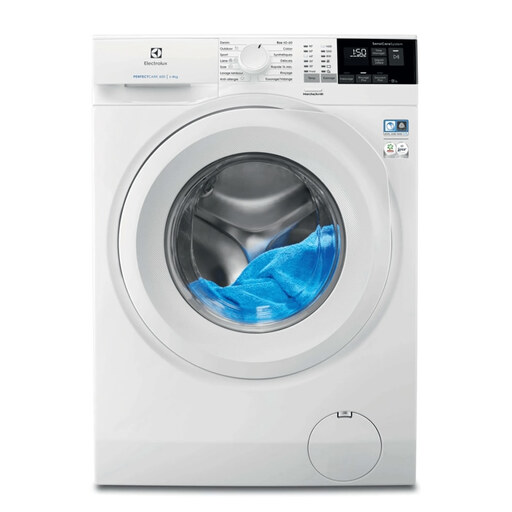 Image unavailable
Electrolux EW6F4109RA, 9 kg
Compare this 9 kg front-loader with the loads your family usually washes. The model name indicates a spin speed of 1400 rpm, but the energy rating information given for this model is inconsistent. Check the label for the exact model before comparing its energy use. Also check that its dimensions suit your space.
View on Joybuy
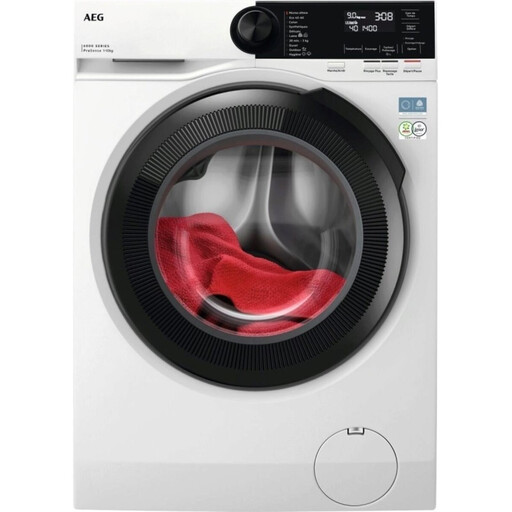 Image unavailable
AEG LFR62E114S ProSense, 10 kg
This capacity may suit households that regularly wash full loads. According to AEG, ProSense adjusts the cycle duration, water and energy use to the load size on the LFR62E114S. However, compare the energy label figures and check the dimensions and load limits for each programme.
View on Joybuy
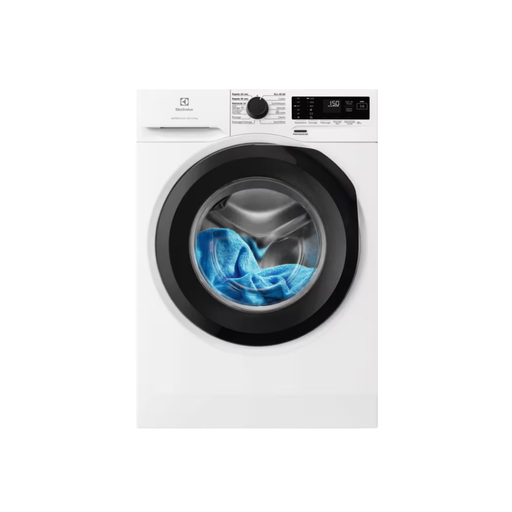 Image unavailable
Electrolux EWF1410N2, 10 kg
This 10 kg capacity is worth considering for regular family-sized or bulky loads. Before choosing, compare the Eco 40-60 cycle duration and the load limits for the programmes you plan to use. The stated capacity alone doesn’t tell you how the machine will handle these loads.
View on Joybuy
Frequently asked questions
What capacity should I choose if I do several loads in a row?
Que Choisir generally recommends 8 to 10 kg for a family with children; 10 to 12 kg may be more suitable if you regularly wash full loads or bulky items. Base your choice on the loads you wash regularly, not just the largest item you wash occasionally.
Does a 10 kg capacity apply to every programme?
Don’t assume that every cycle can handle a 10 kg load. Check the manual for the maximum load for the programmes you plan to use, particularly for fabrics you wash separately.
Is a top-loading washing machine suitable for large loads?
It’s mainly a solution when width is limited: Que Choisir gives a typical width of around 40 to 46 cm and a usual capacity of 5 to 8 kg for this style. If you regularly wash duvets and large loads, check whether this capacity meets your needs. A front-loader with a suitable capacity could be an option if you have enough room to install it and open the door.
What should I compare besides the energy rating?
ADEME recommends checking the energy label to compare water and electricity use, spin performance and noise levels. Also check the Eco 40-60 cycle duration. In France, washing machines have been covered by a durability index since 8 April 2025, according to the Ministry for Ecological Transition. Compare the index for the specific models you’re interested in.


