
Livraison le jour même ou le lendemain

Qualité garantie

Débloquez vos offres de bienvenue: Livraison GRATUITE | Jusqu'à -80 % | 30 jours d'essai gratuits à JoyPlus
Téléchargez l'application
A treasure of Chinese cuisine, Zhenjiang vinegar (or Chinese black vinegar) is the secret ingredient that transforms a dish. Its complex flavour—at once tart, mellow, and umami-rich—makes it an indispensable Chinese condiment for elevating everything from dumplings to stir-fries. But with so many bottles on the shelf, how do you choose the right one?
As a product expert at Joybuy, my mission is to guide you. This guide is designed to break down the secrets of Zhenjiang aromatic vinegar and present our selection of the best options, whether you're a seasoned foodie or simply curious about new flavours.
To ensure you make the right choice, keep these three criteria in mind. They are the key to finding that perfect bottle.
The first thing to check? Look for the PGI (Protected Geographical Indication) label. It guarantees that the vinegar was produced in the city of Zhenjiang, in Jiangsu province, according to time-honoured traditional methods. The words “Zhenjiang Xiang Cu” (镇江香醋) and the official logo on the label are your best guarantee of an authentic product with impeccable quality and taste.
Just like a fine wine or balsamic vinegar, time is Zhenjiang vinegar's best friend. A young vinegar will be sharp and tangy. In contrast, a version aged for several years (6, 10, or more) develops a smoother, rounder body and reveals exceptional aromatic complexity. For everyday cooking, a standard vinegar will do. But for an outstanding dumpling dipping sauce or as a finishing touch on a dish, an aged vinegar makes all the difference.
The authentic recipe for Zhenjiang black rice vinegar is based on a blend of glutinous rice, wheat bran, barley, and peas. It's this unique solid-state fermentation process that gives it its dark colour and distinctive taste. A quick look at the ingredients list is the best way to ensure there are no unnecessary additives. When in doubt, historic brands like Hengshun are a trusted choice, guaranteeing preserved craftsmanship.
To help you find the perfect bottle, here are our three recommendations, each with its own unique character.

Why we love it This is, quite simply, THE gold standard from the Hengshun brand. Protected by its PGI status, it's the vinegar found in countless kitchens in China and around the world for its authentic taste and consistency.
Key Features
Who is it for? The ideal choice for anyone new to Zhenjiang vinegar or for everyday use without compromising on quality. Its excellent value for money makes it a staple for any pantry.
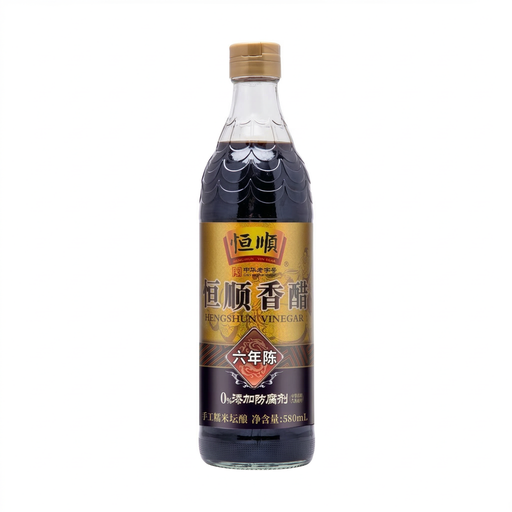
Why we love it Patiently aged for six years, this premium version is in a league of its own. The aging process gives it exceptional complexity, smoothness, and aromatic depth.
Key Features
Who is it for? For connoisseurs and discerning cooks who want to take their dishes to the next level. If you already love classic Zhenjiang vinegar, this aged version will be a true revelation.
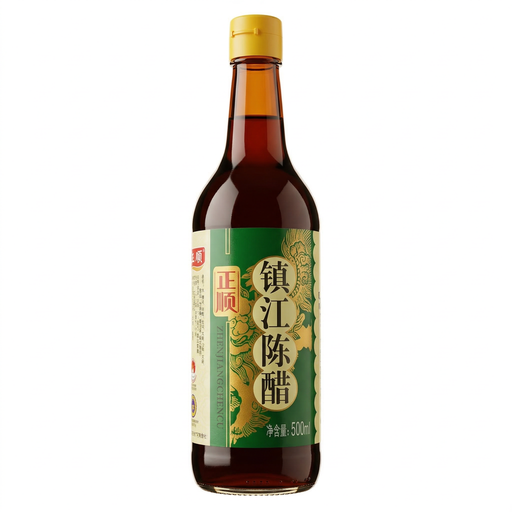
Why we love it From Zhengshun, another renowned producer in the region, this vinegar aged for three years is the perfect compromise between the brightness of a young vinegar and the complexity of an aged one.
Key Features
Who is it for? The smart choice for those looking to upgrade without committing to a very long aging period. It offers a significant aromatic boost while remaining highly versatile.
These three vinegars are excellent starting points, but the world of Chinese black vinegar is vast. To discover other brands, different aging periods, or various sizes, explore our full collection.
? Discover Our Entire Range of Zhenjiang Vinegar
1. What is the difference between Zhenjiang vinegar and regular rice vinegar? Regular rice vinegar, which is often clear or pale yellow, is made solely from fermented rice. It's lighter and milder, making it perfect for sushi rice. Zhenjiang vinegar, or black rice vinegar, is far more complex: it's made from glutinous rice, but also wheat and other grains. This is what gives it its dark colour, denser texture, and unique, malty, umami flavour.
2. How do I use Zhenjiang vinegar in cooking? Its greatest strength is its versatility. It is essential as a dumpling dipping sauce (mixed with a little soy sauce and sesame oil, it's a delight). It also works wonders in braised dishes (like Dongpo pork), hot and sour soups, marinades, or simply for deglazing a pan.
3. How should I store Zhenjiang vinegar after opening? Vinegar keeps very well. Simply keep the bottle tightly sealed in a cupboard, away from heat and light. There's no need to refrigerate it. A slight sediment may form at the bottom over time; this is a natural phenomenon that doesn't affect the vinegar's quality.