
Livraison le jour même ou le lendemain

Qualité garantie

Débloquez vos offres de bienvenue: Livraison GRATUITE | Jusqu'à -80 % | 30 jours d'essai gratuits à JoyPlus
Téléchargez l'application
Slipping during Downward-Facing Dog?? Knees begging for mercy on a hard floor?? Choosing a good yoga mat is no small detail?: it's the foundation for a comfortable and safe practice, whether you're a beginner or a seasoned yogi. Faced with a maze of materials, thicknesses, and textures, it's often difficult to know where to start.
This guide is here to cut through the noise and help you find the mat that's perfectly suited to your practice and your needs.
Before diving into our top picks, let's review the three essential points to consider when searching for the perfect companion for your yoga, Pilates, or fitness sessions.
Your mat's material directly impacts its grip, durability, comfort, and ecological footprint.
A mat's thickness, which typically ranges from 3 to 10?mm, is always a trade-off between cushioning and stability.
A non-slip yoga mat is essential for practising with confidence and preventing injuries. The grip depends on the material and the surface texture (look for embossed or raised finishes). As we've seen, some materials like cork really shine by becoming grippier with sweat, a real bonus for intense practices.
After comparing numerous models, here are three mats that stand out for meeting specific needs.
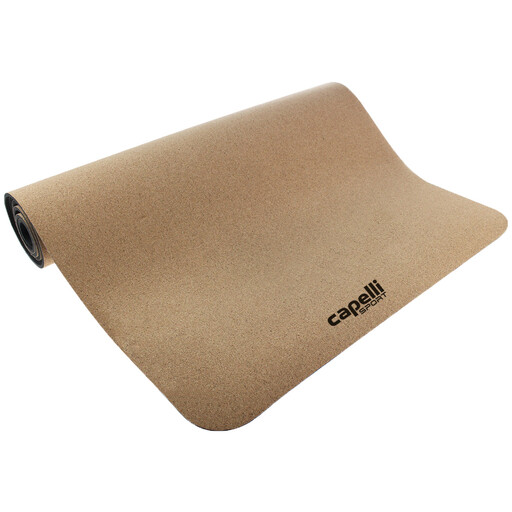
What sets it apart
This mat combines a natural cork surface with a TPE base. Its real asset is its cork surface, whose grip improves with heat and perspiration. It's the perfect ally for intense sessions and Hot Yoga.
Key Features
Who is it for?
For fans of dynamic yoga (Vinyasa, Ashtanga) and Hot Yoga. It will also appeal to all yogis, men or women, looking for an eco-friendly yoga mat without compromising on performance.
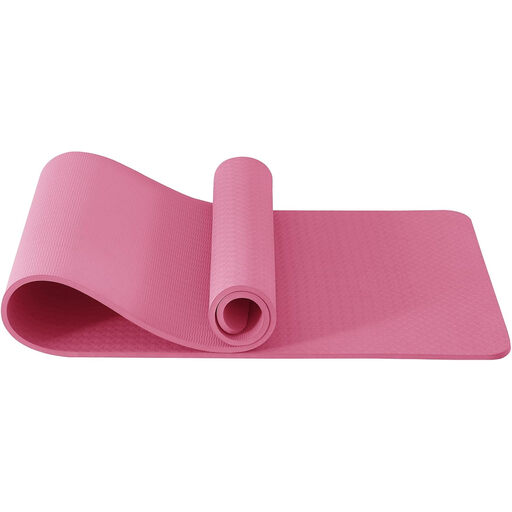
What sets it apart
With its 10?mm thickness, this mat goes all-in on comfort. Made from high-density TPE, its mission is simple?: to provide maximum cushioning to turn your floor sessions into a moment of pure well-being.
Key Features
Who is it for?
Ideal for beginners, people with sensitive joints, or for gentle practices (Yin Yoga, Restorative). Its versatility also makes it an excellent Pilates mat or fitness floor mat.
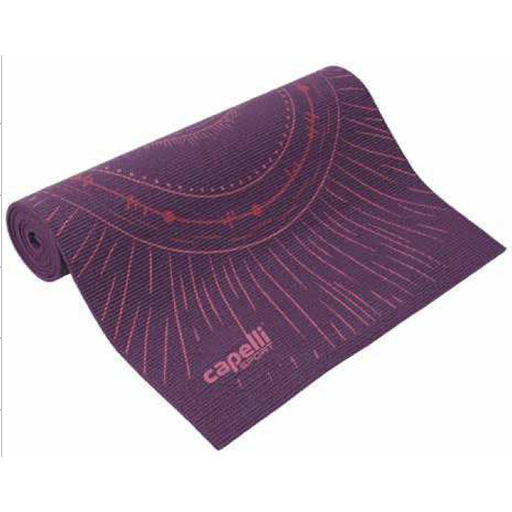
What sets it apart
This PVC mat is a true all-rounder, combining durability with versatility. Its textured surface offers reliable stability for a wide variety of exercises, from yoga to fitness.
Key Features
Who is it for?
For those looking for a reliable, versatile, and durable first mat for yoga, Pilates, or strength training at home.
Every yogi is unique. If these models don't perfectly match your expectations (colour, material, dimensions), many other options are available to you.
? Discover our entire selection of yoga mats to explore a wider range of choices.
For a PVC or TPE mat, use a damp cloth with a little mild soap (like Castile soap). Rinse with another cloth soaked in clean water, then let it air dry away from direct sunlight. For a cork mat, a simple damp cloth is sufficient. In any case, avoid the washing machine and harsh detergents!
A yoga mat prioritises grip to ensure stability in postures. A fitness mat, on the other hand, focuses primarily on thickness to cushion impact during floor exercises (planks, crunches...). Grip is less critical. However, note that a thick yoga mat can serve perfectly well as a fitness mat, offering an excellent compromise.
There are several tell-tale signs?: your mat is losing its grip and becoming slippery, it's flaking or shedding small pieces, or the cushioning has become so compressed that you can feel the floor through it. If you notice any of these signs of wear, it's time for a replacement to ensure your comfort and safety.