
Livraison le jour même ou le lendemain

Qualité garantie

Débloquez vos offres de bienvenue: Livraison GRATUITE | Jusqu'à -80 % | 30 jours d'essai gratuits à JoyPlus
Téléchargez l'application
Protecting your home or business has become a top priority. But with the sea of available models, choosing the right wireless outdoor security camera can quickly become a headache. 4K or Full HD resolution? Battery or solar power? With or without a subscription? Don't worry, we're here to help you make sense of it all.
This guide is designed to shed some light on the subject. As a product expert for Joybuy, my role isn't to just read off a spec sheet, but to give you objective insights to make the right choice, free from marketing jargon. Together, we'll break down the criteria that truly matter and present our selection of the best models for 2026, with a focus on performance, ease of installation, and, most importantly, subscription-free video surveillance solutions.
To avoid choosing the wrong outdoor Wi-Fi camera, you need to understand a few technical points that make all the difference in daily use.
Being able to identify a face or read a license plate, day or night, is simply non-negotiable.
The term "?wireless?" primarily refers to the network connection (Wi-Fi), but make no mistake?: the power source is a crucial point not to be overlooked.
A good camera does more than just record?: it must alert you intelligently and ensure the privacy of your recordings.
Here is a selection of models that check all the boxes for security, flexibility, and cost control.
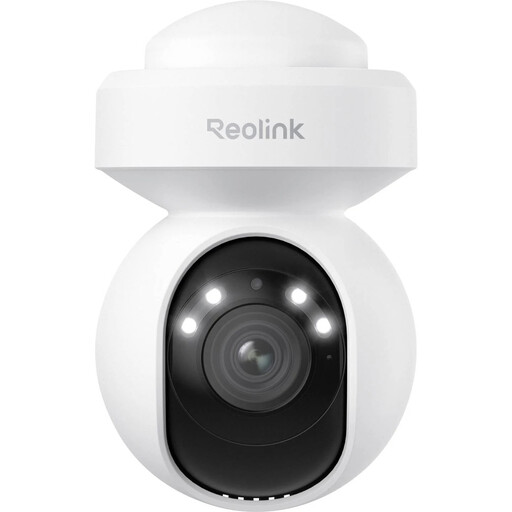
Why it stands out?: The Reolink E540 is a true Swiss Army knife. Its motorised head that pans and tilts, combined with a true 3x optical zoom, allows it to scan large areas and focus on distant details without pixelation. A major asset for monitoring a large garden or driveway.
Key features?:
Who is it for?? For those who want a single camera capable of monitoring a vast area, with the ability to track a moving target and zoom in precisely on a point of interest.
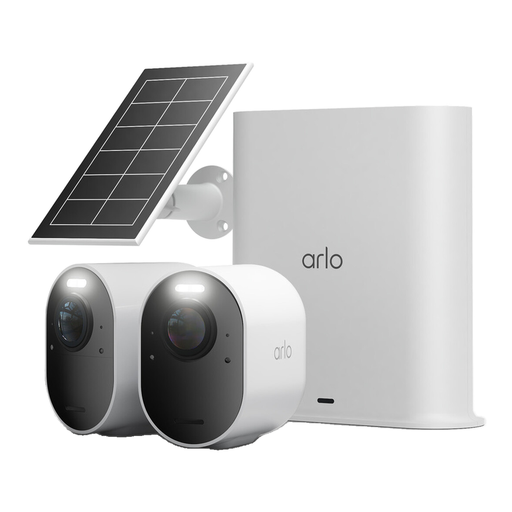
Why it stands out?: This Arlo outdoor surveillance kit goes all-in on image quality. With its 4K HDR resolution and an extra-wide 180° field of view, it's designed for those who refuse to compromise on sharpness and coverage angle. The included solar panel is the icing on the cake for enhanced autonomy.
Key features?:
Who is it for?? For homeowners or small business managers who demand top-tier video quality and maximum coverage to secure a facade, car park, or large garden.
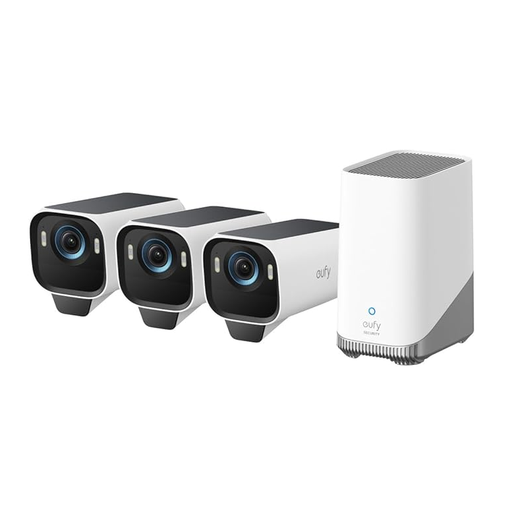
Why it stands out?: The eufy S3 Pro kit plays the autonomy and intelligence card. Each camera has its own integrated solar panel and benefits from dual detection (radar and infrared) for rock-solid reliability. The brain of the system is the HomeBase S380?: it centralizes local storage (expandable up to 16?TB!) and features facial recognition AI. Privacy and ultra-relevant alerts are guaranteed.
Key features?:
Who is it for?? For tech enthusiasts who want to build a true security ecosystem that is autonomous, comprehensive, and privacy-focused. It's ideal for keeping control of your data without ever paying a subscription.
Beyond simple security, an outdoor Wi-Fi camera can be transformed into a nature observatory. If you're curious about which animals visit your garden at night, you should know there are models specifically designed for wildlife observation.
Discover our range of wildlife cameras
1. What is the range of an outdoor Wi-Fi security camera? The range depends on the strength of your Wi-Fi router and any obstacles (thick walls, trees, etc.). Generally, you can expect between 15 and 50 meters (about 50-165 feet) in an open area. To cover longer distances, adding a Wi-Fi extender or installing a mesh system is the best solution to ensure a stable signal.
2. Is a subscription-free security camera truly effective? Yes, absolutely?! A camera's effectiveness has nothing to do with its business model. A subscription-free solution, with local storage on a microSD card or a HomeBase, offers the exact same detection and recording functions. The advantages are significant?: you maintain complete control over your data and have no hidden monthly fees.
3. What are the legal guidelines for installing an outdoor camera? Laws regarding outdoor cameras vary by location, but a common principle is that you can film your own private property (house, garden, driveway). However, you are generally prohibited from recording public spaces (the street, sidewalk) or your neighbours' property where they have a reasonable expectation of privacy. The camera's viewing angle must be carefully adjusted to only capture your private space. It's also considered good practice to inform anyone working at your home (e.g., domestic help, gardeners) about the presence of the video surveillance system.