
Livraison le jour même ou le lendemain

Qualité garantie

Débloquez vos offres de bienvenue: Livraison GRATUITE | Jusqu'à -80 % | 30 jours d'essai gratuits à JoyPlus
Téléchargez l'application
By the Joybuy editorial team, July 18, 2026
Crowded commutes, noisy open-plan offices, or simply the need to create a bubble of peace... Noise is everywhere, and it's often the number one enemy of our concentration. This is where wireless noise-cancelling headphones come in: an invaluable ally for blocking out unwanted noise and finally enjoying your music, podcasts, or work.
With a jungle of models on the market, it can be hard to know where to start. Our mission is simple: to decode the marketing jargon for you and give you the keys to finding the headphones that truly meet your needs.
Before diving into our top picks, let's review the key factors that will make all the difference in your daily use.
This is the crucial feature. Active Noise Cancellation (ANC) is a technology that uses microphones to capture ambient sounds and generate an opposing sound wave to cancel them out. Its effectiveness varies dramatically from one model to another. The best headphones offer multiple levels of isolation, as well as a "Transparency" (or "Aware") mode that, conversely, amplifies external sounds. This is an essential safety feature in urban environments. A good pair of noise-cancelling Bluetooth headphones must excel at eliminating constant, low-frequency sounds, like an airplane engine or the hum of an office.
Headphones are often worn for hours on end, so comfort is non-negotiable. The over-ear Bluetooth headphone form factor, which completely encloses the ears, is the most common. It provides excellent passive (mechanical) isolation and ideal comfort for long listening sessions. The quality of the earcups (memory foam, soft leatherette) and the weight of the headphones are crucial. Also, be sure to check the headband's padding and adjustability to avoid any uncomfortable pressure points on your head.
Battery life means freedom. For travel headphones, aim for at least 20 hours of listening time with ANC enabled for peace of mind. A fast-charging feature, providing several hours of playback from just a few minutes of charging, is a real bonus that can be a lifesaver. On the connectivity front, while Bluetooth is the standard, not all headphones are created equal. For audio purists, support for high-resolution audio codecs like LDAC is a definite advantage. Finally, the ability to plug in an audio cable when the battery is dead turns your wireless headphones into a foolproof backup plan.
Here are three models that stand out from the crowd, each catering to different needs and budgets.
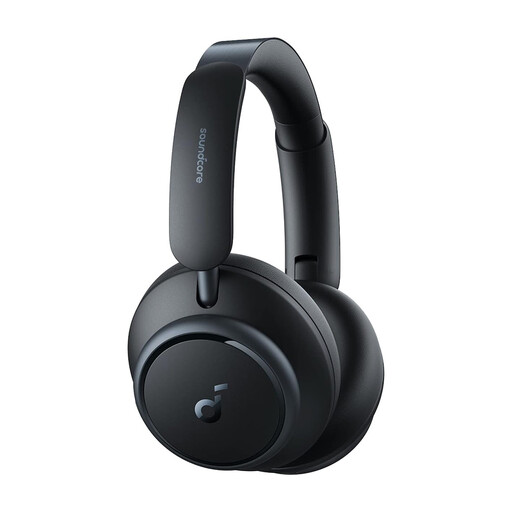
Why it stands out?: The Anker Soundcore Space One Pro is all about versatility and endurance. Its foldable design, dubbed FlexiCurve, makes it particularly compact and easy to carry. It shines with its record-breaking battery life and compatibility with the LDAC codec for high-definition wireless listening.
Pros?:
Who is it for?? For nomads and frequent travellers who need maximum battery life and a compact form factor without sacrificing sound quality.
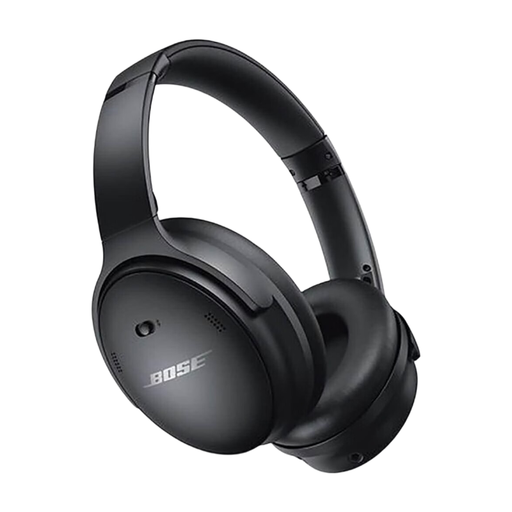
Why it stands out?: The Bose QuietComfort headphones are simply the gold standard for noise cancellation. The technology continuously analyses ambient noise to neutralise it with stunning accuracy. They are also an icon of comfort, thanks to incredibly soft materials and minimal pressure on the ears, making them perfect for extended wear.
Pros?:
Who is it for?? For those who work in open-plan offices, have long commutes on public transport, or simply demand the best noise cancellation on the market, with premium comfort as a bonus.
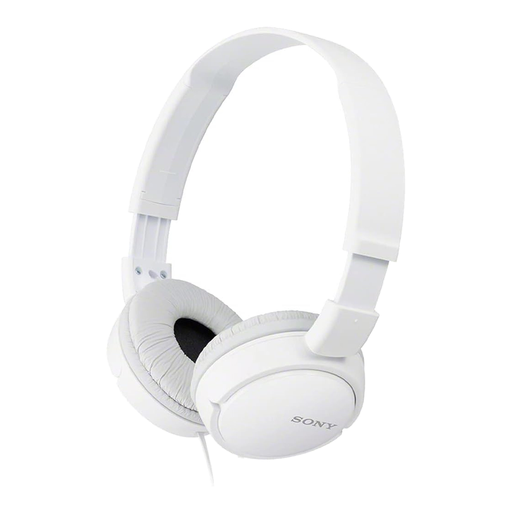
Why it stands out?: For those who prefer the simplicity and reliability of a wired connection, the Sony MDR-ZX110 is a reliable choice. These foldable wired headphones are featherlight, incredibly easy to transport, and, most importantly, never run out of battery. They get straight to the point: delivering clear, balanced sound with no frills.
Pros?:
Who is it for?? Students, anyone looking for a reliable backup pair, or simply those who don't want to deal with battery management.
Even with wireless headphones, keeping a cable handy is an excellent idea. It will save the day if your battery dies and allow you to connect to non-Bluetooth devices, like in-flight entertainment systems.
? Discover our selection of jack cables to be prepared for any situation.
Passive reduction is "mechanical" isolation: the shape of the over-ear headphones and their cushions physically block a portion of the sound. Active cancellation (ANC) is technology: microphones listen to ambient noise, and the headphones produce an "anti-noise" signal to cancel it out electronically. The two work together.
ANC excels at cancelling low-pitched, continuous noises (engines, ventilation). It is less effective against sudden, high-pitched sounds like conversations. However, by combining ANC with music, even at a low volume, the immersion is so complete that most discussions around you will become inaudible.
Absolutely! In fact, that's where they shine. A pair of travel headphones with good ANC transforms the roar of the engines into a gentle hum, making the flight infinitely more relaxing. Most airlines allow Bluetooth use after takeoff, but it's always a good precaution to check their specific rules.