
Livraison le jour même ou le lendemain

Qualité garantie

Débloquez vos offres de bienvenue: Livraison GRATUITE | Jusqu'à -80 % | 30 jours d'essai gratuits à JoyPlus
Téléchargez l'application
The wireless headphone market is a jungle. Between different form factors, noise-cancelling technologies, and battery life promises, it's tough to navigate. Should you splurge on in-ear buds or over-ear headphones? Is noise cancellation truly a must-have for your daily routine?
I'm the Head of Product Recommendations at Joybuy, and my mission is simple: to do the legwork for you. This guide is here to help you gain clarity and choose the headphones that will truly fit your lifestyle, whether for commuting, sports, or tuning out distractions at the office.
Before diving into our top picks, let's review the three factors that will make all the difference in your decision.
The ideal form factor depends primarily on your use case and the level of comfort you're looking for.
Active noise cancellation isn't magic: it uses microphones to capture ambient sounds and creates an opposing sound wave to neutralize them. If you're a regular commuter, work in a noisy open-plan office, or frequently take long-haul flights, noise-cancelling headphones will literally change your life. The best models even offer adjustable cancellation levels or a "Transparency" mode to stay aware of your surroundings without taking them off.
Your headphones' stamina should match your pace. For heavy all-day use, look for models that last at least 7 hours on a single charge, with a case that can provide several full cycles. Also, consider fast charging: just a few minutes plugged in can give you several hours of listening time. A real lifesaver for forgetful users and those with packed schedules.
This audio comparison breaks down three models with distinct philosophies, each designed for very different needs.

Why they stand out
The Liberty 4 Pro are all about immersion, featuring a particularly sophisticated adaptive noise cancellation system. According to Anker, the system uses 7 sensors to scan your environment in real time and adjust the isolation on the fly. Sound-wise, the ACAA acoustic architecture promises deep bass and crystal-clear highs.
Key features
Who are they for?
For commuters and discerning audiophiles looking for in-ear headphones that can create a bubble of silence on public transport while delivering high-fidelity sound.
Why they stand out
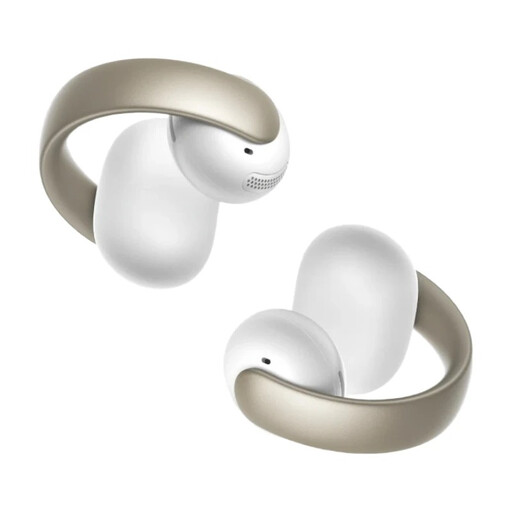
The AeroClip take the complete opposite approach with their open-ear design. They don't go into your ear but clip onto it, leaving the ear canal unobstructed. The goal? A dual advantage: absolute comfort with zero pressure, and perfect awareness of your surroundings. A real bonus for outdoor safety.
Key features
Who are they for?
Perfect for athletes (runners, cyclists) and anyone who wants to listen to music or podcasts while staying connected to the world around them. An excellent alternative for people who can't stand in-ear headphones.
Why they stand out
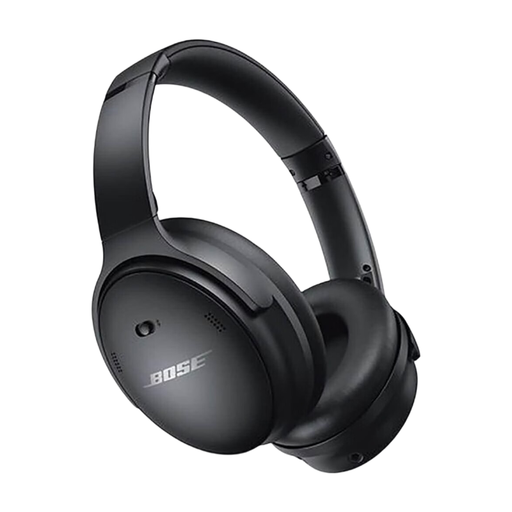
Bose QuietComfort: a name that has become synonymous with exceptional noise cancellation. These over-ear Bluetooth headphones are no exception, offering stunning sound isolation. But comfort is just as impressive, with premium materials and a perfectly calibrated clamping force to prevent fatigue. Their greatest strength lies in their versatility, with a perfect balance between Quiet Mode (for silence) and Aware Mode (for perception).
Key features
Who are they for?
Frequent flyers, professionals in open-plan offices, and anyone for whom noise cancellation and long-lasting comfort are non-negotiable criteria.
Our selection is just a glimpse of what's available. If noise-cancelling technology is what you're most interested in, many other gems are waiting to be discovered.
? Discover our complete collection of noise-cancelling Bluetooth headphones to explore more options.
Passive noise cancellation relies on the purely physical isolation of the headphones (the ear tips that seal the ear canal, the earcups that enclose the ear). Active noise cancellation (ANC), on the other hand, is an electronic technology: microphones analyze ambient sounds, and a chip generates an "anti-noise" signal to cancel them out. The result is far more dramatic isolation, especially for constant noises (engines, ventilation...).
Open-ear headphones are designed primarily for safety and comfort, keeping you connected to your environment. By their very nature, the audio experience is less immersive: bass is often less pronounced, and external sounds will naturally filter in. However, the latest models have made huge strides and offer perfectly respectable sound quality for daily listening, podcasts, or calls.
For in-ear headphones, 6 to 8 hours of listening time per charge is an excellent benchmark today, especially if the case provides an additional 20 to 30 hours in total. For over-ear headphones, the standard is closer to 20 to 30 hours, which ensures true peace of mind, even on a transatlantic flight.