
Livraison le jour même ou le lendemain

Qualité garantie

Débloquez vos offres de bienvenue: Livraison GRATUITE | Jusqu'à -80 % | 30 jours d'essai gratuits à JoyPlus
Téléchargez l'application
Bluetooth wireless earbuds may look interchangeable in photos, but they are not all designed for the same uses. A model suited to your daily commute may not be the best choice for a runner, cyclist or anyone who wants to listen to music while swimming.
Before placing your order, three common pitfalls are worth bearing in mind: battery life quoted with the charging case rather than the earbuds alone, water resistance mistaken for complete waterproofing, and active noise cancellation that is not well suited to activities where you need to stay aware of your surroundings. Comfort, compatibility with your phone and the availability of accessories will also make a difference over time.
A product page may advertise 24 or 30 hours of battery life, but this figure usually includes the extra charges provided by the case. You therefore need to distinguish between:
For a full day of travelling and working, a high total battery life with the case is useful. For a long workout, however, check how long the earbuds last without an intermediate charge.
Earbuds with active noise cancellation use microphones and electronic processing to reduce certain ambient sounds. This feature is particularly enjoyable on trains, aeroplanes or in a noisy open-plan office. However, it does not eliminate every sound and may make vehicles, bells and announcements less noticeable.
Open-ear earbuds leave the ear canal unobstructed. They are therefore better suited to walking, cycling or running when awareness of your surroundings remains a priority. Bone-conduction headphones, meanwhile, transmit vibrations through the area near the cheekbones without being inserted into the ears. The sound reproduction, particularly the bass, may nevertheless differ from that of in-ear earbuds.
Whatever format you choose, nothing replaces staying alert in traffic. Whether cycling on public roads or driving, keep the volume at a moderate level and follow the rules in force.
The IP54, IPX4, IP67 and IP68 ratings do not offer the same levels of protection. The first digit generally concerns dust, while the second indicates water resistance. The letter ‘ X ’ means that no rating has been declared for the corresponding criterion.
In practice:
If you plan to swim, check the connectivity too: Bluetooth does not transmit well through water. A model with built-in memory that can play MP3 files may therefore be more suitable than streaming from a smartphone.
Compatibility is also worth checking. Integration features are often more extensive with an iPhone and Apple AirPods, or with a Samsung smartphone and Samsung Galaxy Buds. With standard Bluetooth, audio playback and calls are generally available on many devices, but some advanced features depend on the operating system being used.
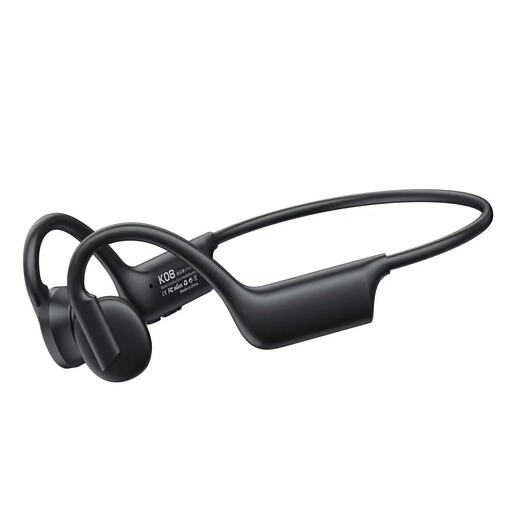
Why this choice suits this user profile : its open design and stated weight of around 25 g make it an accessible introduction to bone conduction, suitable for walking, cycling or working out at the gym.
The product page clearly distinguishes sports use and advises against deep immersion. This helps prevent confusion between sweat resistance and protection suitable for swimming.
Wireless Bluetooth, built-in microphone, stated battery life of 7 to 10 hours depending on the version, and an IPX5 rating listed for certain variants.
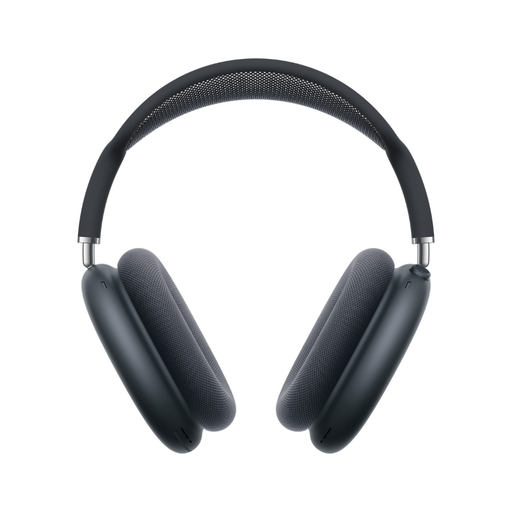
Why this choice suits this user profile : this Bluetooth headset is designed for those looking for an immersive listening experience, effective ANC and advanced integration with several Apple devices.
The product page clearly states around 20 hours of battery life with the audio and noise-control features enabled, rather than quoting an overall figure that could be difficult to interpret.
H2 chip, Bluetooth 5.3, USB-C charging, Transparency mode, personalised spatial audio and controls via a Digital Crown.
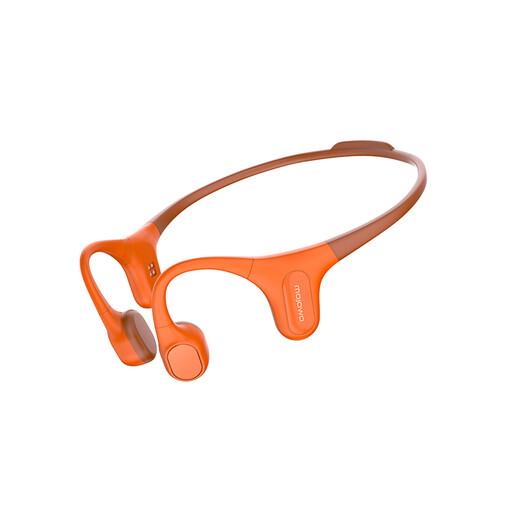
Why this choice suits this user profile : its 32 GB of built-in memory lets you listen to audio files without a phone, including at the swimming pool or during a workout when your smartphone is left in the changing room.
The product page specifies that you need to switch to MP3 mode underwater, as Bluetooth does not work well during immersion.
Stated IP68 rating, 32 GB of storage, Bluetooth 5.2, around 8 hours of battery life and a dedicated swimming equaliser.
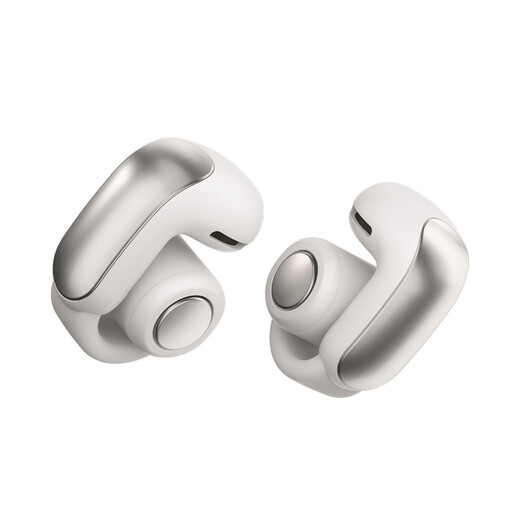
Why this choice suits this user profile : the open clip-on design leaves your ears unobstructed for running, walking or cycling, while multipoint connectivity makes it easy to switch between devices.
The absence of ANC is clearly stated, so the model does not promise isolation that would conflict with its open-ear listening principle.
Up to 7 hours of playback, up to 25 hours with the case, multipoint connectivity and IPX4 splash protection.
We have put together a comprehensive, real-time updated selection of products that meet these demanding criteria and European safety regulations.
Charge the earbuds and their case, open the case, then activate Bluetooth in your phone’s settings. Next, select the product name from the list shown. With some Apple or Samsung models, a set-up window may appear automatically. If the connection fails, remove the previously registered device before trying to pair again.
It depends on the battery, how often they are used, exposure to moisture and how well they are maintained. Avoid high temperatures, do not store wet earbuds in their case and use a compatible charger. Like any built-in battery, the battery in your earbuds will eventually lose capacity. Before buying, compare the warranty, returns policy and availability of after-sales service.
Charging generally requires little energy. Consumption does increase with intensive use, high volume and ANC being left on continuously. To reduce how often you need to recharge, turn off unnecessary features, put the earbuds back in their case after use and avoid leaving the case plugged in permanently.