
Livraison le jour même ou le lendemain

Qualité garantie

Débloquez vos offres de bienvenue: Livraison GRATUITE | Jusqu'à -80 % | 30 jours d'essai gratuits à JoyPlus
Téléchargez l'application
The whey protein market is a jungle: dozens of brands, enticing marketing promises, and technical jargon that can make your head spin. For athletes of all levels, from beginners to seasoned pros, it's easy to get lost and choose a product that doesn't align with their goals. Behind the flashy packaging often lies a subpar formula that could hinder your progress.
Before you pull out your credit card, learn to avoid the most common pitfalls to ensure you're investing wisely in your nutrition.
To make the right choice, focus on a few key technical criteria. These are what determine the true quality of the product and its effectiveness for your goals.
Whey protein comes in three main forms, each with its own advantages:
Proteins are made up of amino acids, the famous "building blocks" of muscle. Among them, BCAAs (branched-chain amino acids: leucine, isoleucine, and valine) are crucial for strength training. They trigger protein synthesis (muscle building) and help delay fatigue. A quality whey should contain a good dose, typically around 5g per 25g serving.
Scrutinize the ingredient list and nutritional panel. A low-sugar protein (ideally less than 2g per serving) and low-fat content are tell-tale signs of quality. The ingredient list should be as short as possible, with whey protein at the top. While sweeteners (sucralose, stevia) are commonplace, a long list of thickeners, colorings, and artificial flavors should be a red flag about the product's purity.
Rather than an endless list, we've matched athlete profiles with products that check all the boxes for quality and transparency.
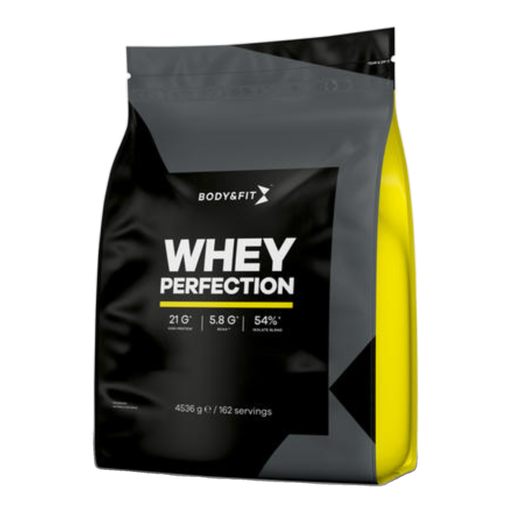
Why we chose it: This XXL size is unbeatable for those who use whey daily and are looking for the best quantity-to-price ratio. It's enough to cover your needs for several months without compromising on quality.
It avoids the extra cost of small tubs and complex marketing formulas. Its composition is clear (a blend of concentrate, isolate, and hydrolysate), and its cost per serving is simply unbeatable.
Provides 162 servings of 22g of protein and 5g of BCAAs, making it one of the most cost-effective options on the market for daily use.
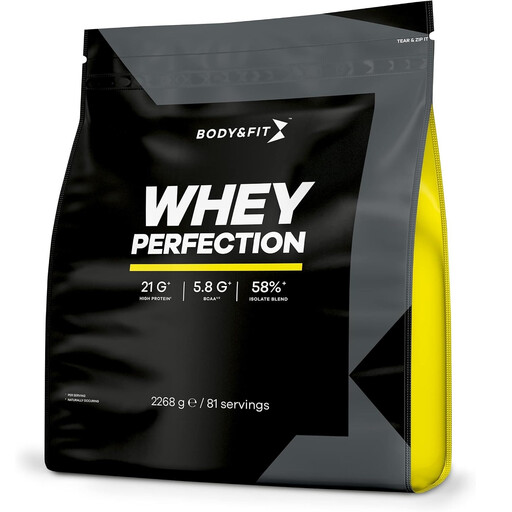
Why we chose it: Perfect for those aiming for rapid absorption and maximum purity. Its high content of whey isolate and low sugar levels make it a prime ally for recovery and lean muscle gain.
It avoids the hidden sugar trap with only 1.5g per serving. Its formula is crystal clear, featuring a blend with 50% whey isolate for maximum effectiveness.
Each serving delivers 22g of fast-absorbing protein, 5g of BCAAs, and 3.6g of L-Glutamine to optimize muscle recovery.
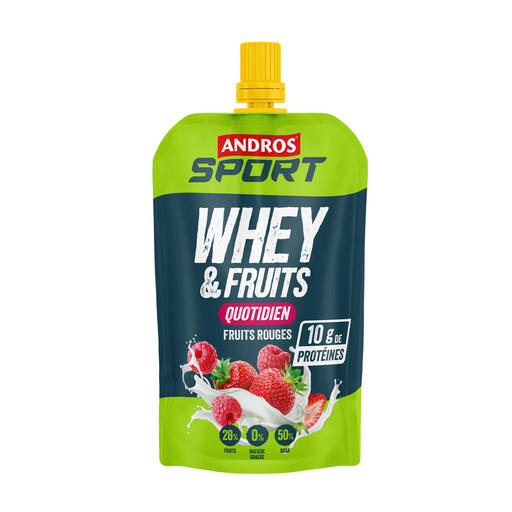
Why we chose it: No time to mix a shaker? This ready-to-drink pouch is the ideal solution. It slips into any gym bag for a quick protein boost right after your workout.
It gets straight to the point: 10g of milk protein, with no added sugars, no fat, and no marketing fluff. Just the essentials.
The pinnacle of convenience. Made in France with 30% fruit, this product combines nutrition and taste with zero prep time.
Explore our full selection of products that meet our quality standards and comply with current regulations.
The most recommended time is within 30 to 60 minutes post-workout. This is the famous "anabolic window," during which muscles are like nutrient sponges, optimizing muscle recovery. A whey shake is also effective upon waking to break the overnight fast, or as a snack to meet your daily protein quota.
No, when consumed wisely as part of a balanced diet, protein does not cause weight gain. On the contrary, it increases satiety and helps maintain muscle mass—a tissue that burns more calories at rest than fat does. Weight gain is almost always linked to an overall calorie surplus, often fueled by low-quality powders packed with sugars and fats.
Absolutely! Protein powder is a surprisingly versatile ingredient. Feel free to incorporate it into your recipes to boost their protein content:
By choosing a neutral or versatile flavor (vanilla, chocolate), you'll multiply your culinary possibilities.