
Livraison le jour même ou le lendemain

Qualité garantie

Débloquez vos offres de bienvenue: Livraison GRATUITE | Jusqu'à -80 % | 30 jours d'essai gratuits à JoyPlus
Téléchargez l'application
Lack of space, constant clutter… it's a daily headache in many homes. The pile of coats on a chair, towels that won't dry properly in the bathroom, tools scattered around the garage… Fortunately, a simple and effective solution exists. The wall hook: an accessory as discreet as it is essential for reclaiming every square foot.
Faced with an overwhelming selection of models, mounting types, and styles, making the right choice can be difficult. This guide is here to shed some light and help you find the perfect hook, whether you need an ultra-strong model for heavy loads or a designer piece to elevate your entryway.
To avoid any mistakes, three criteria should be carefully considered to ensure a successful and long-lasting purchase.
This is arguably the number one criterion. The mounting type determines not only the weight the hook can support but also its impact on your walls.
adhesive hook?: The perfect solution for renters and anyone who dreads breaking out the drill. Next-generation adhesives provide excellent hold on smooth surfaces like tile, glass, or painted walls. It's the ideal option for a bathroom hook, especially when you want to keep your tile intact. The downside: its load capacity is generally limited.screw-in hook?: For heavy loads, this is the most robust and durable solution. A proper coat hook or a rack for garden tools will require this type of mounting, using anchors suited to the wall type (solid, drywall, etc.). Installation requires a bit of elbow grease and a few tools, but it guarantees long-term peace of mind.The material has a direct impact on the sturdiness, longevity, and, of course, the style of your hook.
designer touch.Forget the purely utilitarian object: the hook has become a true decorative accessory. While a wall mount in a garage will focus entirely on functionality, a wall-mounted coat rack in an entryway can become a centerpiece of your decor. Consider matching it to your style: industrial, Scandinavian, minimalist, or more traditional.
To put theory into practice, here are a few models that caught our eye for their clever design and thoughtful functionality.
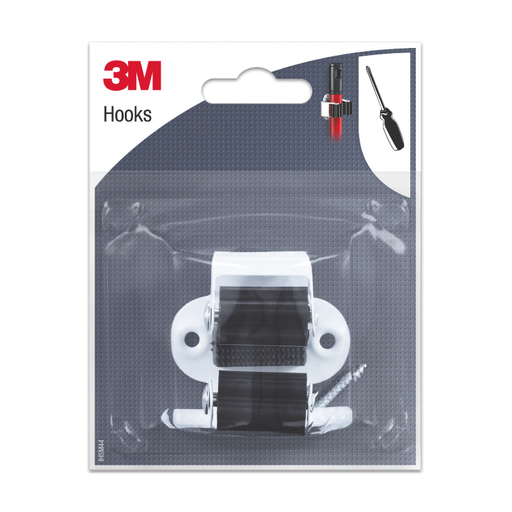
What sets it apart?: Specially designed for organizing tools, its ingenious gripper system clamps onto handles for neat and secure storage in the garage, garden shed, or utility room.
Pros?:
Who is it for? Anyone looking to bring order to their garage, laundry room, or workshop with a reliable solution designed for long-handled tools.
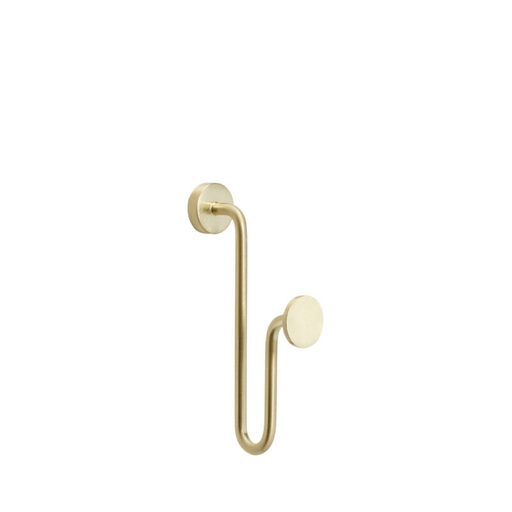
What sets it apart?: This model is proof that function can be beautiful. With its polished brass finish and swivelling design, it's a true designer hook that adds an instant touch of elegance.
Pros?:
Who is it for? For aesthetes seeking a practical and chic detail to enhance their interior.
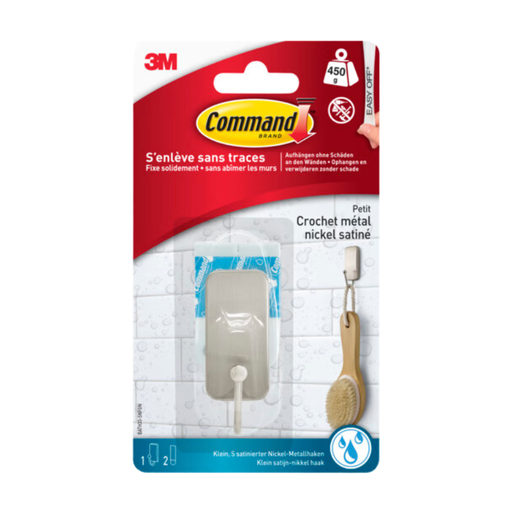
What sets it apart?: This adhesive hook features water-resistant technology, making it the ideal candidate for damp areas like the bathroom, and even directly in the shower.
Pros?:
bathroom hook.Who is it for? For renters (and homeowners!) who want a chic and practical storage solution for the bathroom without picking up a drill.
Is your need more specific? Do you dream of hanging your houseplants to create a living wall without cluttering your shelves? There are solutions for that, too.
Take a look at our selection of window hooks for hanging plants and create a vertical garden bathed in light.
A screw-in hook, when installed correctly (with the right wall anchor), can support very heavy loads, often over 10?kg (22 lbs). It's the champion for winter coats, heavy bags, or tools. In contrast, an adhesive hook is intended for light loads, from a few hundred grams to 2?kg (about 4.4 lbs) on average. It's perfect for a dish towel, a set of keys, or a shower loofah.
Yes, as long as you choose the right mounting method for the surface. Screw-in hooks require anchors suitable for the wall: drywall (like a Molly bolt), hollow brick, concrete, etc. Adhesive hooks, on the other hand, require a perfectly smooth, clean, and non-porous surface (tile, glass, metal, lacquered paint…). Avoid using them on wallpaper, textured plaster, or any rough surface.
For models with a "damage-free" removal tab (like those from the Command brand), the process is a breeze. Simply pull the tab straight down, vertically and parallel to the wall. As it stretches, the adhesive releases cleanly, without leaving residue or tearing the paint. The key is: never pull the tab towards you, but always down along the wall.