
Livraison le jour même ou le lendemain

Qualité garantie

Débloquez vos offres de bienvenue: Livraison GRATUITE | Jusqu'à -80 % | 30 jours d'essai gratuits à JoyPlus
Téléchargez l'application
A peeler that slips on a carrot, a blade that dulls after three uses, or one that takes half your potato with it... Choosing the right tool for peeling vegetables may seem trivial, yet the wrong one can quickly turn kitchen prep into a chore. Faced with a maze of models, materials, and shapes, it's hard to know where to start.
This guide is here to light the way. We've put several models through their paces to select only the most reliable and effective ones. Our goal: to help you find the peeler that perfectly suits your habits, budget, and standards.
Before diving into our selection, let's review the key criteria for making the right choice.
The secret to a great peeler is its blade. Two materials dominate the market:
The tool's shape dictates the motion, and therefore your comfort and speed:
A long peeling session shouldn't feel like a torture test for your hand. An ergonomic handle that fits comfortably in your palm is essential to reduce fatigue. Look for non-slip materials (like silicone or soft-touch plastic) that ensure a secure grip, even with wet hands. It's a detail that makes all the difference!
After our analysis, here are three models that stand out from the crowd, each with its own strengths.
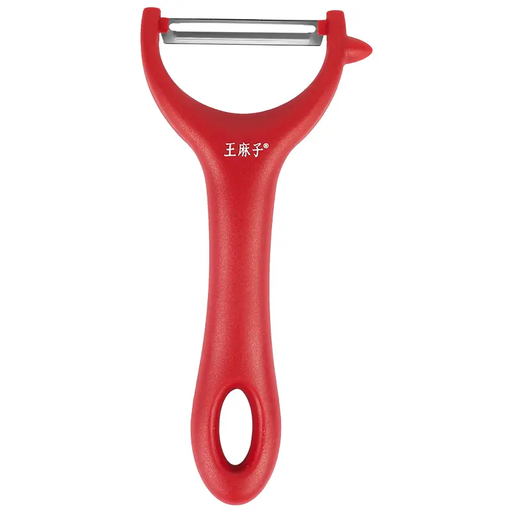
Why it stands out: The WANGMAZI gets straight to the point. It's the ultimate precision tool—simple, incredibly effective, and makes daily peeling effortless.
Key features:
Who is it for? For cooks who appreciate traditional, no-frills tools that simply do their job exceptionally well. The choice for simplicity and performance.
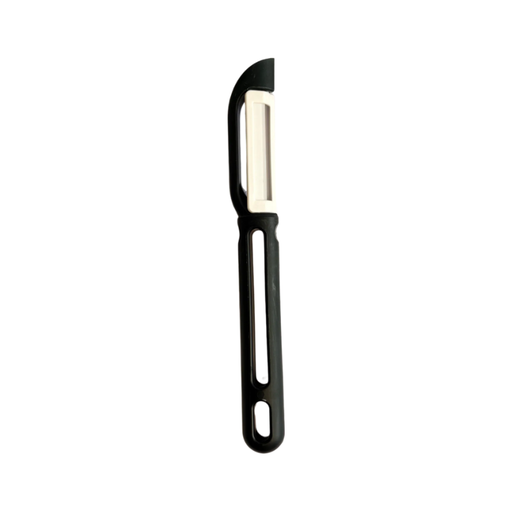
Why it stands out: This ceramic peeler from the French brand Belissam combines a surgical-sharp blade with a handle made from Sulapac, an innovative and more eco-friendly material.
Key features:
Who is it for? For those who demand absolute cutting precision and perfect hygiene. An excellent option for anyone wanting to support a French brand and interested in the materials of the future.
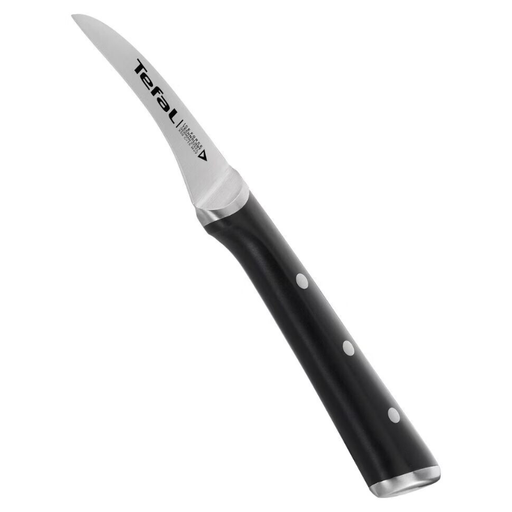
Why it stands out: This Tefal peeling knife bets everything on durability with its Ice Force technology. The promise? A German steel blade that undergoes a -120°C thermal shock to dramatically increase its strength.
Key features:
Who is it for? For those who want to invest in a tool built to last and who trust a major brand. Ideal for anyone seeking a robust, high-performance, and safe peeler with the peace of mind of a long warranty.
Our selection highlights three excellent choices, but the world of kitchen peeling tools is much broader. To discover other materials, shapes, or brands, feel free to browse our complete category.
The term Y-peeler (often called an économe in French) refers to the peeler with a Y-shaped frame and a pivoting blade perpendicular to the handle. It's very popular and highly effective for long vegetables. The straight peeler, sometimes called a swivel peeler, resembles a small knife with a blade aligned with the handle. It's the king of precision for finishing touches or small vegetables.
To preserve the blade's edge, the secret is simple: wash it by hand with soapy water and dry it immediately. Even if a model is listed as dishwasher-safe, hand washing is much less abrasive. Above all, avoid tossing it loose into a drawer or the bottom of the sink, where contact with other cutlery could damage it.
Yes and no. A ceramic peeler often has a stunningly sharp initial edge, ideal for creating extremely thin peels. It's also completely rust-proof and flavour-neutral. On the downside, it's brittle. A good, well-maintained stainless steel peeler will offer excellent durability and be more versatile, especially on very tough skins. It all comes down to your priority: surgical sharpness or rock-solid durability.